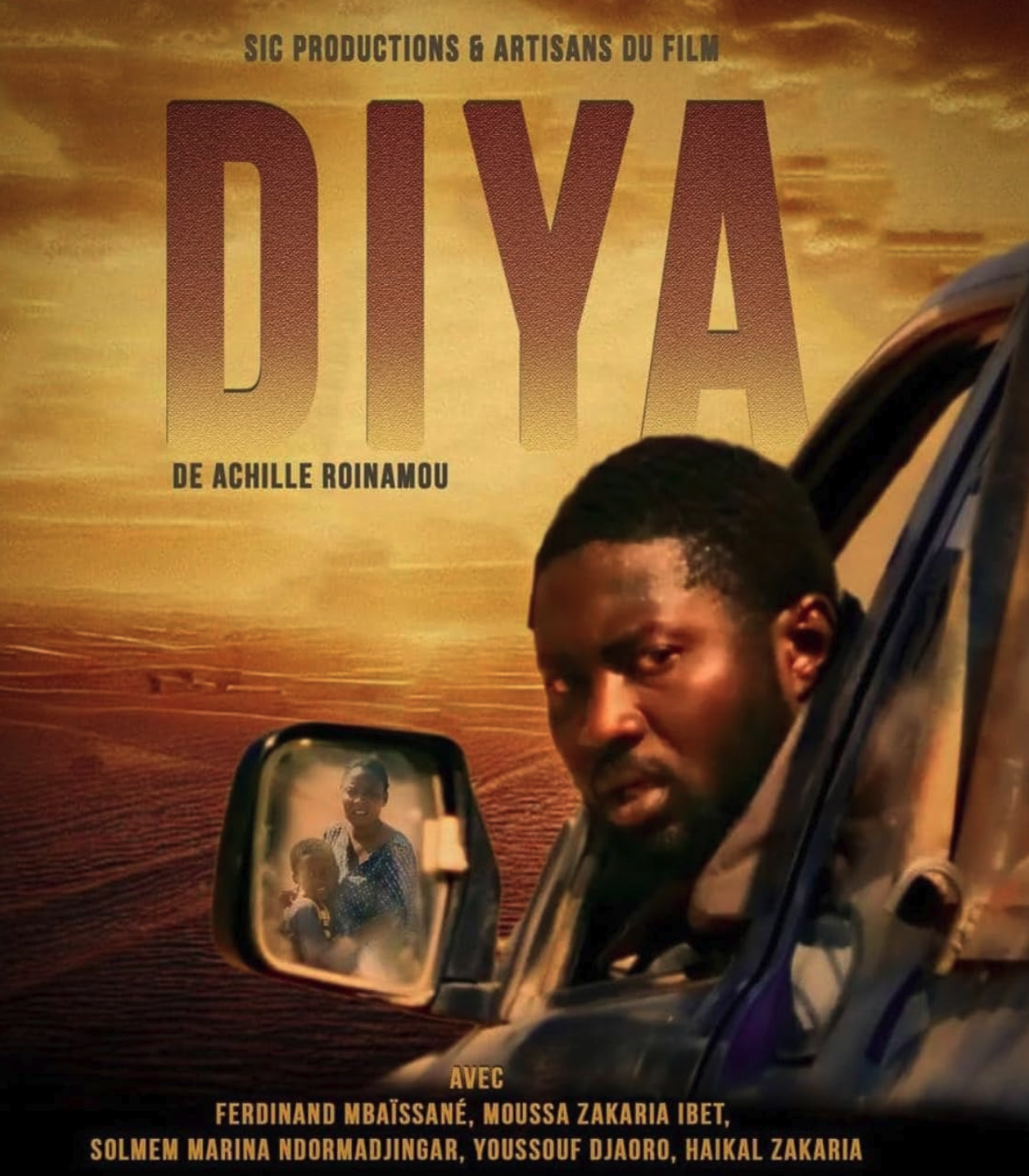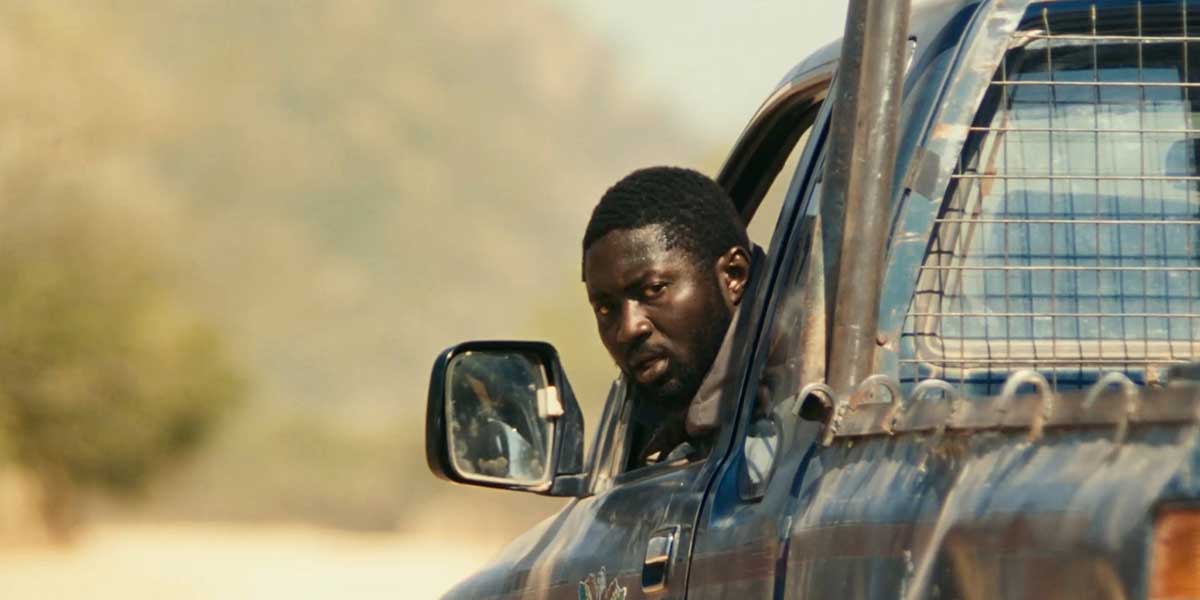
I’ve expressed in other reviews my fascination with how the legal system works outside the United States. Diya is about a few things, particularly forgiveness and community, but it also presents a scenario that focuses on how the rule of law is administered in the African nation of Chad. Whether this fictional story presents an entirely accurate account of how events would play out, I do not know, but whatever the case may be, the scenario only adds to this dramatic thriller focused on one man’s error that forces his life to spiral out of control. The results are engaging, with strong filmmaking to carry it through.
Youssouf Djaoro stars as Dane Francis, a seemingly decent man who works as a driver and is anticipating the birth of his first child with his wife. An unfortunate chance encounter finds Dane accidentally hitting a boy in the street with his company’s van. Dane rushes the boy to the hospital and tries to make things right, but the situation only worsens. Eventually, Dane is arrested, and the court’s sentencing amounts to a substantial fee to pay for the diya, which is essentially a blood debt to help support the family.
See Also: SBIFF 2026 Review: ‘Saipan’ Deftly Delivers Big Game Division
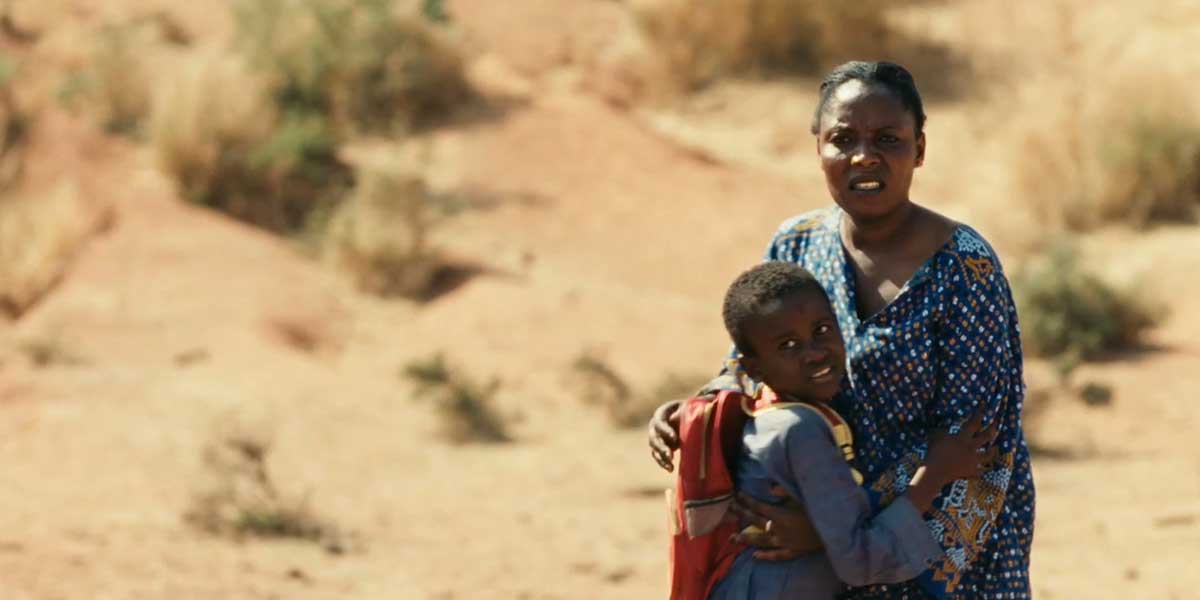
Writer/director Ronaimou Adoumbaye does a fine job of setting up the contemporary locations. As a whole, this film does a great job of putting this part of Africa on display, from the villages to the types of travel to the different homes and outfits that suggest various classes, religions, and other ways of separating families living around one another. There’s also the music, which is effectively used to further bring audiences into a specific culture.
As the plot kicks into gear, I admire just how human it makes the series of events feel. Dane is in the wrong about what happened, but it really amounts to an accident. Emotions are fairly high among those who become involved, and the eventual steps taken by Dane to help resolve his problem are perhaps heightened to an extent, but not outside the realm of possibility when it comes to having one’s back against the wall. If anything, the way this film posits suggestive visions only to double back and offer surprising resolutions speaks to the film’s desire to test audiences on just how grounded they feel this story is.
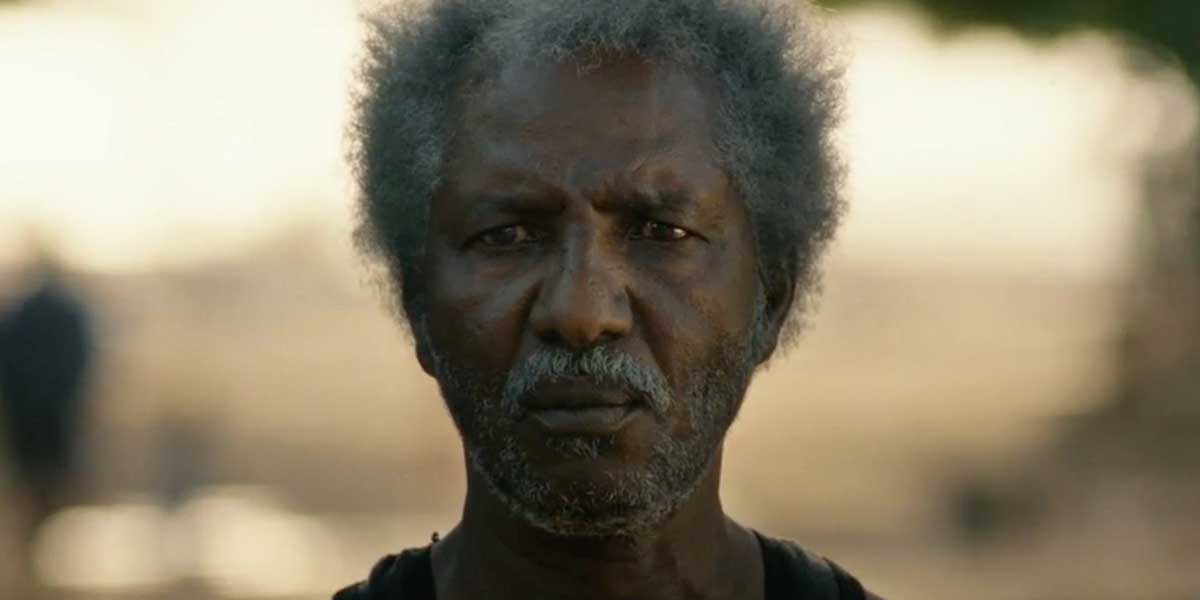
With all of this in mind, perhaps the most fascinating portion of this film has to do with one of the few sequences where Dane is not on screen. Once the fee is established, Dane’s family must figure out how to pay it, and the community gathers to discuss the situation and possibly contribute. Naturally, we want to support Dane, but members of his own community begin to shed some light on who he is. Compared to what we’ve learned in a small amount of time, the film wants us to be aware that others don’t think too highly of him. It’s these added layers that don’t necessarily complicate our feelings for the film’s protagonist but do further inform its themes.
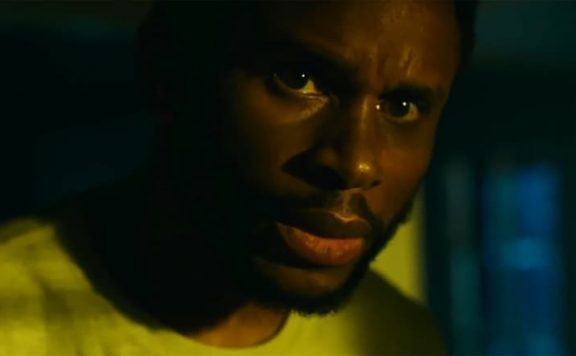
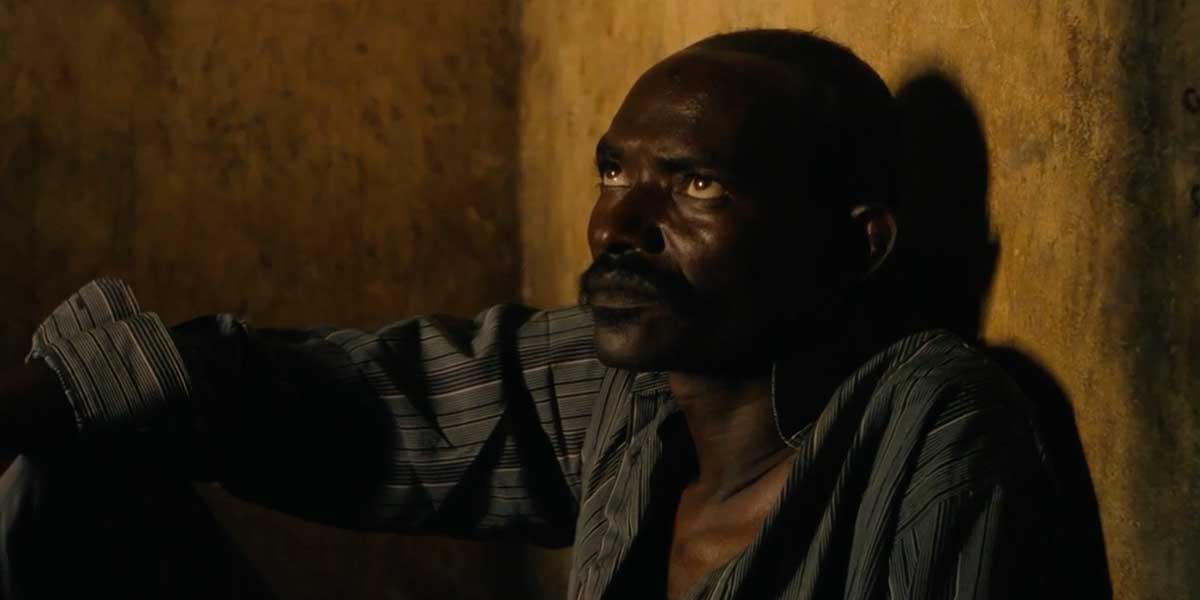
Much of the film finds us watching Dane’s sad eyes speak to where his head is at. He understands a wrong was committed, and that, so far as what was really lost is concerned, money can’t make up for it. Even so, this film balances his actions to make things right, as he wants to find a way to relate to the family, but is also being forced to deliver a large sum of money that will leave him with nothing to support his own family.
In the meantime, we also spend time with Dane’s wife, who wants to help her husband but has to consider the child inside her, the state of their current living situation, and whether going to her wealthier brother will only lead to other problems. I was also quite partial to Dane’s uncle, who seems to know people all over the area and wants to help his nephew out, even when having to contend with those who don’t think as highly of the man.
Without spoiling anything, a criminal element does work its way into the film, though it’s to the credit of the script that it doesn’t lead to anything implausible. There’s perhaps more that we come to understand that relies on an audience accepting that movies need to make big choices in order to get across the more important ideas at play, but at least it allows for a pretty satisfying climax that doesn’t need to overexplain itself.
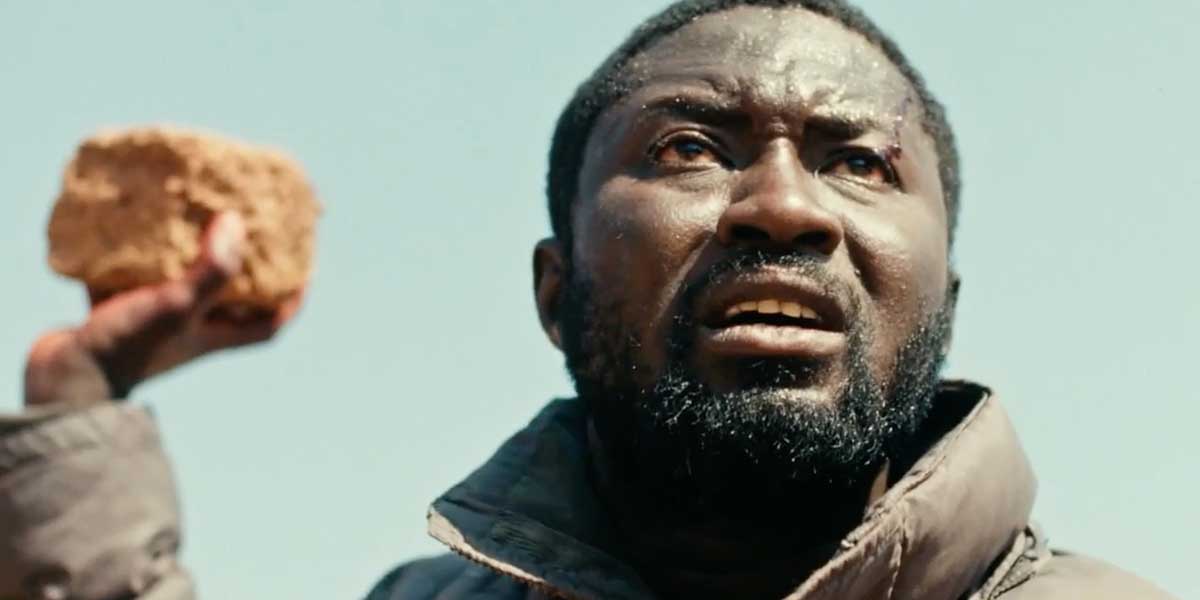
There’s plenty to admire about Diya, as the film turns a sad event into a major ordeal meant to stress viewers out. Solid performances create believable characters to watch, and the locations offer visual appeal in what we see of this nation. At 90 minutes, the film doesn’t waste any time, and even as further depth is added to the proceedings, there’s nothing shortchanged about what it accomplishes. This movie does more than settle its debts; it pays them off with interest.
The 41st Santa Barbara International Film Festival will be taking place from February 4 to February 14, 2026.