Renowned photographer and filmmaker Luke Gilford has skillfully crafted a gorgeous and surprising film out of this acclaimed book National Anthem America’s Queer Rodeo.
A study in photos and essays about the people and culture of rodeos dedicated to the LGBTQ+ community, Gilford’s passion project inspired his first film National Anthem, a story about a young mid-western man named Dylan (Charlie Plummer) who is temporarily hired to work on a ranch made up of queer people. There, he unexpectedly falls for Sky (Eve Lindley), a trans woman in an open relationship with the hunky Pepe (Rene Rosado). The two become close as Dylan opens up to the lifestyle and the personalities surrounding him.
See Also: ‘Ghostlight’ Review: A Meditative Tale of Healing Through Community Theater

At home, things are very different as Dylan deals with his irresponsible, alcoholic, single mother, Fiona (Robyn Lively), and his sweet, impressionable younger brother, Cassidy (Joey DeLeon).
However, navigating his mother and becoming a substitute dad to his brother has driven Dylan to stockpile his money to buy an RV and escape a life he finds himself trapped in.
Drawn to Sky and her community, Dylan spends more and more time on the ranch, becoming comfortable with the gay, trans, and non-binary folx that inhabit it. He attempts drag, explores his sexuality, and ultimately comes to the understanding that there is more out there than his tiny existence has allowed for.
What’s so special about Gilford’s film (written by David Largman Murray) is that the script avoids many of the expected conflicts that saturate most LGBTQ+-themed films. Sure, when the ranch group heads to a local “Target”-style store, the more flamboyant of the crew get a few side-eyes. But there is no bullying or acts of homophobic violence inserted into the story. When one character does have an issue with some gender-bending that they witness, they quickly change their tune, avoiding a third-act lengthy confrontation that we’ve seen a hundred times before.
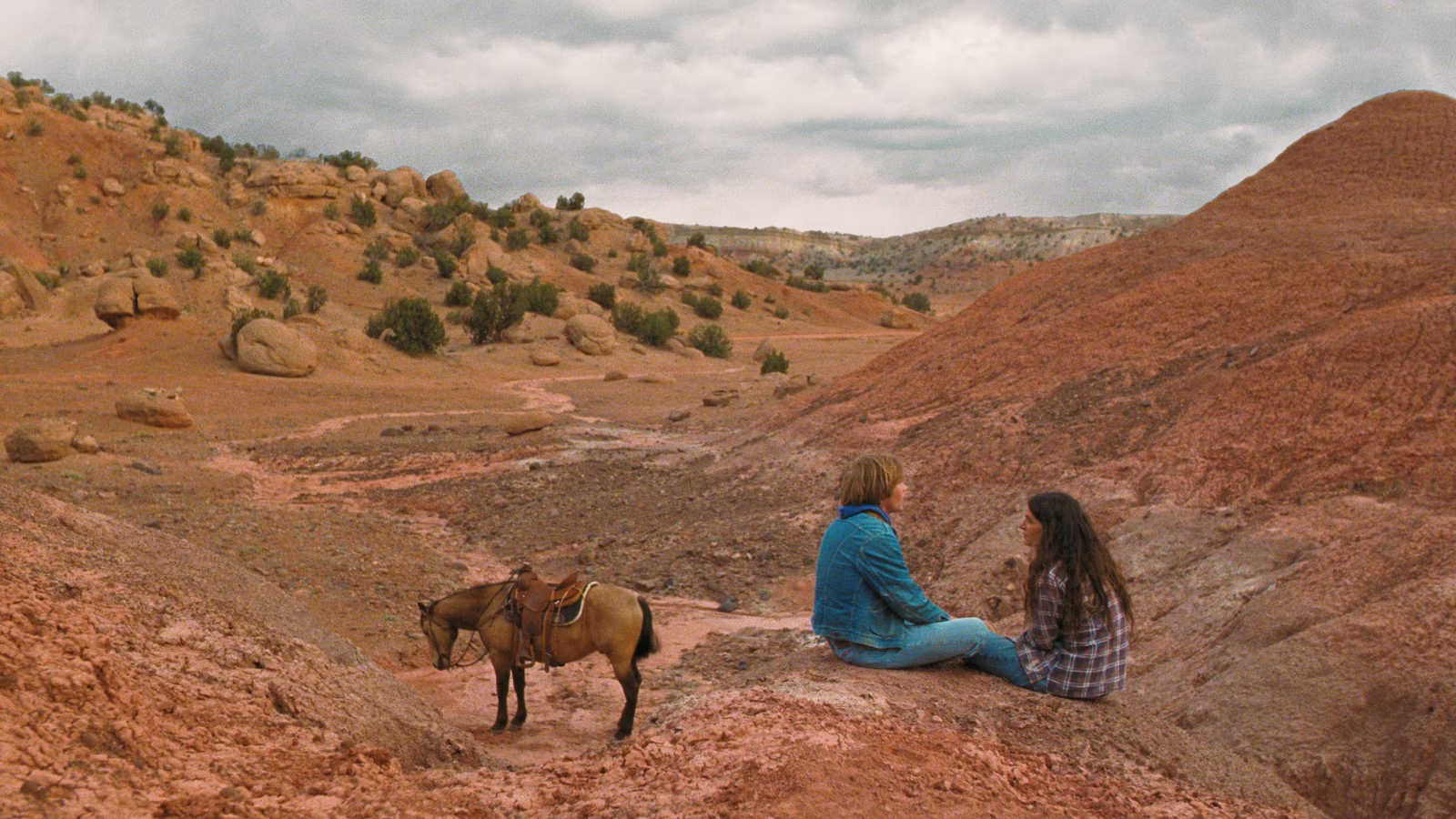
Instead, Gilford tenderly explores a group of people living and loving together. It’s the story of a 21-year-old man coming into his own in a place that can seem unforgiving. But it also shows that LGBTQ+ people exist everywhere—not just in a big city that will accept them. They exist in small towns and spaces that are usually hetero-dominated but can still live and thrive there.
Plummer (Looking for Alaska) is excellent here. He often shows us his journey only through his silent reactions to the world around him. You can feel his nervousness and shame at the feelings bubbling up inside him, but you also feel the faint relief when he is finally able to be himself. This is his movie, and he carries it superbly.
Eve Lindley also offers a quiet and meditative turn as Sky, a trans-woman exploring her own feelings and choices while offering unwavering love and support to a boy who didn’t know he needed it.
Robyn Lively is a surprise here, playing a different kind of character for her and making Fiona lived-in and complicated. She’s another who says a lot with just her eyes and another example of a character that could have easily been a one-note cliché. Instead, she genuinely surprises us with her honesty.
Mason Alexander Park (Sandman) also does great work as Carrie, the ranch’s non-binary “mother hen,” who offers pointed but empathic advice to Dylan in the introspective scenes they have together.
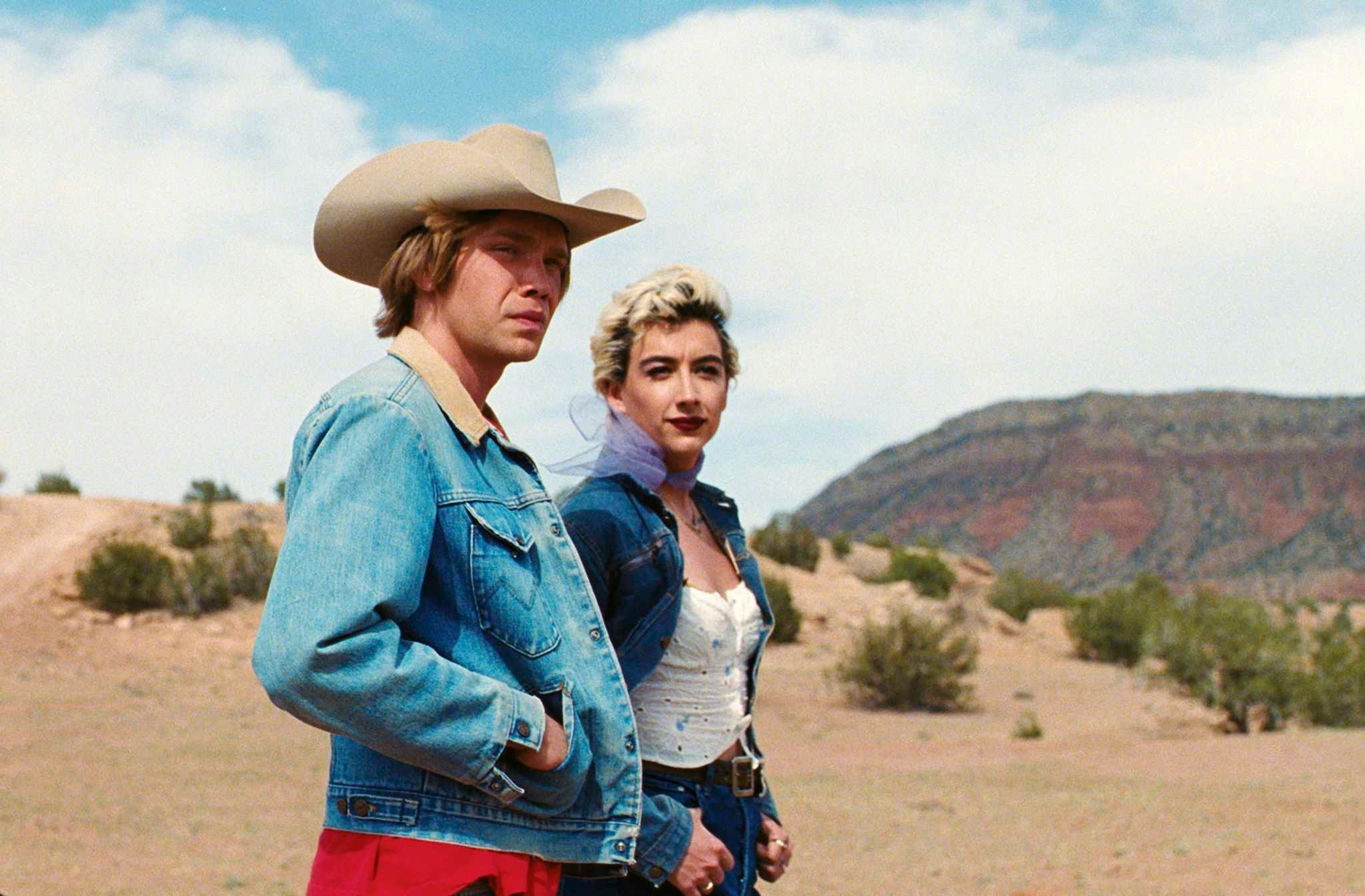
Credit must be given to cinematographer Katelin Arizmendi, who shoots the film like stunning photographs come to life. At the same time, the style isn’t a distraction and instead adds grandiosity and intimacy to Gilford’s story.
Nick Urata’s score is a lush landscape of notes that give weight to the film and elevates it in a way that evokes beautiful importance to the stories we are watching unfold.
National Anthem is a tender exploration of what it means to leave the confines of the life you’ve always known, and meeting the life you have always needed to live. Gilford’s film is a revelatory addition to queer stories and one that uplifts with a combination of both hope and awe. It’s one of the best and most important films of the year.
National Anthem opens in limited release on July 12, 2024, and will expand nationwide on July 19.