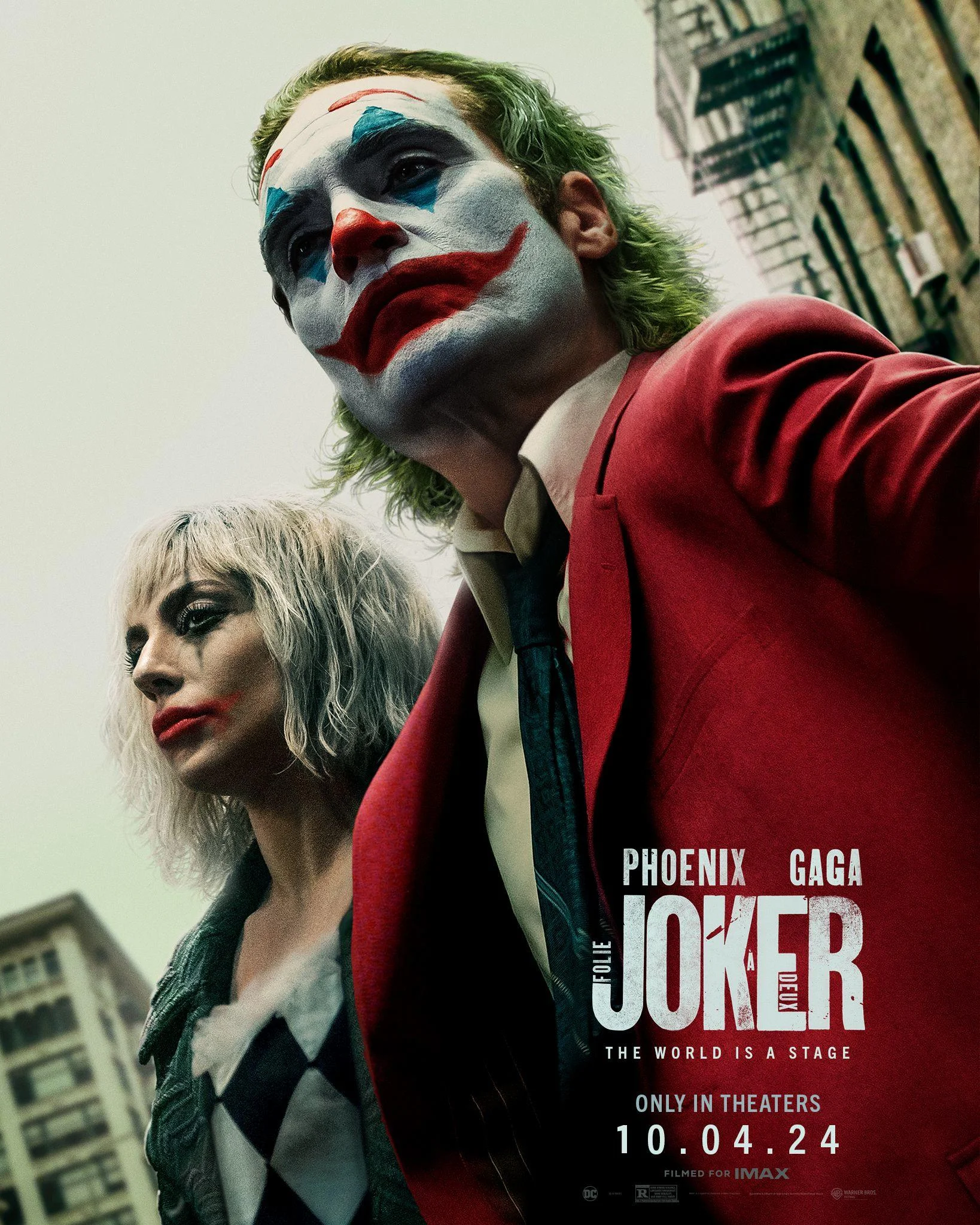
In 2019, Todd Phillips’ Joker premiered at the Venice Film Festival. The film took home the Golden Lion while becoming one of the year’s most discussed films. Even though Joker was polarizing amongst critics, the general public loved the film. In fact, Joker became the first R-rated film to ever gross over a billion dollars at the box office. It also received 11 Oscar nominations, including Best Picture and Best Actor, the latter of which it won.
As someone who has watched all of the films in Todd Phillips’ filmography, I was truly in awe that he created something as dark and disturbing as Joker. When I first saw Joker at the Toronto International Film Festival, I was speechless afterward, so much so that I ended up seeing the film for a second time within 24 hours. I don’t think there is another film in recent memory that I have watched twice within a 24-hour period, nor have I ever watched a movie twice at a film festival.
See Also: Venezia 81 Review: ‘Maria’ Is A Career Best For Angelina Jolie
The reason why I am telling you this is to give you a better understanding of how high my expectations were going into Joker: Folie à Deux. If it wasn’t for Beetlejuice Beetlejuice, the sequel to one of my top five favorite films of all time, coming out this year, Joker: Folie à Deux would have been my most anticipated film of 2024.
Like the original, Joker: Folie à Deux premiered in competition at the Venice Film Festival. This sequel, which takes place two years after the events of the original, is bolder, darker, and surprisingly even more ambitious. I guarantee that this film will, once again, become one of the most talked about films of the year. Joker: Folie à Deux is a rare studio film that demands to be analyzed, studied, and discussed. It will require repeat viewings in order to take everything in and process it fully. Don’t be surprised when you see dozens, if not hundreds, of YouTube and TikTok videos pop up over the next few months with theories about the film and what happened in it.
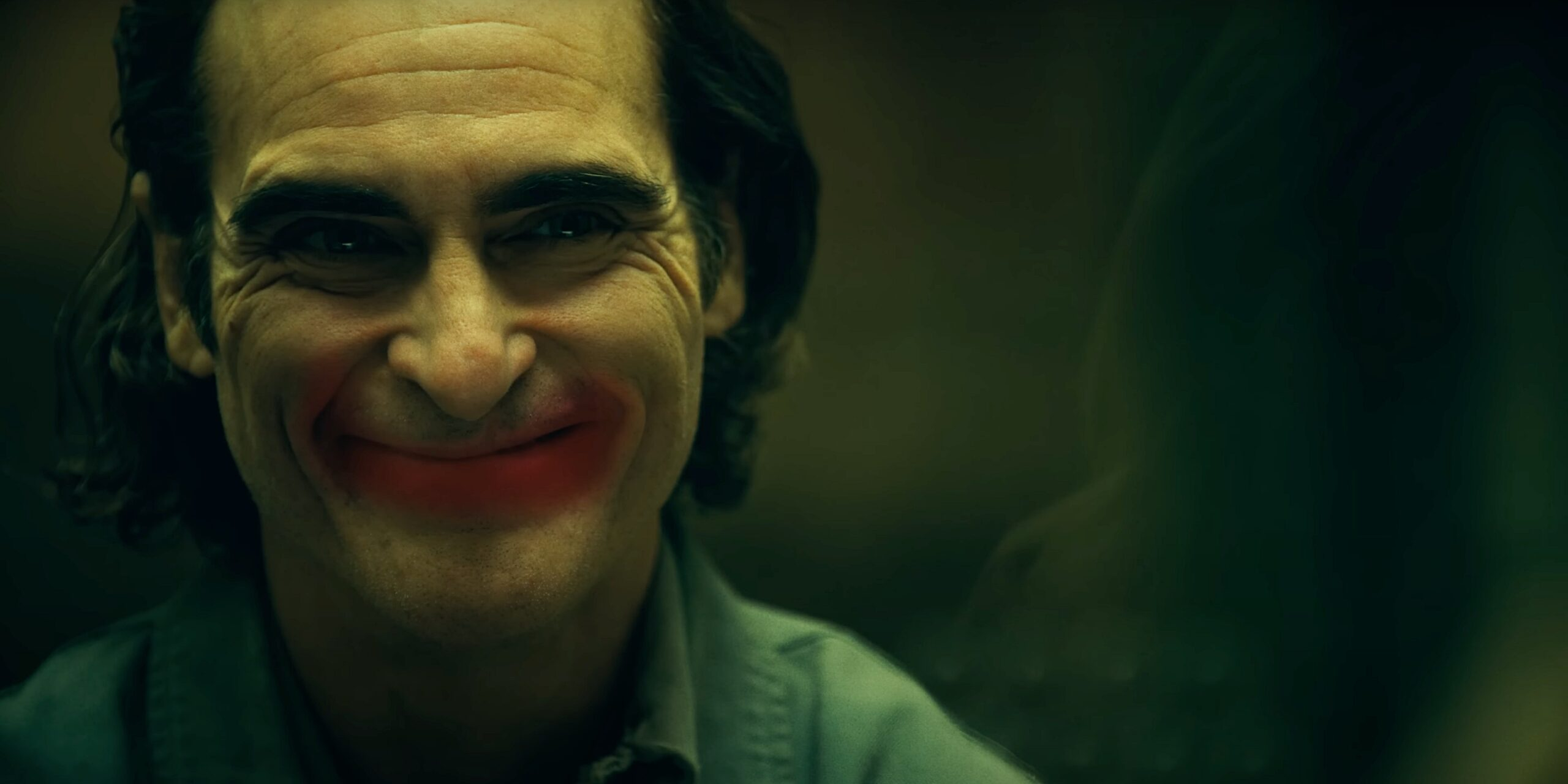
While being based on well-known characters and IP, Joker and Joker: Folie à Deux are films that aren’t afraid to challenge the viewer. What is truly remarkable about what writers Scott Silver and Phillips have done with these films is that they took a genre that most would consider “popcorn entertainment” and turned them into these deeply nuanced explorations of humanity, mental health, and the failures of people in power. Silver and Phillips continue to take some big swings, and they really pay off here.
The story of Arthur Fleck, on the surface, may seem relatively straightforward, but when dissected is a total mindfuck. The majority of the film plays around with the concept of what is real vs. what is fantasy. This was one of my favorite aspects of the original movie, and Silver and Phillips doubled down on that this time around. The film is purposely designed to mess with your head and make the viewer feel like they are living in the unbalanced world in which Arthur resides.
It should also be noted that Joker: Folie à Deux is very different from Joker regarding violence. The first film was very violent, with several disturbing scenes involving Joker murdering others. This is entirely absent from the sequel. Instead, the film focuses on Joker’s impact on society. Joker has a lot of followers and supporters. Those who love the “idea” of what “Joker” ultimately stands for. This all ties into the whole “what is real vs. what is fantasy” aspect of the story. A good chunk of the film feels disturbingly relevant today, especially with social media celebrities and the rise of influencers. I think this film, similar to the first one, holds up a mirror to our society and asks the audience uncomfortable questions about how we view and treat others.
Another aspect that I greatly appreciate about the film is the continued exploration of mental health. Without giving too much away, the plot is centered around Arthur being on trial as a result of his actions in the first film. Several scenes analyze whether or not Arthur actually has a mental illness or is simply faking it. The film also explores the idea of what it is like to be human and how one must act and behave in order to be accepted by society.
Mental Illness is a subject matter that I sadly know a lot about and, despite what some may suggest, is not a black-or-white issue. One of my favorite scenes is the one where Arthur’s lawyer, Maryanne Stewart (Catherine Keener), is questioning a doctor on the stand. The doctor, who has admittedly only met with Arthur once and for a total of 89 minutes, claims that he is confident that Arthur does not have a mental illness.
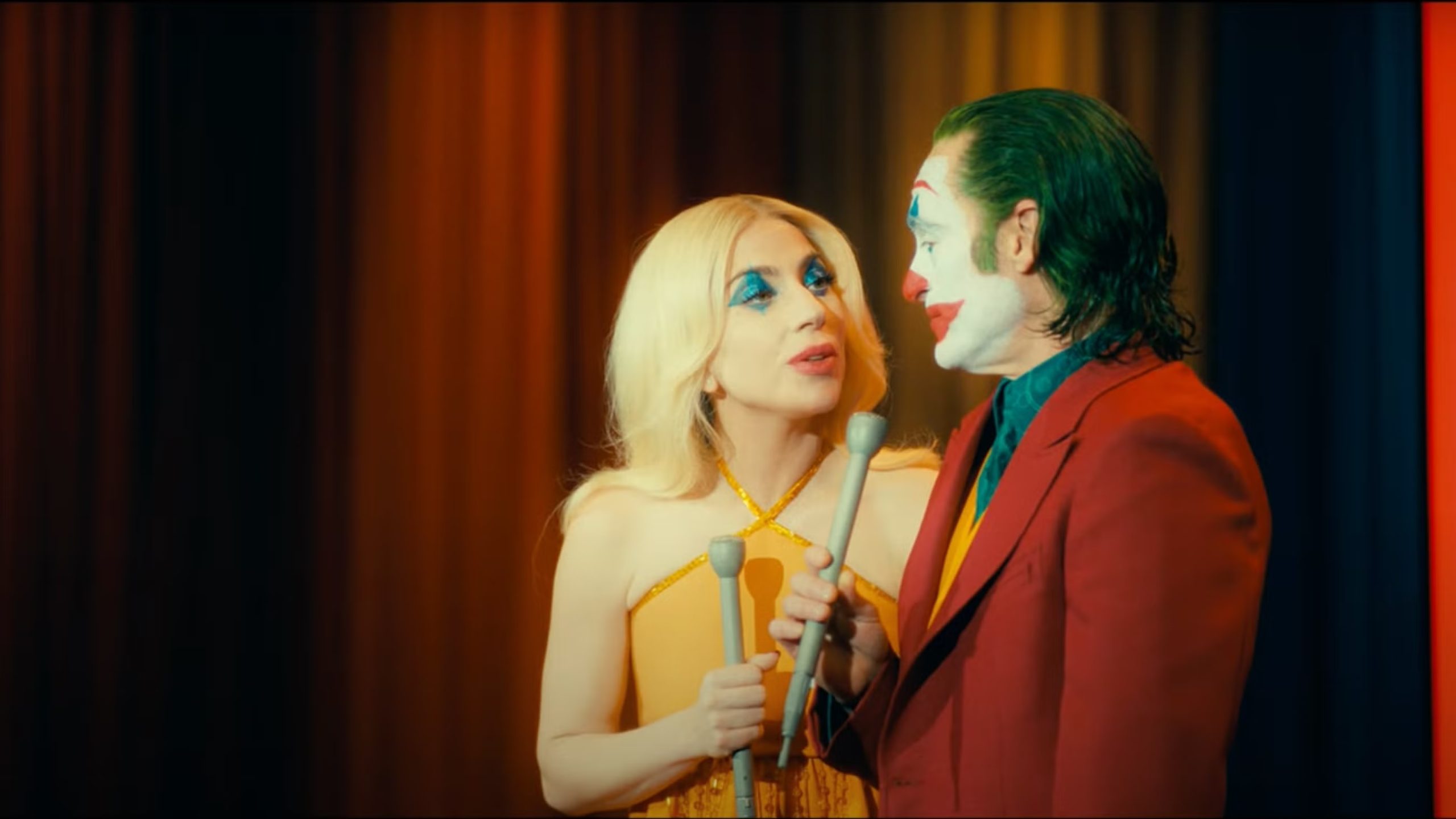
The musical numbers, which are largely performed by Phoenix and Gaga, are brilliantly executed. Similar to how Phillips pays homage to several iconic films in the original, the musical sequences feel like demented tributes to Broadway and classic TV shows and movie musicals. There are quite a few musical sequences, but I wouldn’t say the film ever feels like a traditional musical. Joker: Folie à Deux is this unique hybrid where the musical moments are a reflection of their fantasies while also expressing how the characters are feeling at the time.
The performances by Joaquin Phoenix and Lady Gaga are two of the best performances that you will see all year. I wouldn’t be surprised if you see them receive Best Actor and Best Supporting Actress nominations. The two create this fascinating on-screen dynamic, and how they uniquely shape their characters reminds me of something you would see in a Tony Award-winning Broadway play.
As someone who was utterly floored by Phoenix’s performance in the original, I am surprised to say that his performance in Joker: Folie à Deux is even more captivating to watch this time around. As the exploration of Arthur Fleck continues, Phoenix seems even more committed to the material, and his portrayal of Arthur continues to be deeply nuanced and multifaceted.
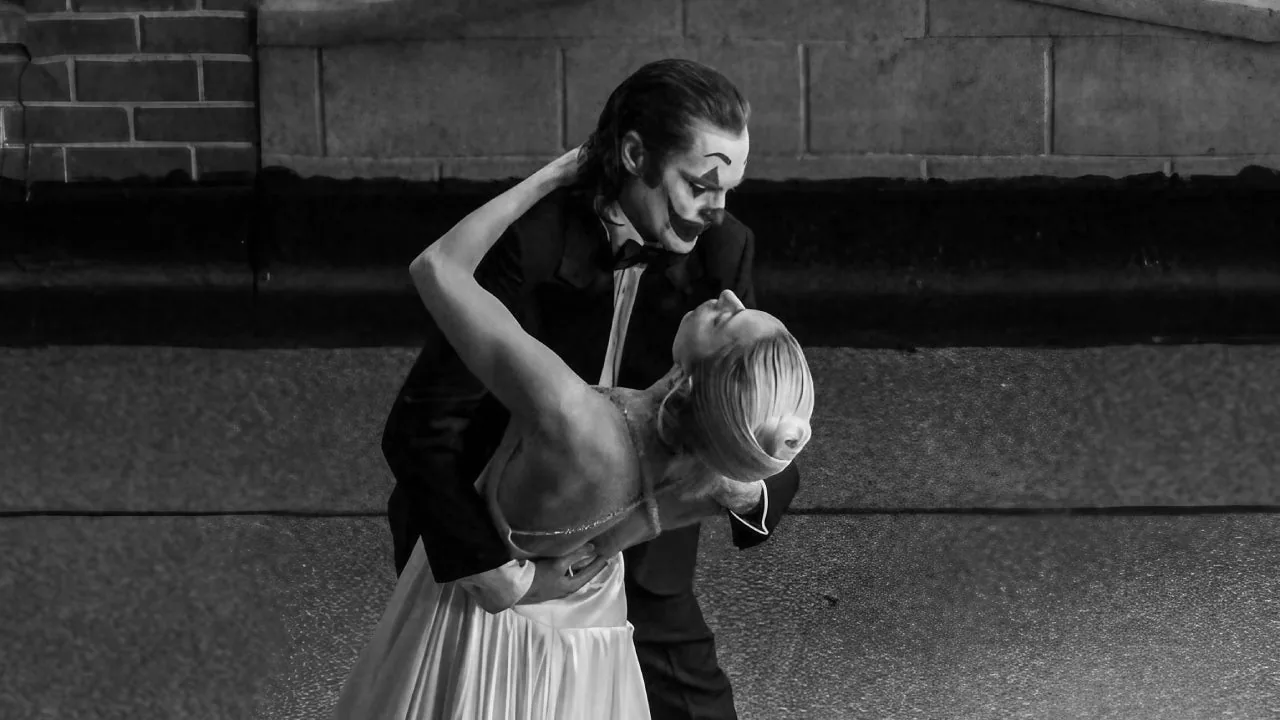
Lady Gaga’s performance as Harley Quinn rivals her performance in A Star is Born. While I adored Gaga’s work in A Star is Born, what she does with the role of Harley Quinn challenges her as a performer and is a next-level performance. Similar to Phoenix as Arthur, you don’t really know what is going on with Harley pretty much right from the start. Gaga adds another layer to the film’s mental health subplot as it is never clear whether Harley’s actions are genuine or if she is unhinged and playing out her own fantasy with Joker.
The supporting cast, which includes Brendan Gleeson, Zazie Beetz, Leigh Gill, Catherine Keener, and Steve Coogan, all deserve to be acknowledged for their incredible work in the film. These actors may not have had as much screen time as Phoenix and Gaga, but they are all equally terrific and get at least one if not two, big moments to shine in the film.
I would be remiss if I didn’t give a massive shout-out to all of the remarkable below-the-line artists who brought the wild and demented world of Arthur and Harley to life. Everything from the dazzling cinematography to the impressive costumes to the haunting score perfectly builds and shapes this world that Phillips and company wanted to create. I wouldn’t be surprised if this film wracks up just as many Oscar nominations as the first film.
While there is no doubt in my mind that the film will be just as divisive, if not more so, than the first, I believe it reflects what great filmmaking and storytelling are all about. Films should be subjective and generate a conversation that continues long after the credits roll. This is why I believe that Joker: Folie à Deux is a bold, daring, and mesmerizing masterpiece. It’s a film that is sure to spark months of online chatter and debate. Joker: Folie à Deux is the best film of 2024.