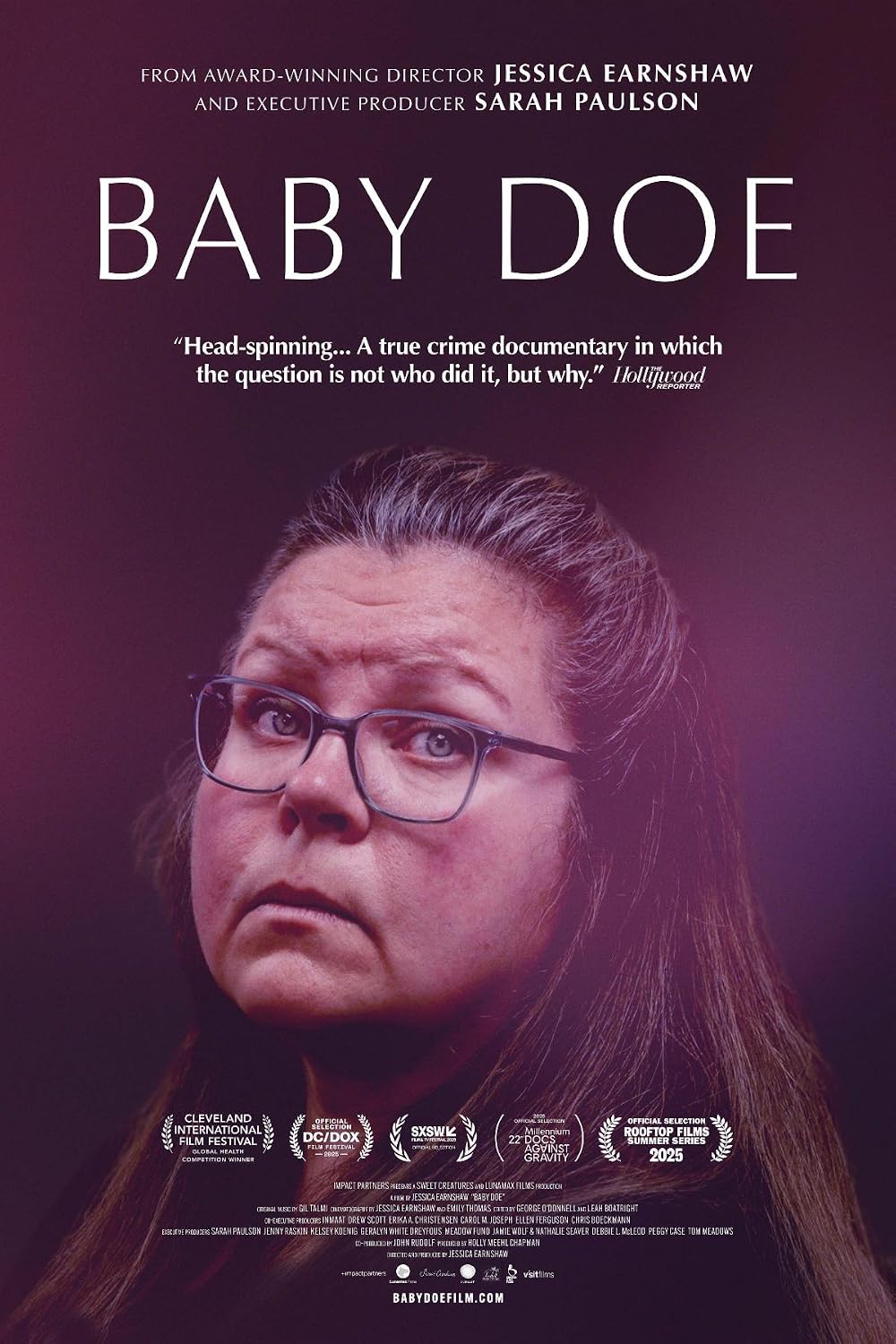
The new documentary Baby Doe is a fascinating look at a true crime case that ultimately asks more questions than it can answer – which is precisely the point. This is one of those rare stories where your allegiance constantly shifts. You find yourself wanting to understand the film’s remarkably likable central figure, Gail Ritchey, while never being able to escape the fact that she may have killed her newborn child. Then comes another revelation that completely reshapes how you feel about her.
Baby Doe tells the true story of Ritchey, an Ohio woman whose life is turned upside down when advances in DNA technology connect her to the decades-old cold case of “Geauga’s Child,” an infant found dead in the woods in 1993. Ritchey insists the baby was stillborn and that she had been in a state of pregnancy denial, but she soon finds herself facing a murder charge decades after the fact. As the documentary unfolds, it explores the psychological, religious, and societal pressures surrounding the case, inviting us to consider how shame, repression, and the culture of the 1980s may have influenced the unimaginable choices Ritchey made.
See Also: Dances With Films 2026: ‘Angeleno’ – Brings Life to Its City & Characters
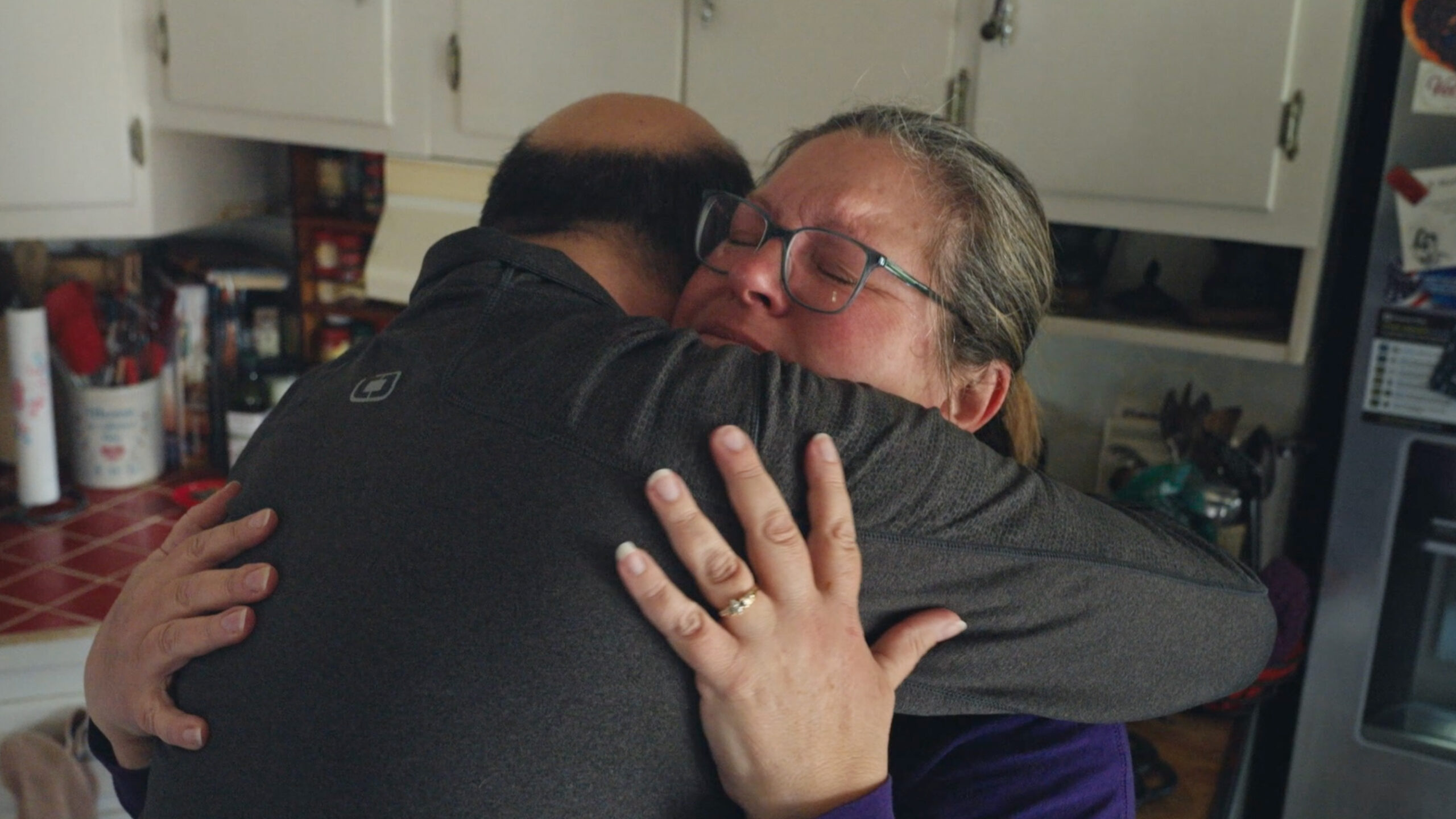
Sexual repression and religious shame loom over nearly every aspect of the story, making it surprisingly easy to understand how someone could find themselves in an impossible situation, even if you can’t fully excuse what may have happened. That’s what makes the documentary so compelling. It never asks you to forgive Ritchey, but it continually asks you to understand her.
Director Jessica Earnshaw keeps the filmmaking refreshingly straightforward. No flashy recreations or stylistic flourishes are competing for your attention. Instead, the film relies on interviews with lawyers, family members, and friends as it follows Ritchey through the legal process, allowing the audience to wrestle with the facts on their own. While I don’t necessarily think this is a documentary that demands a theatrical experience, it should find a very receptive audience once it reaches a streaming platform like Hulu or Netflix.
I left the film a little heartbroken, but more importantly, uncertain about exactly how I felt. That is a fascinating place to be after watching a documentary. Earnshaw never tells us what to think or which side deserves our sympathy. She simply presents the people, the evidence, and the circumstances, trusting the audience to arrive at their own conclusions. Baby Doe may not be one of those documentaries that leaves you sitting open-mouthed in disbelief. Still, it will make you question, reflect, and wrestle with difficult emotions long after it’s over, and that’s exactly what good documentaries should do.
Baby Doe opens in select theaters on July 10, 2026.
Learn more about the film at BabyDoeFilm.com.