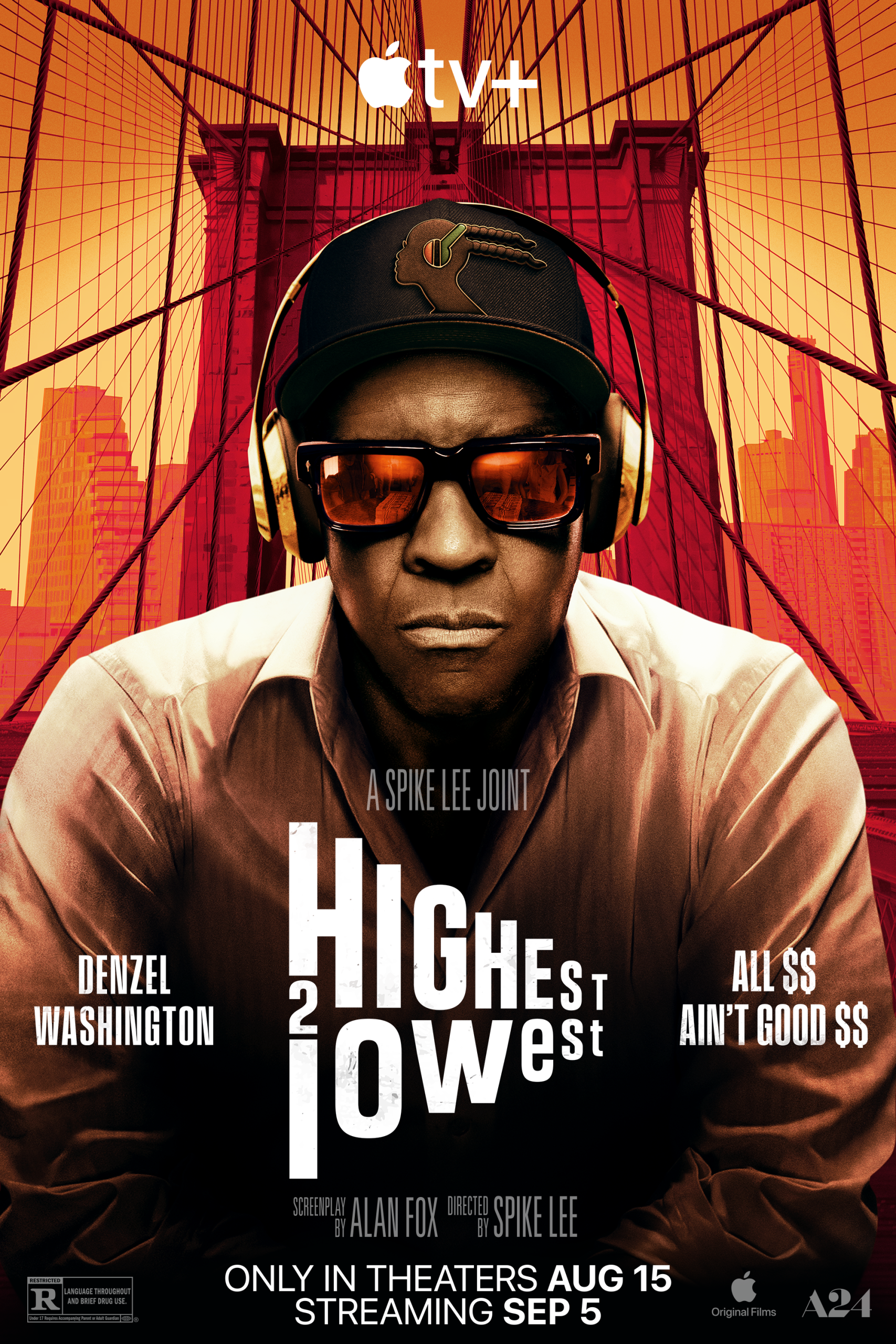
It’s wild to me that a collaboration as strong as Spike Lee and Denzel Washington is no longer a big enough guarantee to warrant a more notable theatrical release. Highest 2 Lowest is a crime thriller no less. The last time these two Oscar-winning filmmaker friends collaborated, it was for another crime thriller, Inside Man, by far Lee’s biggest box office hit as a director. What once may have been a certainty now feels like more of a risk, enjoyable as this one may be. This may not matter much to Apple, which has contributed significantly to funding this New York-set remake of an Akira Kurosawa classic, adapted from an Evan Hunter novel. It may not even matter much to the audience that sees the film. However, it’s a worthy point to be made, given what Lee appears to be aiming for as a filmmaker in his fifth decade of doing the work and finding new territory to explore regarding his own relevancy, let alone where value truly lies.
Washington stars as David King, a major music mogul, dubbed as having the “best ears in the business.” When his son, Trey (Aubrey Joseph), is targeted for a kidnapping plot, it sets the gears in motion for a series of events that build to a life-or-death moral dilemma. Can King convince himself that even when circumstances change, it’s important to realize what it comes down to when trying to do the right thing?
See Also: ‘Weapons’ Review: The Youth Who Could Not Shiver and Shake
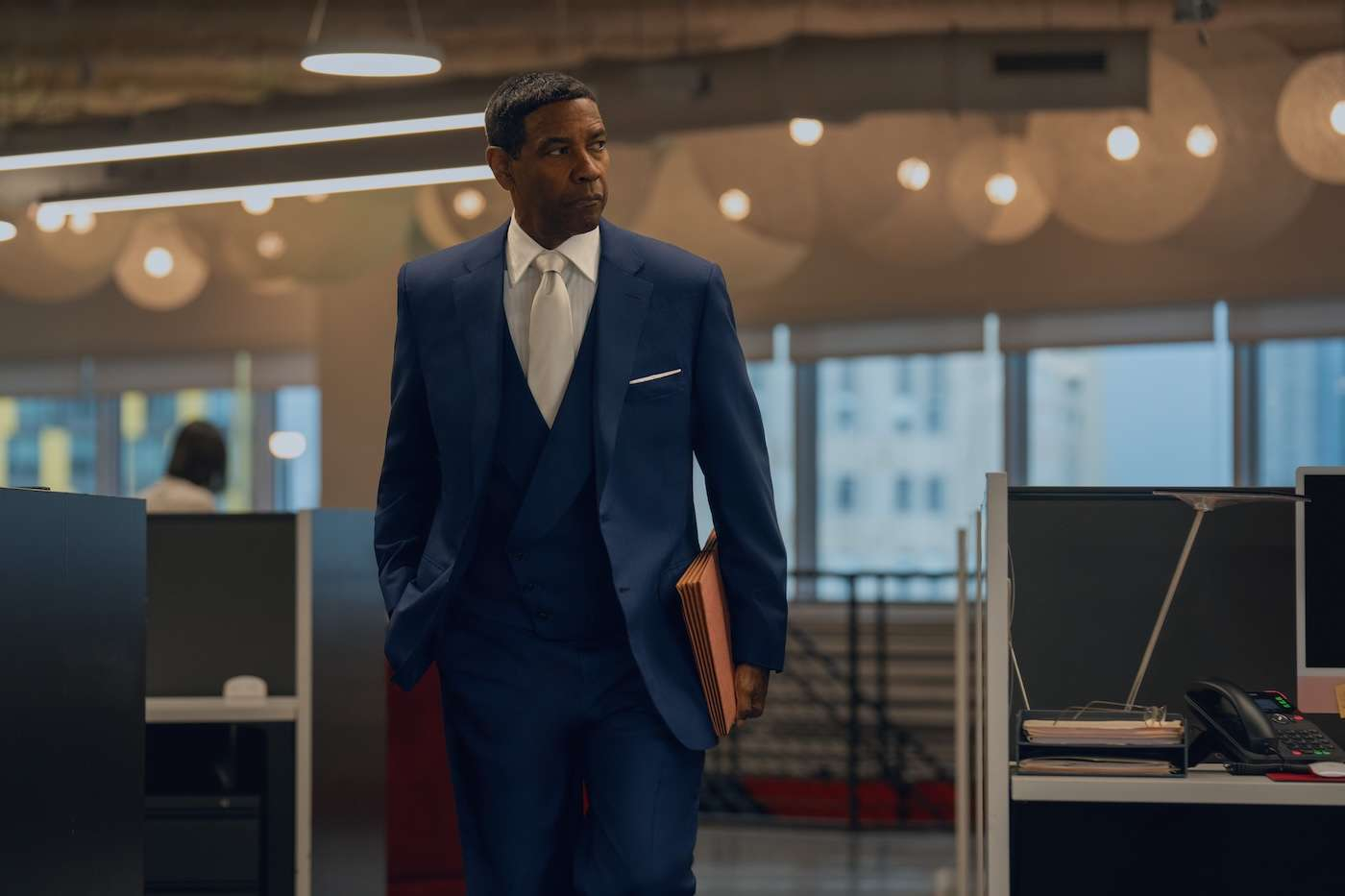
Perhaps it’s best not to get into too many specifics, as the twists and turns in this story are notable, even when considering how soon we learn of new developments that present a new angle on the events. It is important to note some of the supporting players, which include Jeffrey Wright as Paul Christopher, David’s driver. Their sons are best friends, which has allowed for a strong bond. We also have one of Lee’s regulars, Ilfenesh Hadera, as David’s wife Pam, who is more than willing to have a role in her husband’s music-related dealings. And lastly, an impressive A$AP Rocky play Yung Felony, a rapper with plenty of admiration for the David King legacy.
Compared to Kurosawa’s High and Low, which is more fixated on class divide and exploring the culture of early 1960s Japan, Lee decides to look in other directions. By default, having Washington play a man named David King, who wears flashy jewelry and sports both a golden iPhone and gold Beats headphones, means we’ll have at least some reckoning that involves taking a shot at the top of the mountain. However, so much of Highest 2 Lowest ends up hammering home more ideas concerning whether David is still with it. Can this man follow the trends of 2025 and figure out ways for his company to thrive in an atmosphere that is more concerned with attention than dollars?
Fittingly, this is a throughline that speaks to how Washington is going to play it. Still, the 135-minute feature makes room for minor episodes of race-based aggression, what it means to build a life, and, of course, what a wild and multicultural world there is to see in New York City. Lee takes us all the way from Brooklyn to the “Boogie Down Bronx,” and finds plenty of ways to make that exciting, whether it’s having the point of view of David’s fancy Rolls-Royce as it makes its way through the city, or watching a chase sequence matched up to the sounds of a Puerto Rican heritage parade.
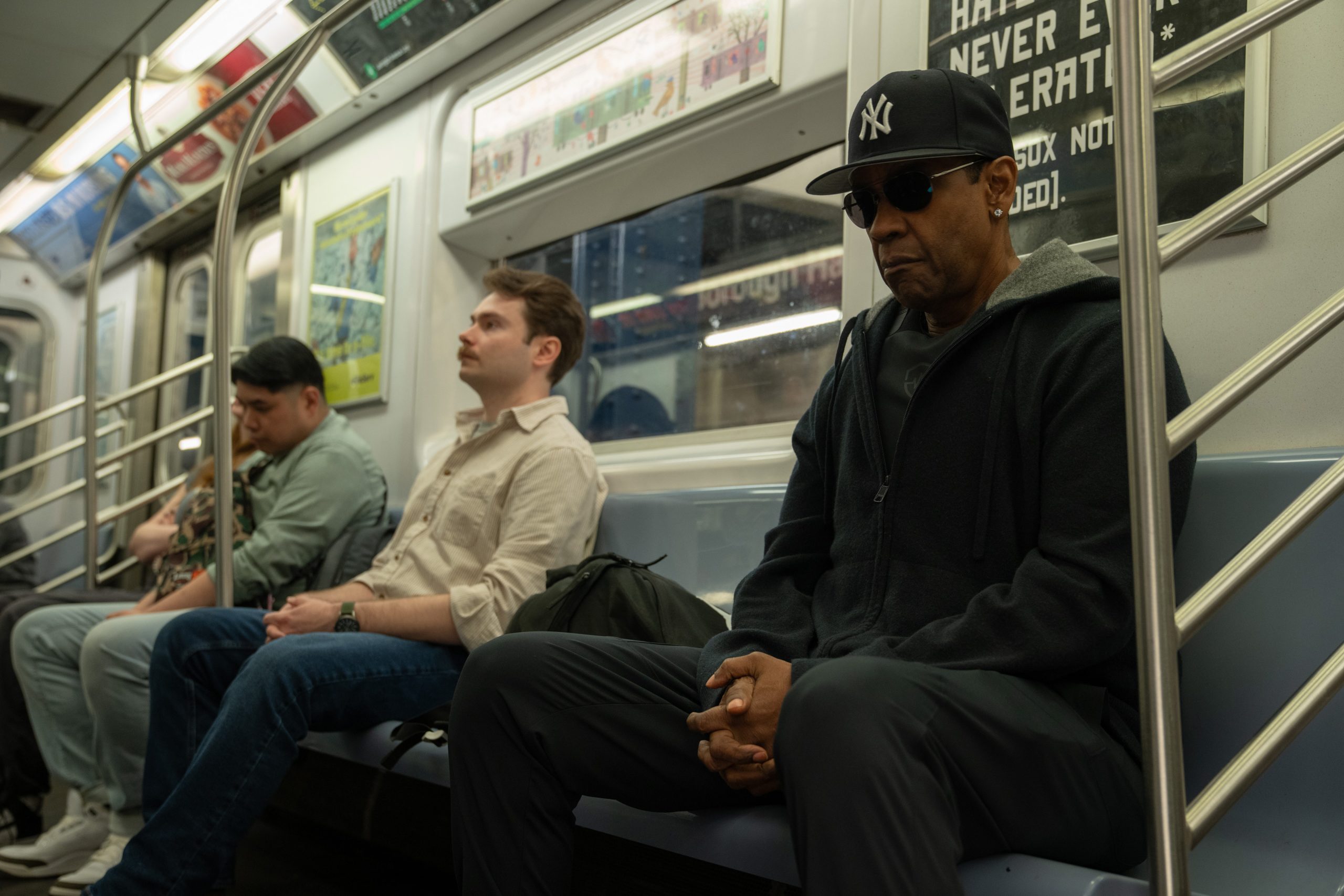
Unsurprisingly for a Spike Lee joint, this is a busy film, floating around a variety of ideas, pastiches, characters, and plotlines. That said, as much as he knows how to keep things moving, especially once the kidnapping plot gets underway, I was impressed with how patient the film is. Highest 2 Lowest is not an out-and-out action thriller, but it does dabble in genre filmmaking. And yet, there’s a certain level of calmness that may come from a director working with his most successful on-screen collaborator (for the fifth time), which speaks to where they both are in life.
For his part, Washington holds onto a lot of control here. That’s not seemingly new for someone of this actor’s stature, but given the seriousness of the story, I could really appreciate seeing him in the role of a powerful individual who is also not choosing to step down on anyone. He hardly swears, never ramps up his speech patterns, and seems to consider everything he hears before weighing in dramatically. While it’s not exactly watching Washington unlock a new part of his bag of tricks, he’s as good as always in how he delivers on his cool demeanor.
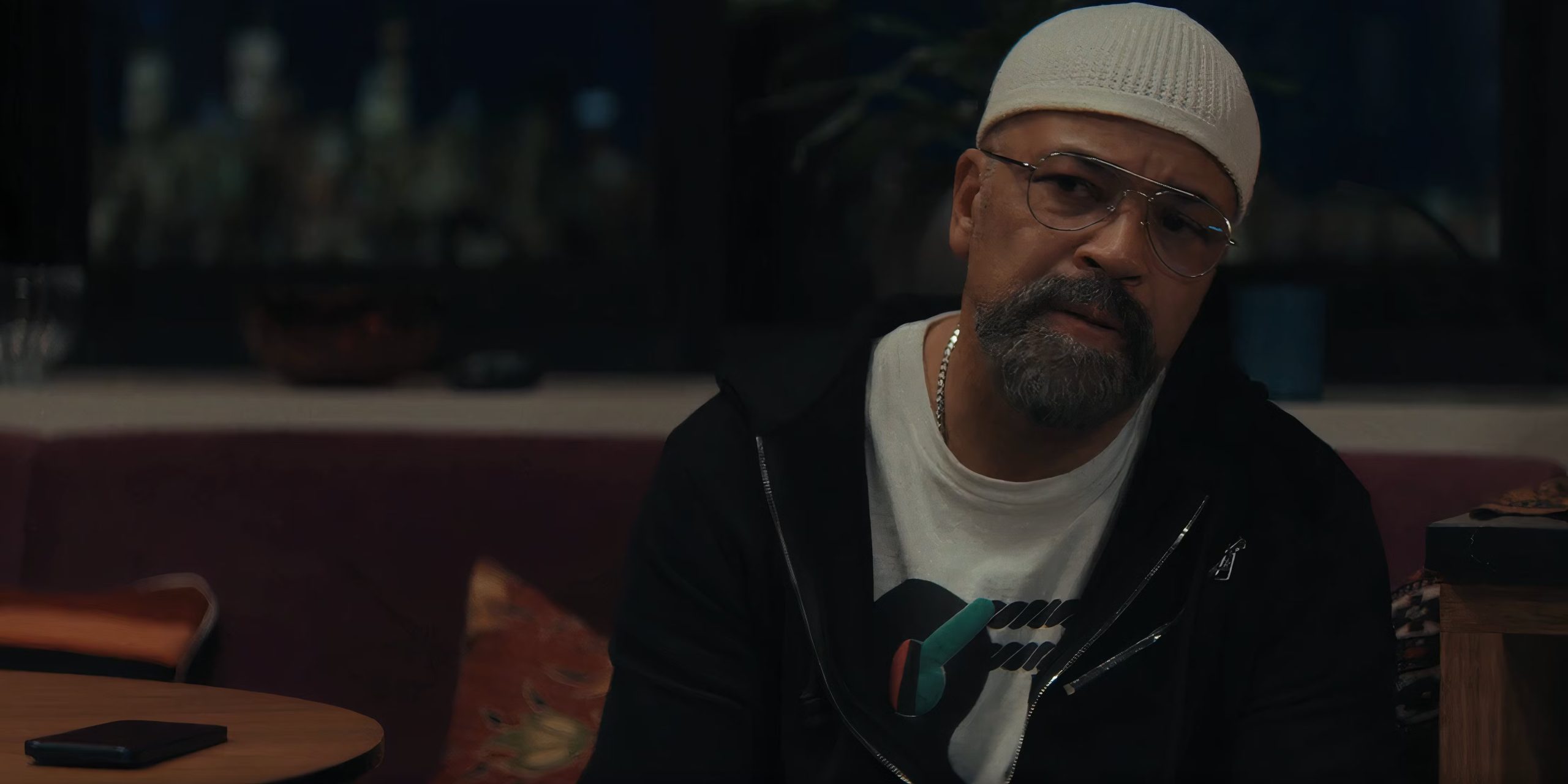
Somehow, this is the first Spike Lee feature to involve Jeffrey Wright (and only the second time he and Washington have worked together), but his own sense of world-weariness, combined with a specific kind of vulnerability, plays incredibly well here. We learn some minor details about where Wright’s Paul has come from, and the actual performance does so much more heavy-lifting. Desperation and pride are bouncing off each other as Paul must contend with those unwilling to listen or give him the benefit of the doubt. And then there’s just the pure comedic gold that comes from actors knowing how to show off their evident chemistry.
Bringing this back to Lee, it’s about having the confidence to let a few characters drive this story forward, which means his more aggressive stylistic instincts can be put on hold (though don’t expect a lack of at least some NY satire). Instead, we have many scenes that just let dialogue, songs, or a character’s thought process fill up the screen. A terrific score by Howard Drossin (truly showing off what he learned from Lee’s former mainstay, Terence Blanchard) does well to punctuate as needed, but not drown out anything. With that sort of backing, we’re able to watch Lee provide his own perspective on the demands of today’s celebrity culture when it comes to social clout, the dangers of being cancelled, and the gain of having the internet’s attention. With that in mind, Lee also manages to delve into this arena without a reliance on hacky jokes or button-pushing topicality. Sure, the 68-year-old director can still find the time to be provocative, but he knows what he has with this particular story.
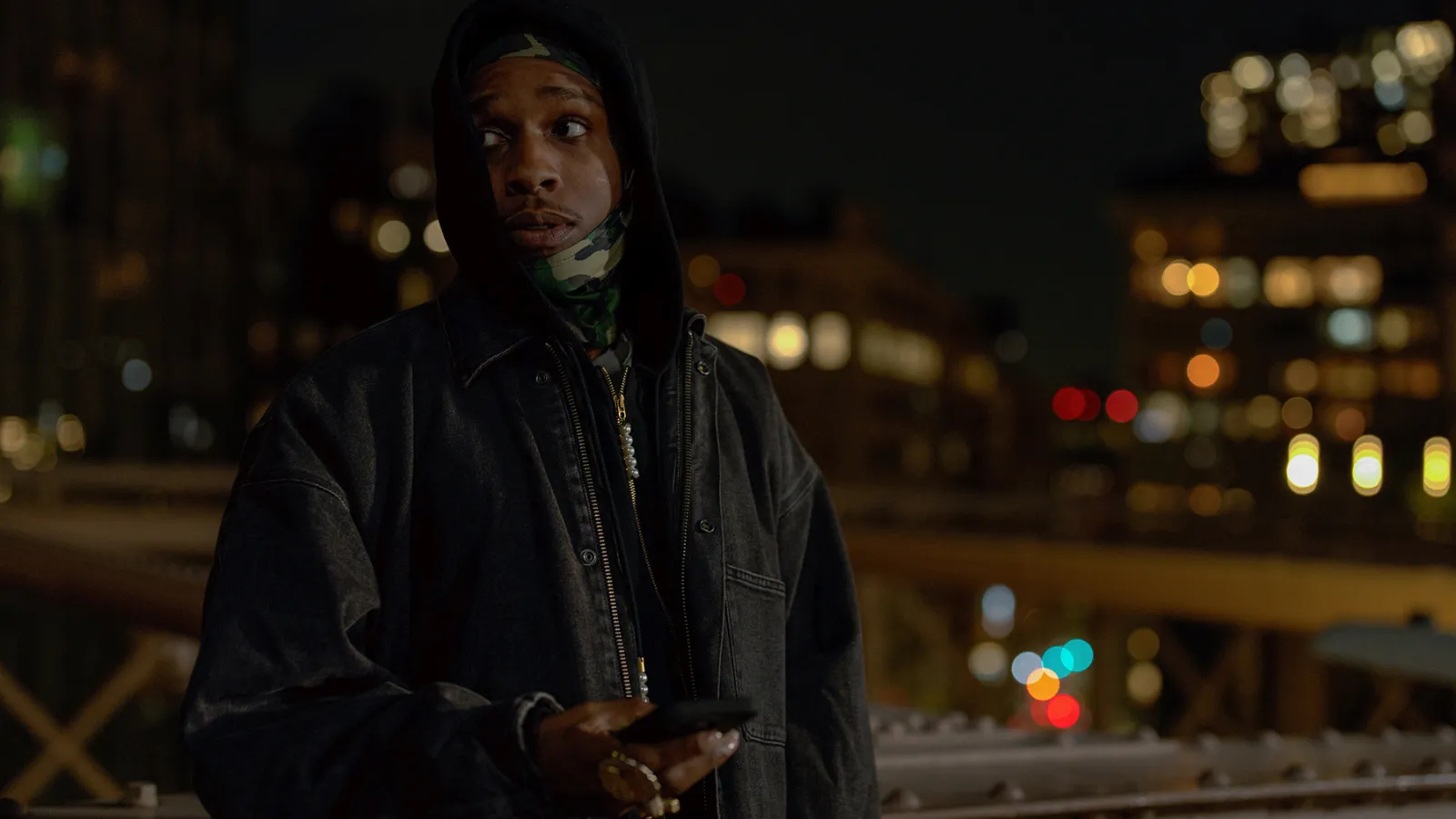
The last notable element worth addressing concerns rapper A$AP Rocky, who arrives late in the film but leaves a strong impression. Remembering him in the 2015 urban comedy Dope, I knew Rocky had skills, but this is a film requiring him to go up against Denzel in some heavy dialogue scenes, and the guy delivers. Attempting to serve as the manifestation of the mental war David is perhaps having with himself as he considers the next steps regarding his stature as a music producer, Rocky not only lays down some effective (and fun) tracks, but also encompasses central issues in a way that helps the film build to an appropriate climax.
The fact that Lee allows us to enjoy an extended epilogue feels right for a filmmaker who concentrates on realistic concerns and expresses where hope can come from, as opposed to what results from giving in to desperation. Highest 2 Lowest is a considerable success for Lee because he trusts the audience to go along for this ride that features rousing moments as well as more introspective ones. Just how personal this may be for Lee is interesting to consider. Whatever the case, he does well to focus on the highs and lows of this story. He delivers the goods, regardless of what a larger audience group would be able to experience, were they to have stronger theatrical options to enjoy this film. Of course, there’s more to a movie than just where it is experienced. And that’s the truth, Ruth.
Highest 2 Lowest opens in theaters on August 15, 2025, and will be available to stream on Apple TV+, starting September 5.