
The Sundance Film Festival always programs the best indie films, especially documentaries. I have attended since 2017, either in person or online. I appreciate the online access to high-quality, independent movies during a slower time in the movie release seasons. Film festivals are a way to discover new movies and emerging talent, and Sundance always delivers innovative narratives and engaging documentaries. Here are some highlights of what I watched online.
See Also: 2025 Sundance Film Festival: Virtual Review Round-Up
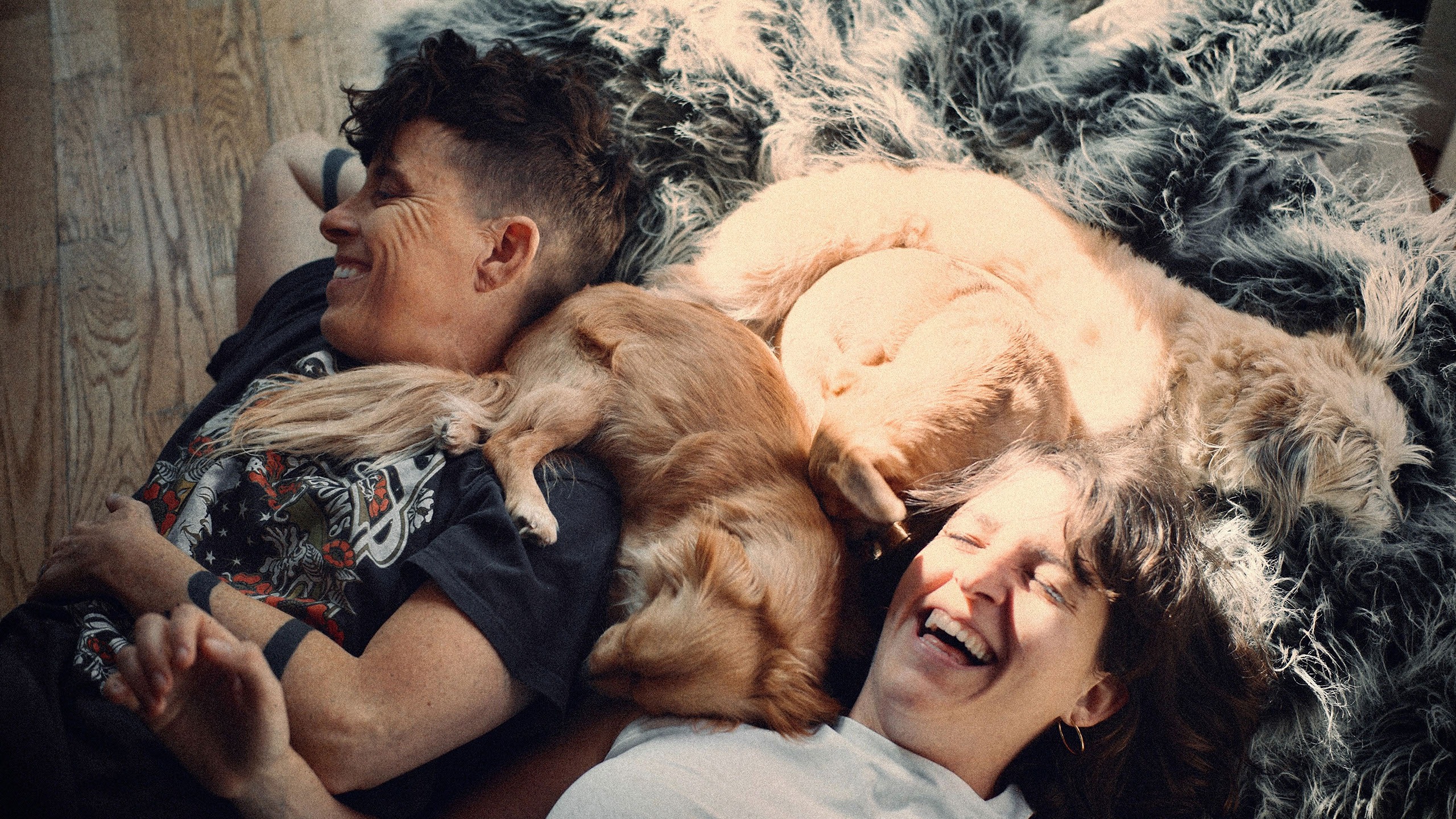
Ryan White’s Colorado set Come See Me in the Good Light is about Andrea Gibson and Megan Falley’s relationship, full of mixed sadness and a little optimism. Its delicate tone is constructed by the versatile filmmaker creating masterful doc storytelling from Assassins to Good Night Oppy. This was a therapeutic to confront being present and appreciating life despite life’s hardships, with recently losing a dear friend to cancer. The vulnerability of Falley talking about someone loving her despite her feelings about her weight will stick with me. The documentary touches upon themes of human connection and gender while reflecting on mortality with profound insight. Gibson’s poetry was a soothing, meditative, and beautiful listen. It ends with a lovely song from Sara Bareilles, co-written by Brandi Carlile.
A fantastic Joel Edgerton performance anchors the somber and serene low-key arty epic that’s an early 20th-century Pacific Northwest railroad logger drama Train Dreams. Filmmaker Clint Bentley (Jockey) directs a genuinely entrancing gorgeous movie, and the use of lighting from (no spoilers) the campfire glow on Edgerton’s face and a few different shots of him sawing a tree and blocking a beam of sunlight will be etched in my mind. A lot of wood-chopping here in a deliberately paced film held my attention. (“World needs a hermit in the woods as much as a preacher in the pulpit,” one man observes of Edgerton’s character who spends much time alone.) William H. Macy was in a lovely, very supportive role, and it was wonderful to see him on screen. Bryce Dessner’s musical score is very soothing and sets a melancholy tone. The boots on the tree need to be the poster or the Netflix tile since the streamer acquired it.
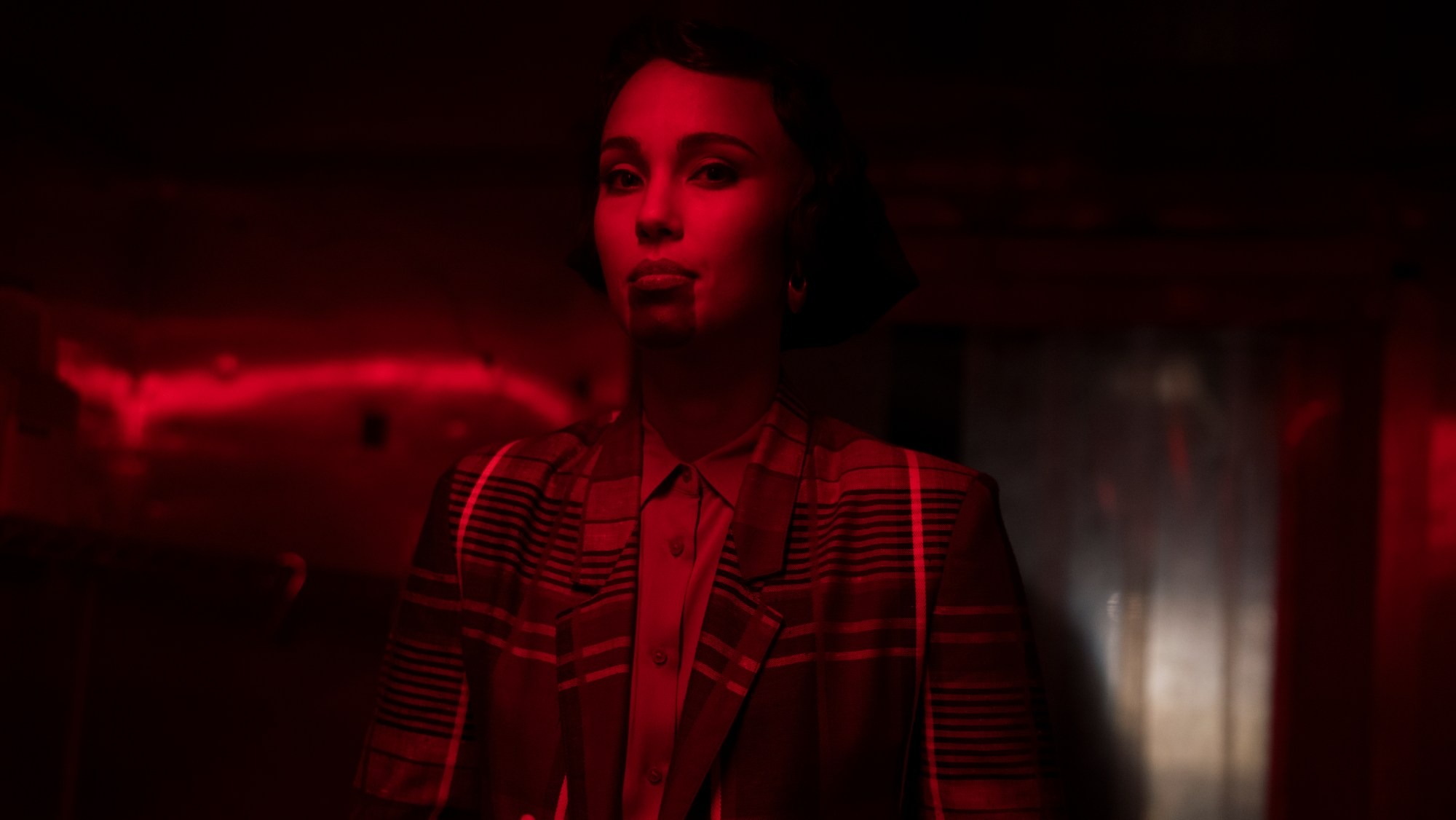
I struggle to find the right words to describe Kahlil Joseph’s genre-bending film, BLKNWS: Terms and Conditions. It seamlessly blends various styles, incorporating narrative acting and archival footage, creating an immersive experience filled with flickering imagery and footnotes. I was captivated throughout its entire runtime, with the film surprising viewers unexpectedly. Both enlightening and overwhelming—yet in the best possible way—it’s a striking example of artistic cinema. This is the kind of bold programming that the NEXT category should showcase, especially from the director of Beyoncé’s “Lemonade.”
You have to be on the wavelength of Zodiac Killer Project, I was, thanks to knowing director Charlie Shackleton’s previous work making the SXSW doc Beyond Clueless. This is less frenetic and focuses on certain elements. More normie fans of true crime stories could revolt thanks to its stylistic analysis and critiques of the popular genre, which he still finds fascinating, as having what he describes as a “gravitational pull.” He laments over not making the documentary he wanted to. Describing the genre as getting “one eye off your phone” was perceptive, among other things, and Shackleton’s observations make it as riveting as some of the best true crime obsessions.
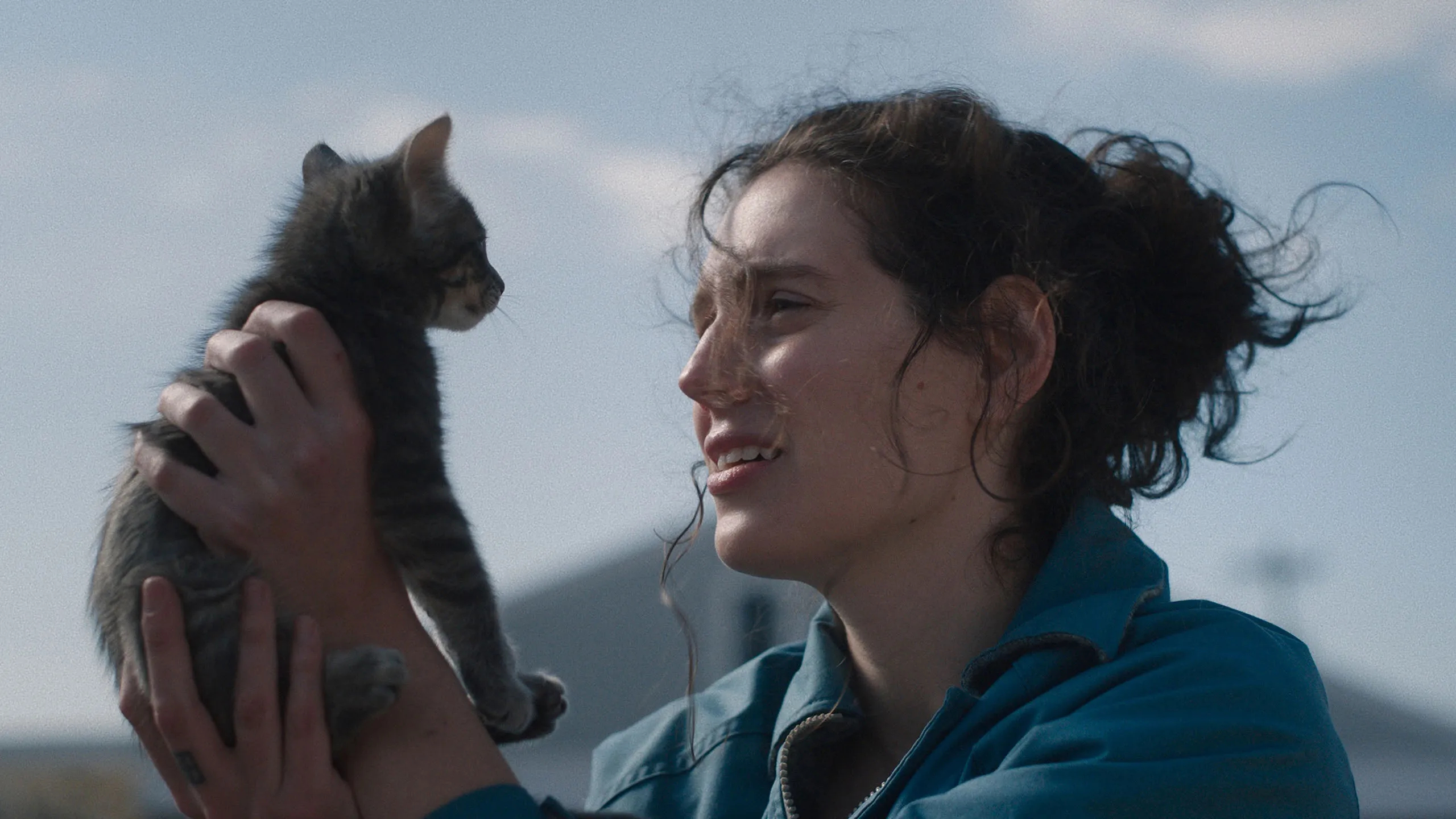
Eva Victor has arrived with her first feature, Sorry, Baby. The indie drama/comedy was not what I expected in the best way and was the breakout discovery of this year’s Sundance: witty, unpredictable, fierce, and tender. She captures the complex awkwardness of life. Victor’s screenplay is so in control of every moment that it flows naturally, like iambic pentameter filmmaking screenwriting with shades of Fleabag deadpan poignancy as a woman’s singular auteur voice. The supporting ensemble performances from Naomi Ackie, Lucas Hedges, Louis Cancelmi, Kelly McCormack, and John Carroll Lynch are all very good. A little movie that’s a big deal debut will be released by A24 later this year.
With shades of Asghar Farhadi’s influential style, Alireza Khatami’s The Things You Kill is an exceptional noir film where tension builds and eventually overflows, featuring excellent twists and beautiful cinematography that immerses viewers in Turkish culture. Sudden moments can be jarring, and the plot developments demand our full attention. This engaging, dramatic thriller never lets its audience go. It follows a man seeking vengeance for his mother’s untimely death, with an understated yet powerful performance by Ekin Koç at its emotional core. The film explores staggering themes of tradition, family, and patriarchy to an overwhelming degree. Although this is not Khatami’s first film, it feels like it could be his breakout directorial effort, likely to be admired by the Letterboxd crowd by the end of the year.
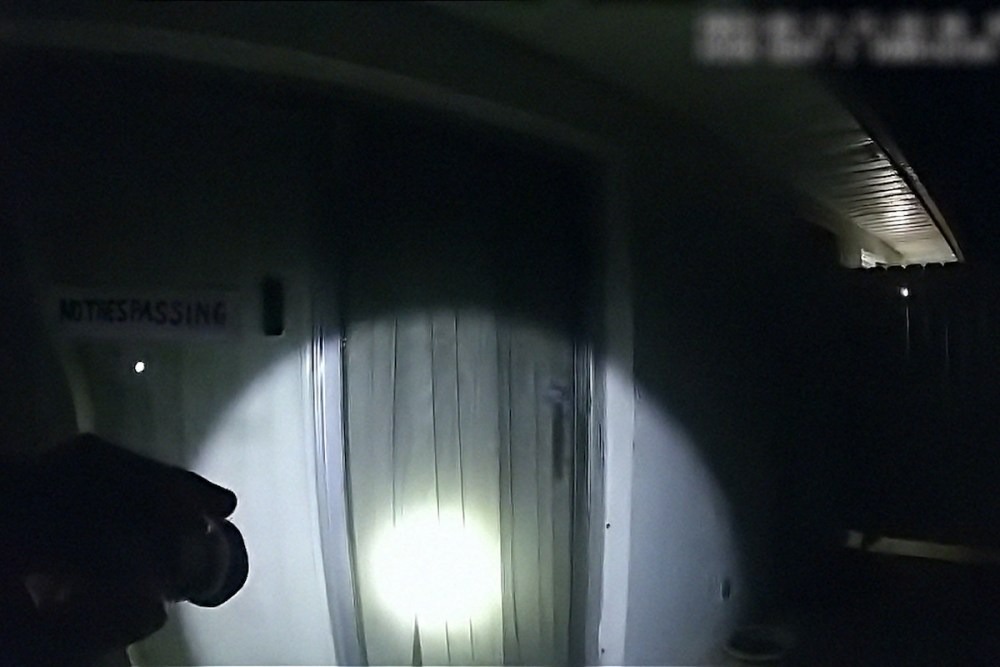
Recreating an escalating dispute between neighbors from video recordings from first dispatchers, Geeta Gandbhir’s The Perfect Neighbor is very upsetting and well-edited. It shows nothing but the facts of the case and how multiple incidents spiraled out of control. An unbiased eye can reveal true intentions when the Stand Your Ground laws can be used to justify killing, and the footage speaks for itself. A gripping documentary for our Nextdoor conflict-driven era, it slightly morphs much more into a true crime documentary in the third act with the integration scenes. Certainly, it is a documentary to be discussed and remembered all year for the way it was made and the subject matter.
Brittany Shyne’s exquisite and reflective documentary Seeds highlights the often sorrowful, overlooked reality of Black farmers who face economic challenges while trying to sustain their livelihoods. The stunning black-and-white cinematography beautifully frames their stories in a cine vertie setting while emphasizing that their lives and labor are timeless, even if they feel a discovery to some viewers. These individuals, Black people living and working in small towns, express their frustration over the lack of government support that should assist them. The poignantly powerful scenes are moments of everyday living, like when the grandchildren play and go out into their community.
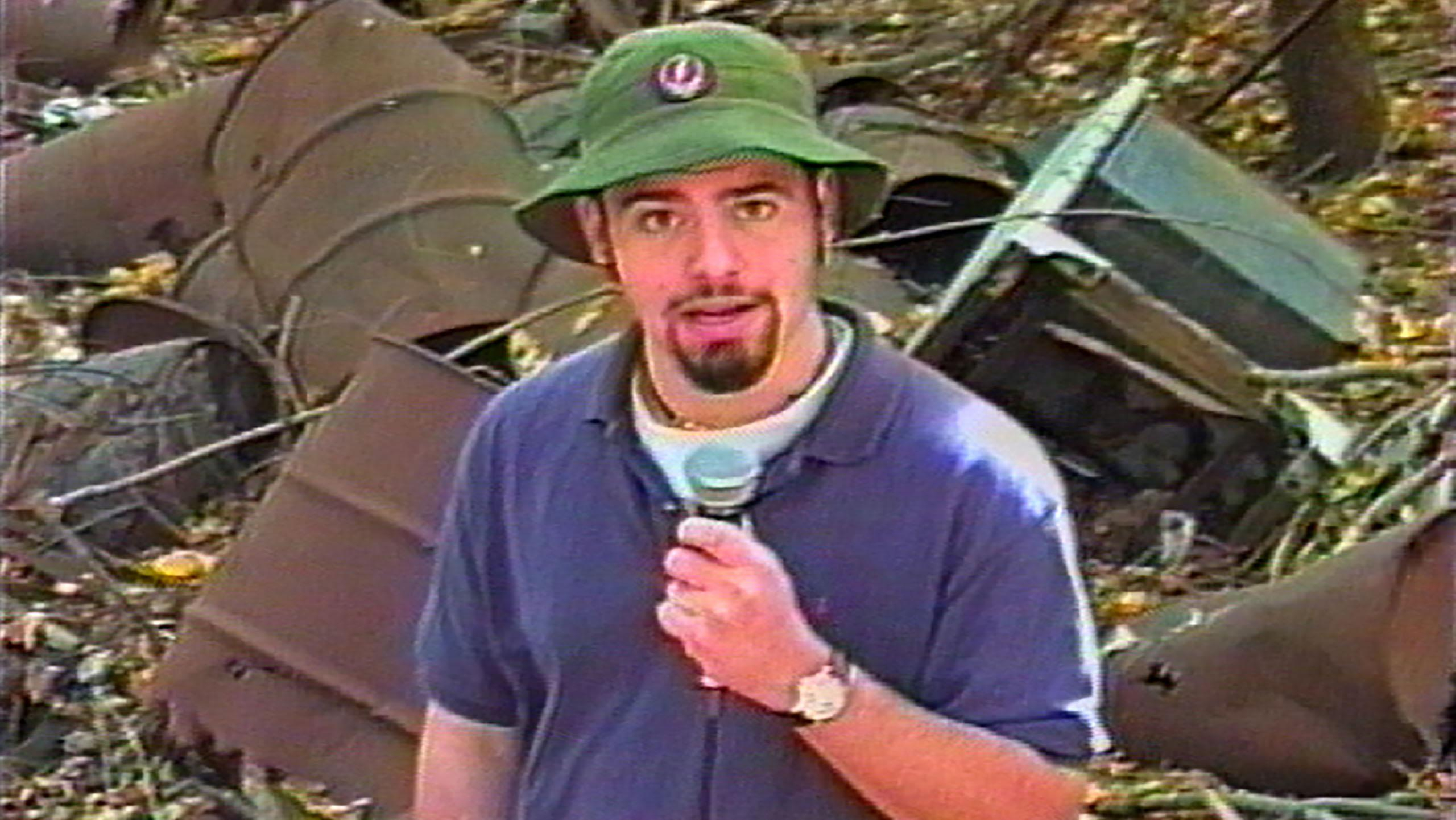
Jesse Moss directed two of my all-time modern-era favorite documentaries, The Overnighters and Boys State. His recent collaborations with Amanda McBaine (Girls State and The Mission) are just as insightful. Their latest revelatory and engaging doc, Middletown, about students in an audio-visual Electronic English course in a working-class upstate New York town, uncovers a secret: toxic waste is dumped in a landfill close to a significant regional aquifer affecting the town’s drinking water. The teacher, Fred Isseks, inspired his students to “use their talents to make stuff and not consume,” his words helped uncover the town’s biggest scandal. Their exhaustive investigation reveals an intense dive into the scandal’s details, compelling people to be in denial but be exposed. The subjects, high school students from the early 90s, reflect on their work and generation’s jadedness, and their reunion is a balm to the soul. Their work reminds us of journalism’s power and determination.
I am looking forward to when more audiences watch and discuss these movies.

