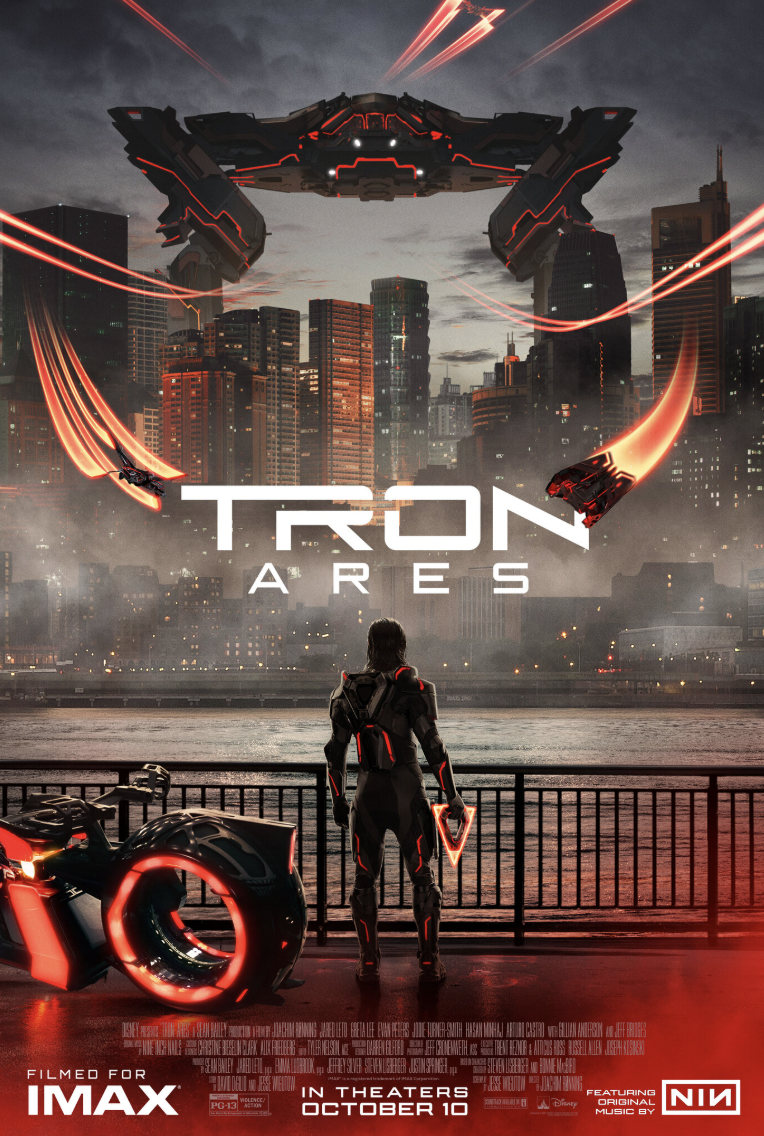
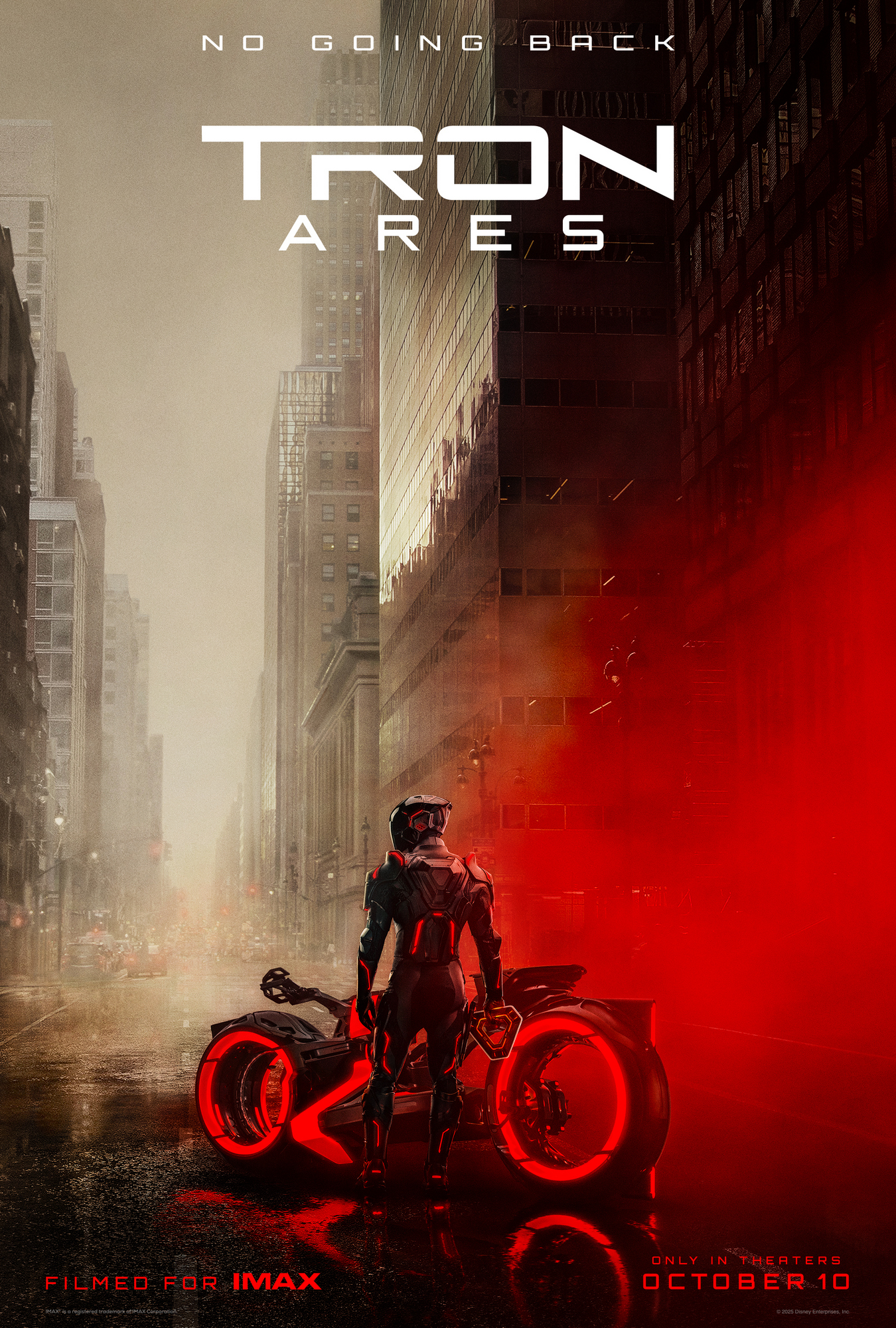
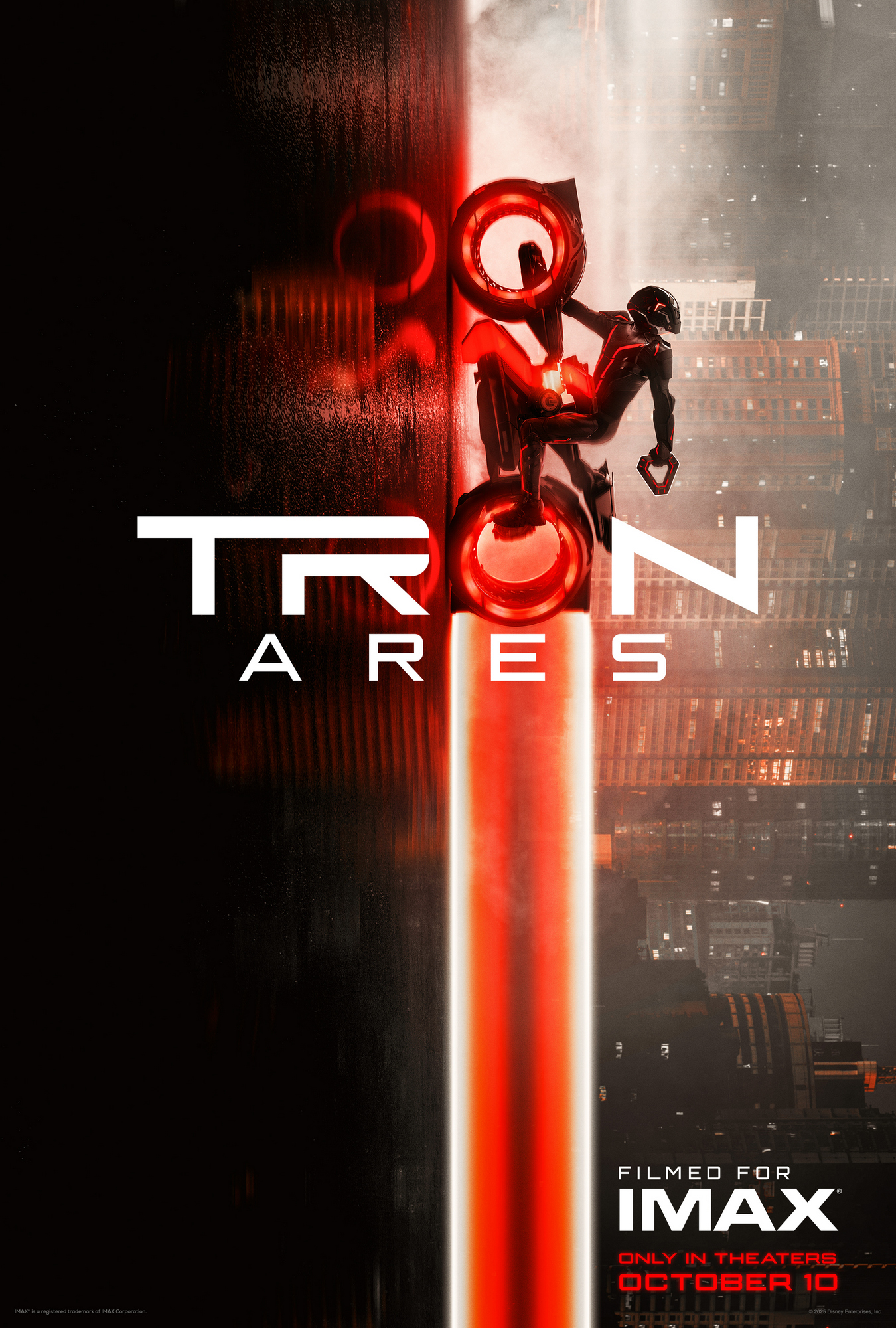
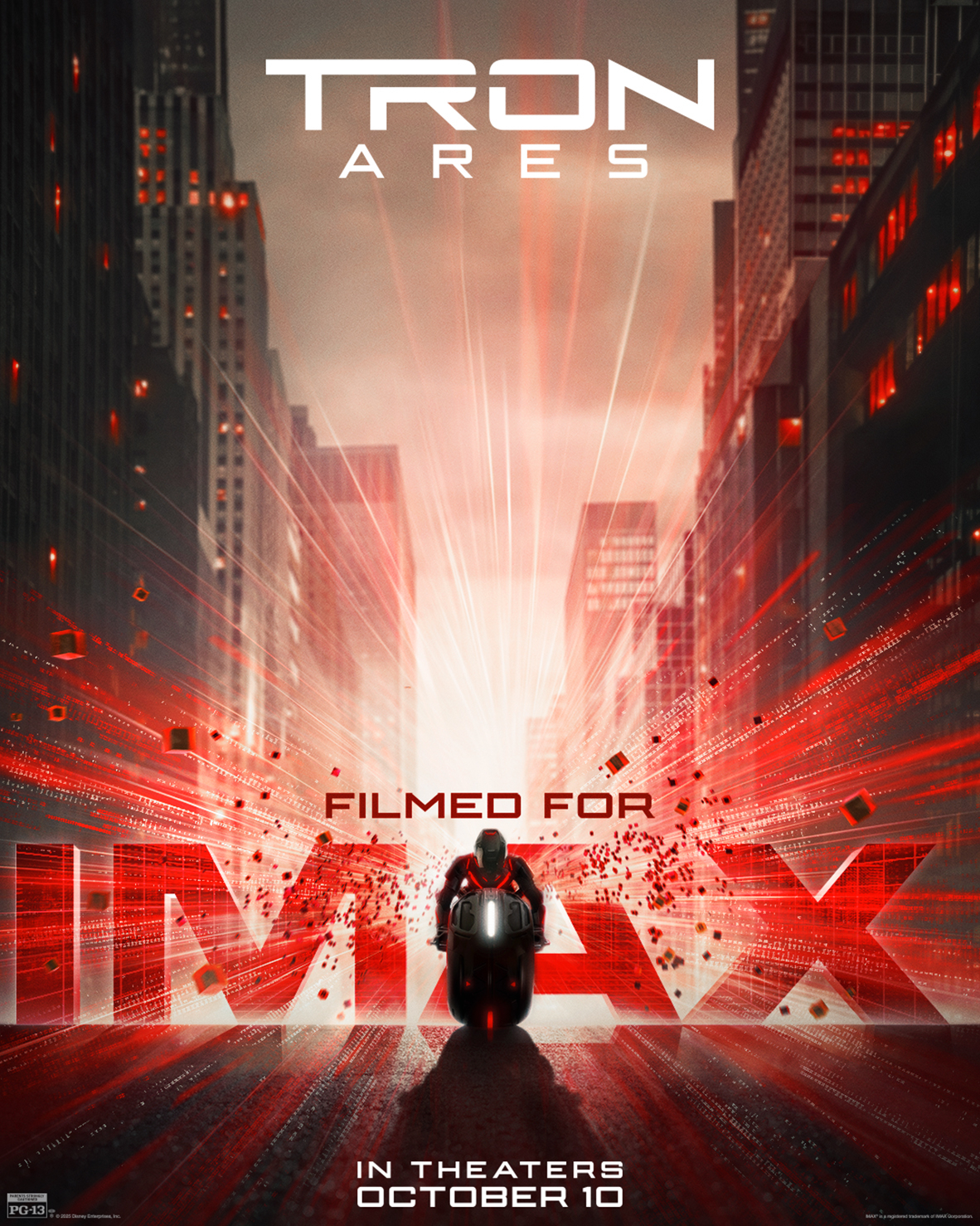
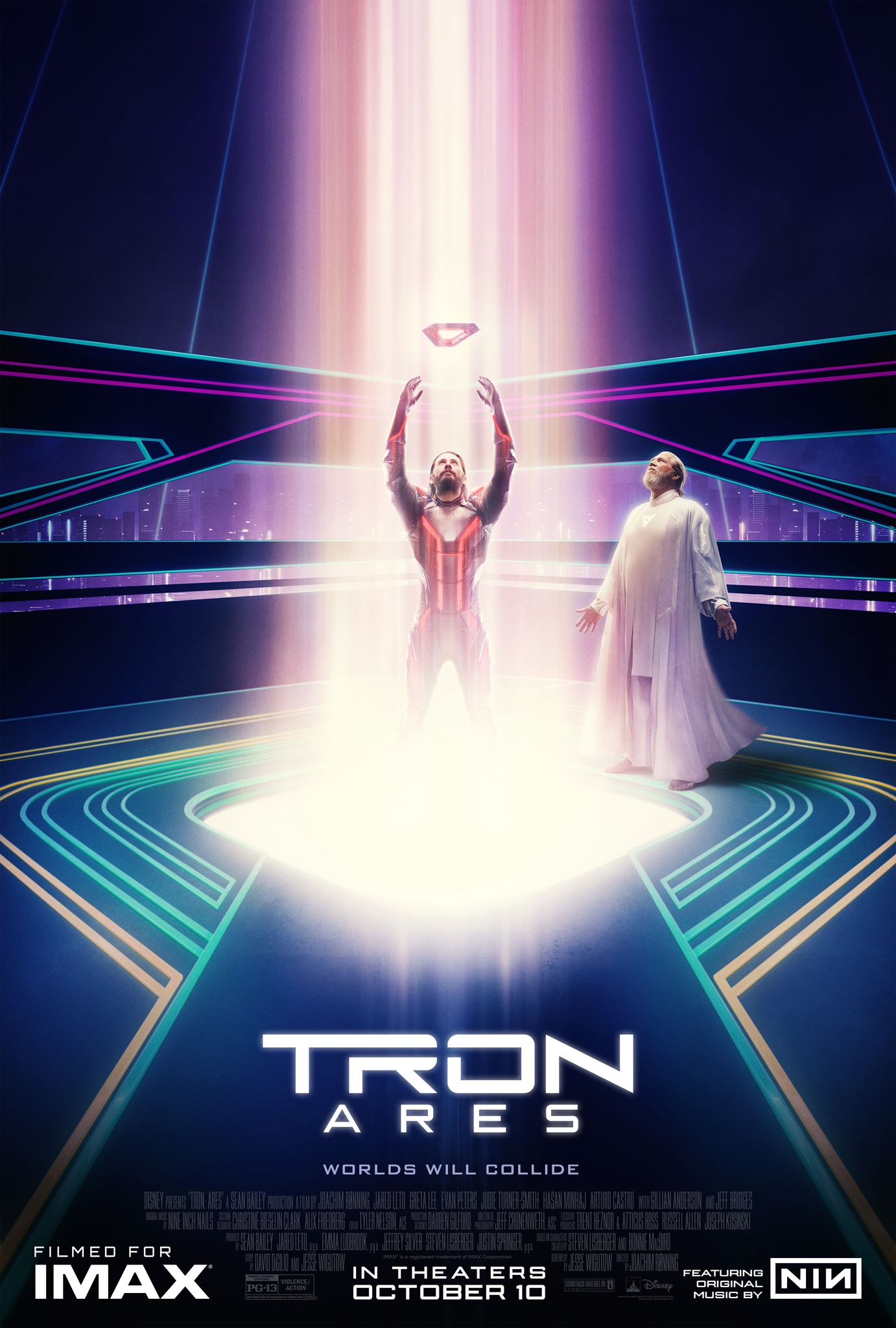
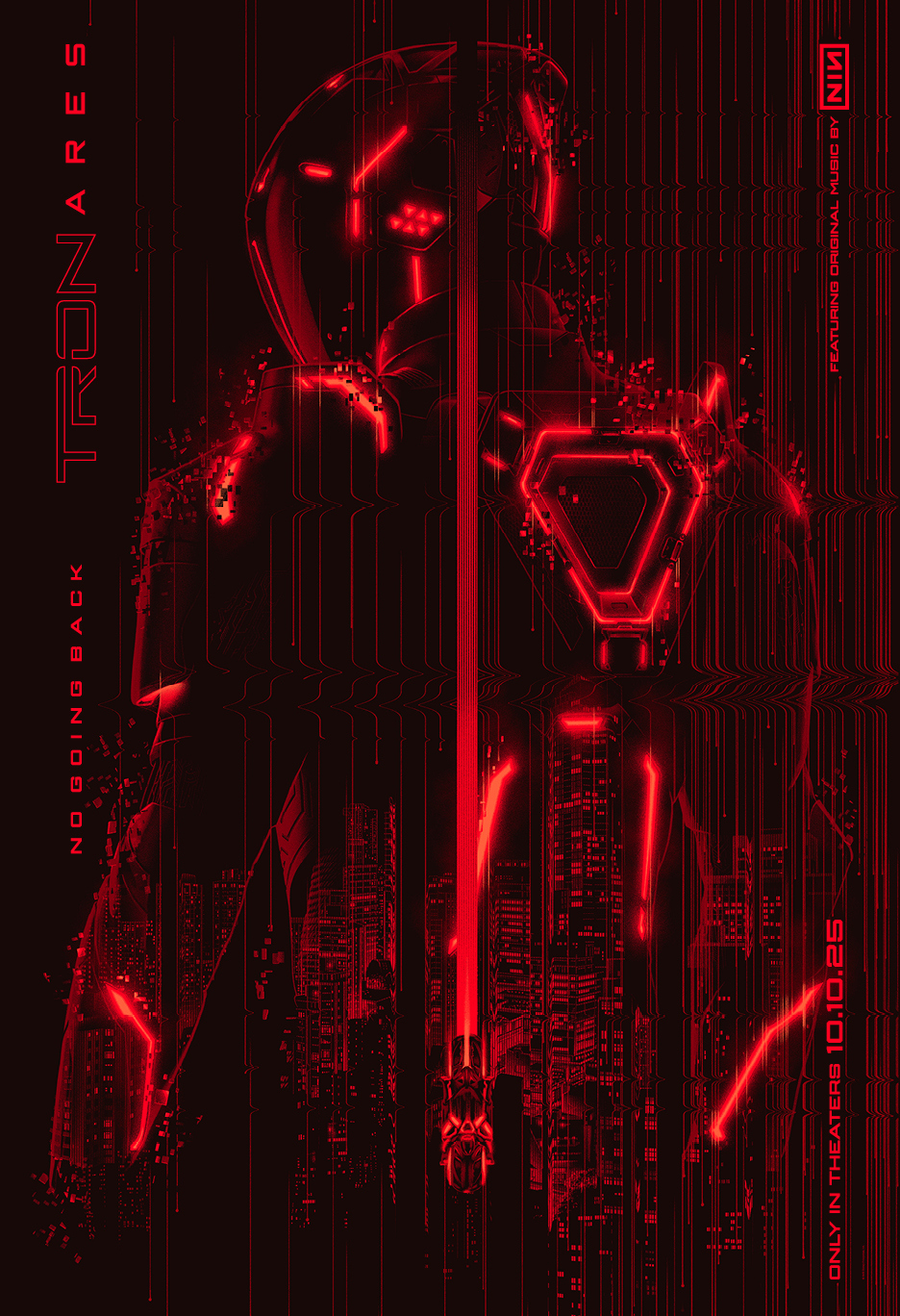
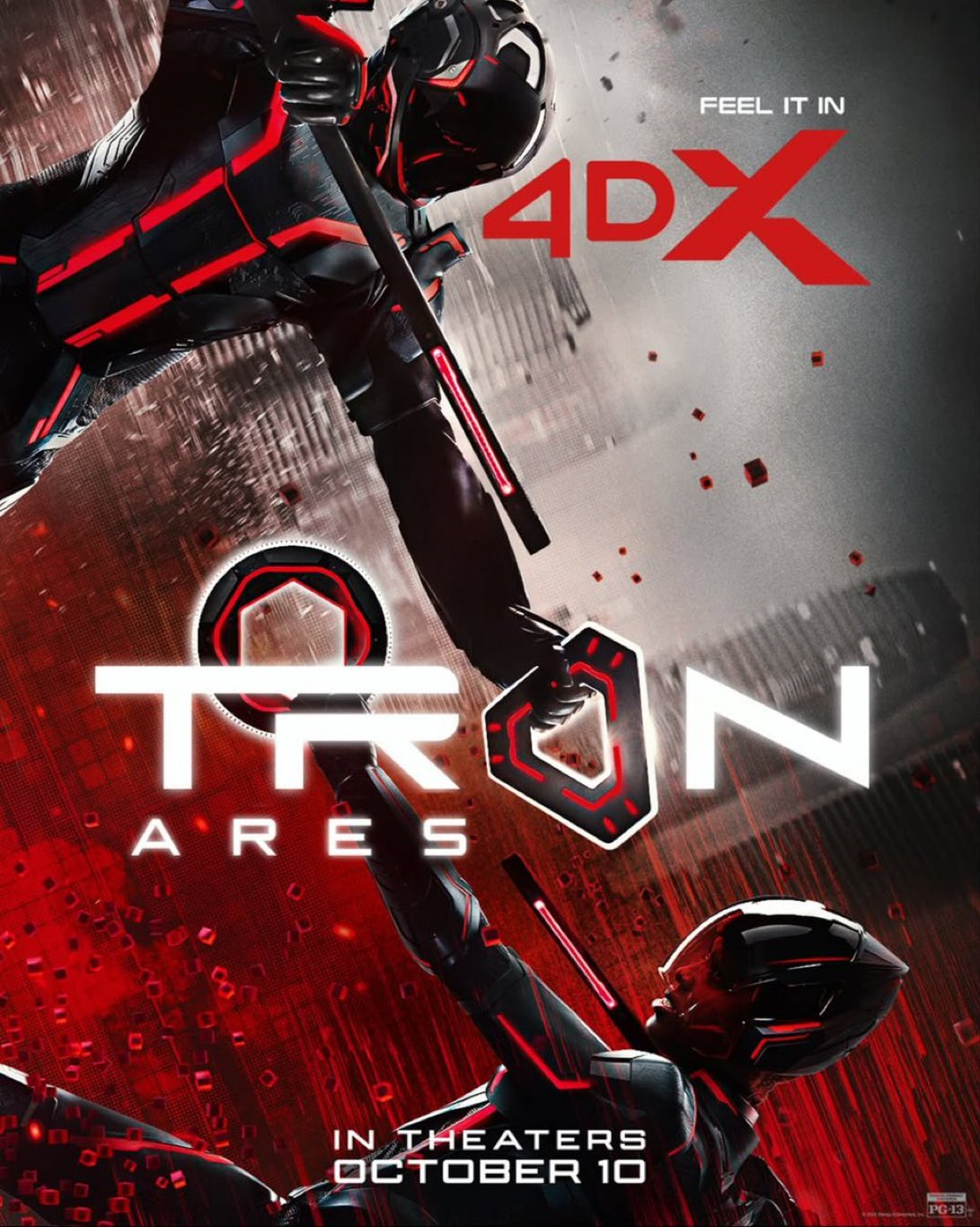
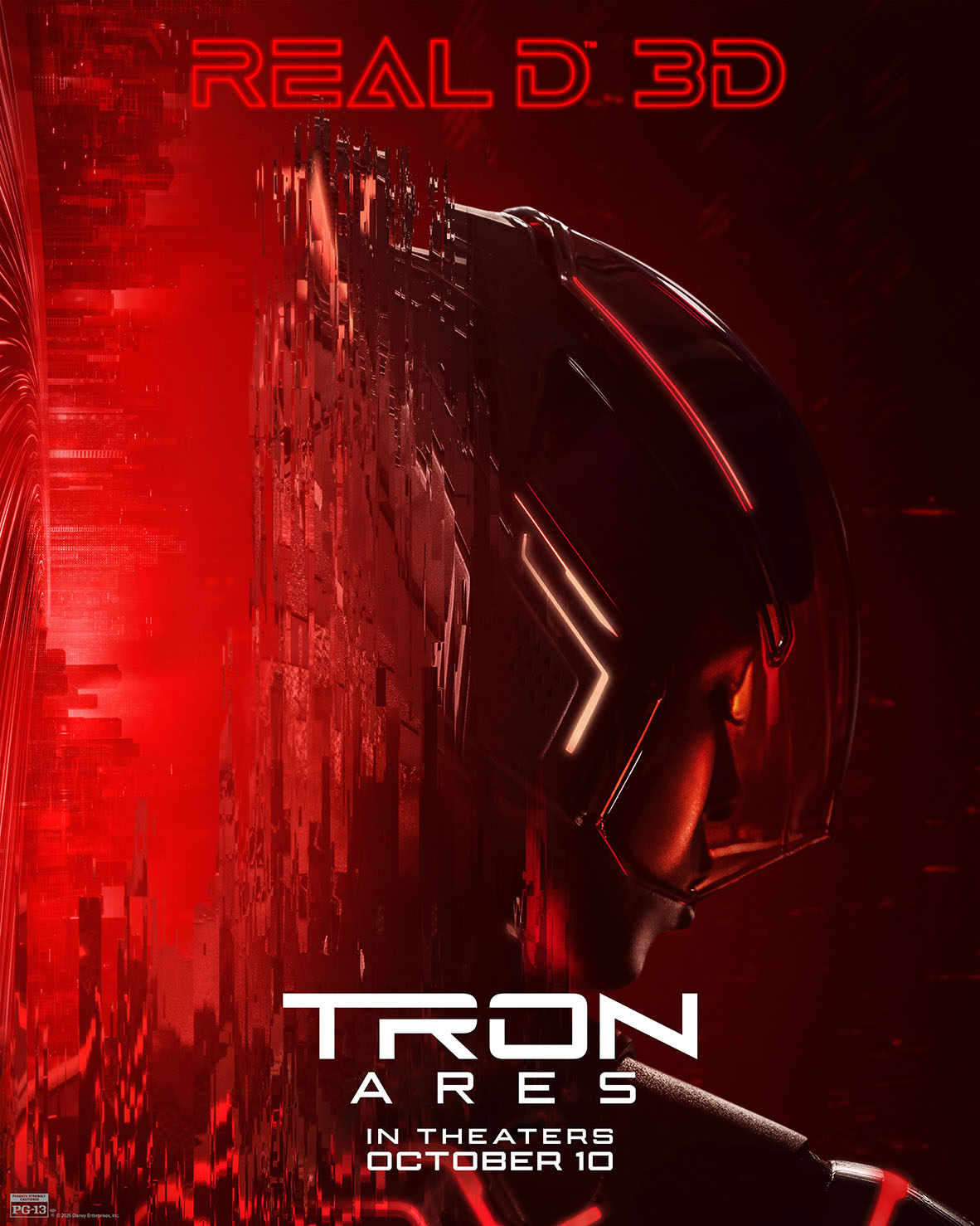
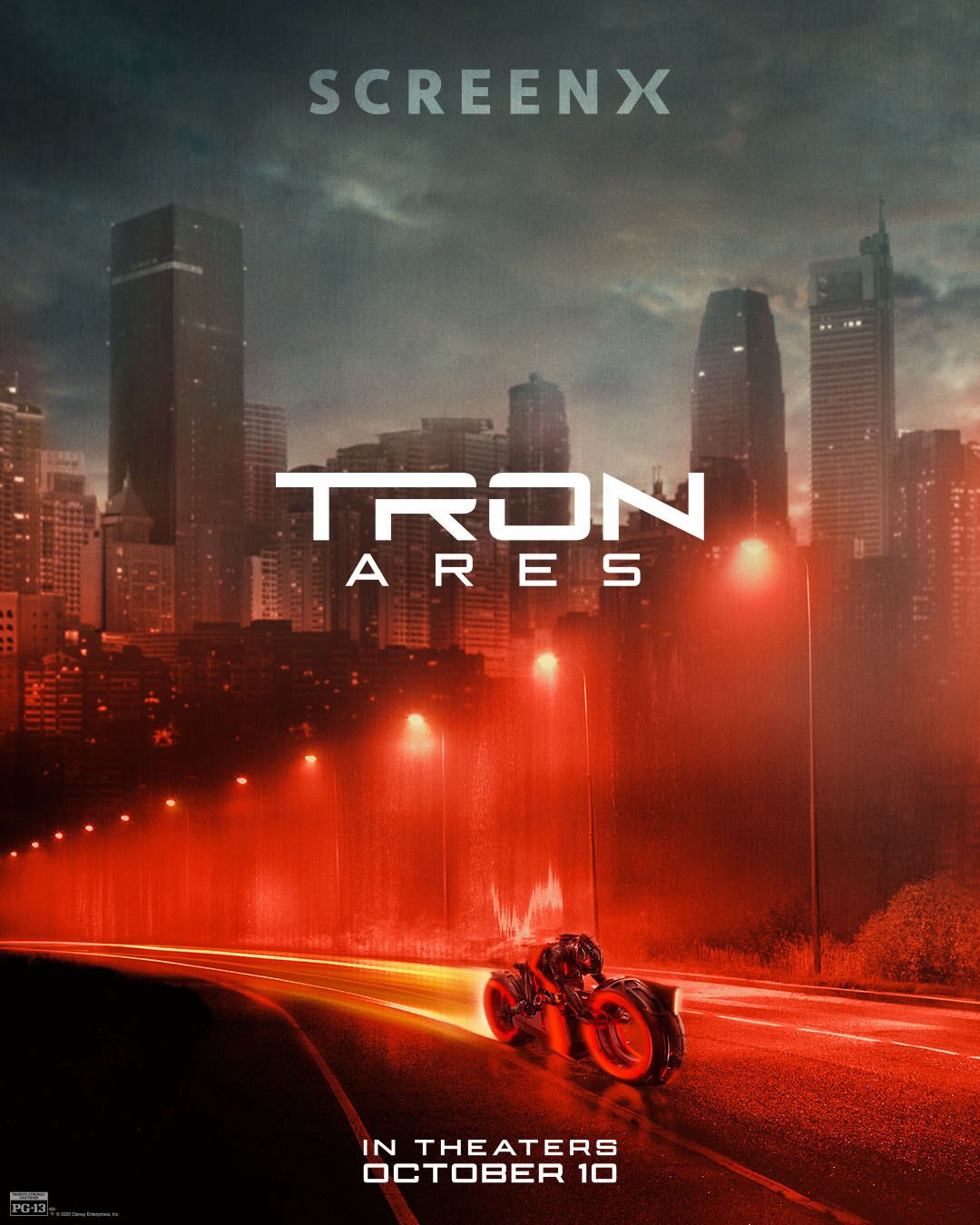
With this latest launch, it’s amusing to think about how well Tron fits into our discussions of movie franchises, particularly in terms of the language we use to describe where things are. In this case, Tron: Ares functions as a soft reboot of the series. It’s not restarting any timelines, as the film very much has the first two films in mind (particularly the first), but this is essentially version 3.0, with Disney hoping to score more than just a modest success out of a sci-fi series that puts the users into the machines. Fortunately, it’s a proper update. While not the deepest in terms of connecting some of its more intriguing ideas to our current reality, the film more than makes up for it with spectacle. Tron: Ares is a visual and audio treat, serving as the latest example of why a big-screen movie experience is best.
Following an introduction that reintroduces us to this world and establishes some basic facts, we emerge with clear objectives regarding the plot. There are two major tech companies, ENCOM and Dillinger Systems. Both are working on technological advancements that would incorporate AI in different ways. For Dillinger, it means bringing digitized warriors, weapons, and machines into the real world to fuel the military industrial complex. ENCOM would rather utilize its abilities to benefit the world through environmentally friendly creations.
See Also: ‘One Battle After Another’ Review: Paul Thomas Anderson’s Masterpiece of Survival, Satire, and The American Way
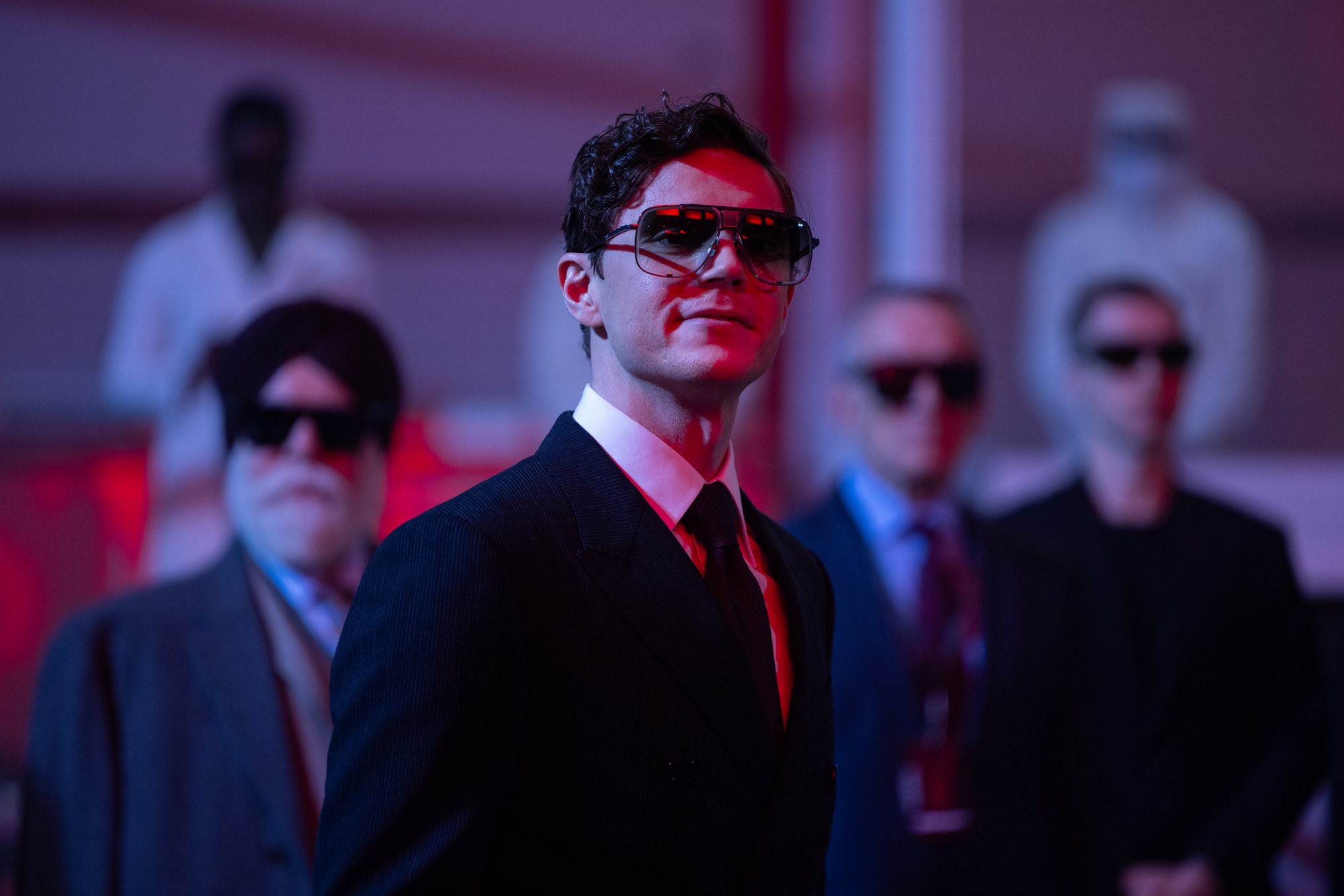
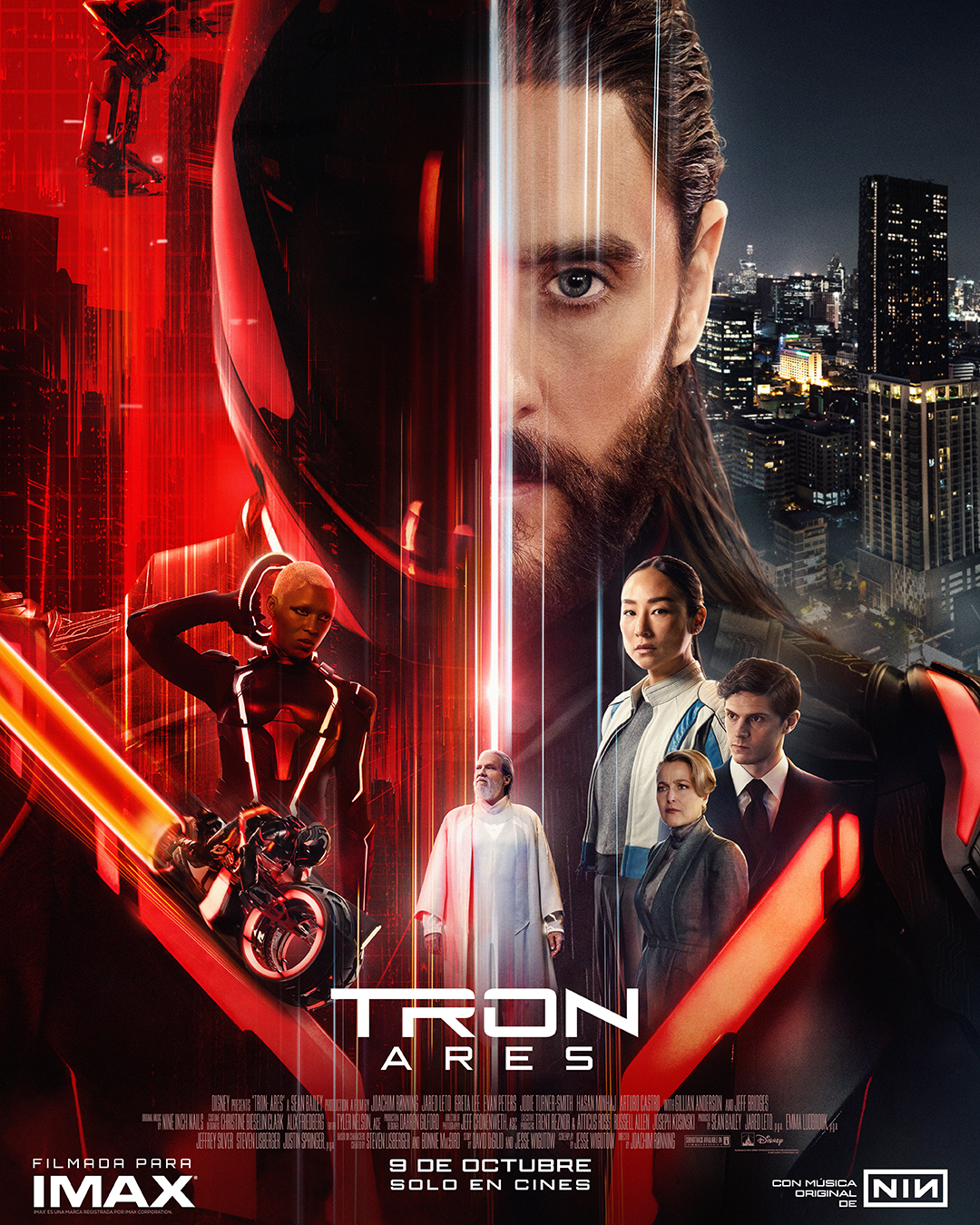
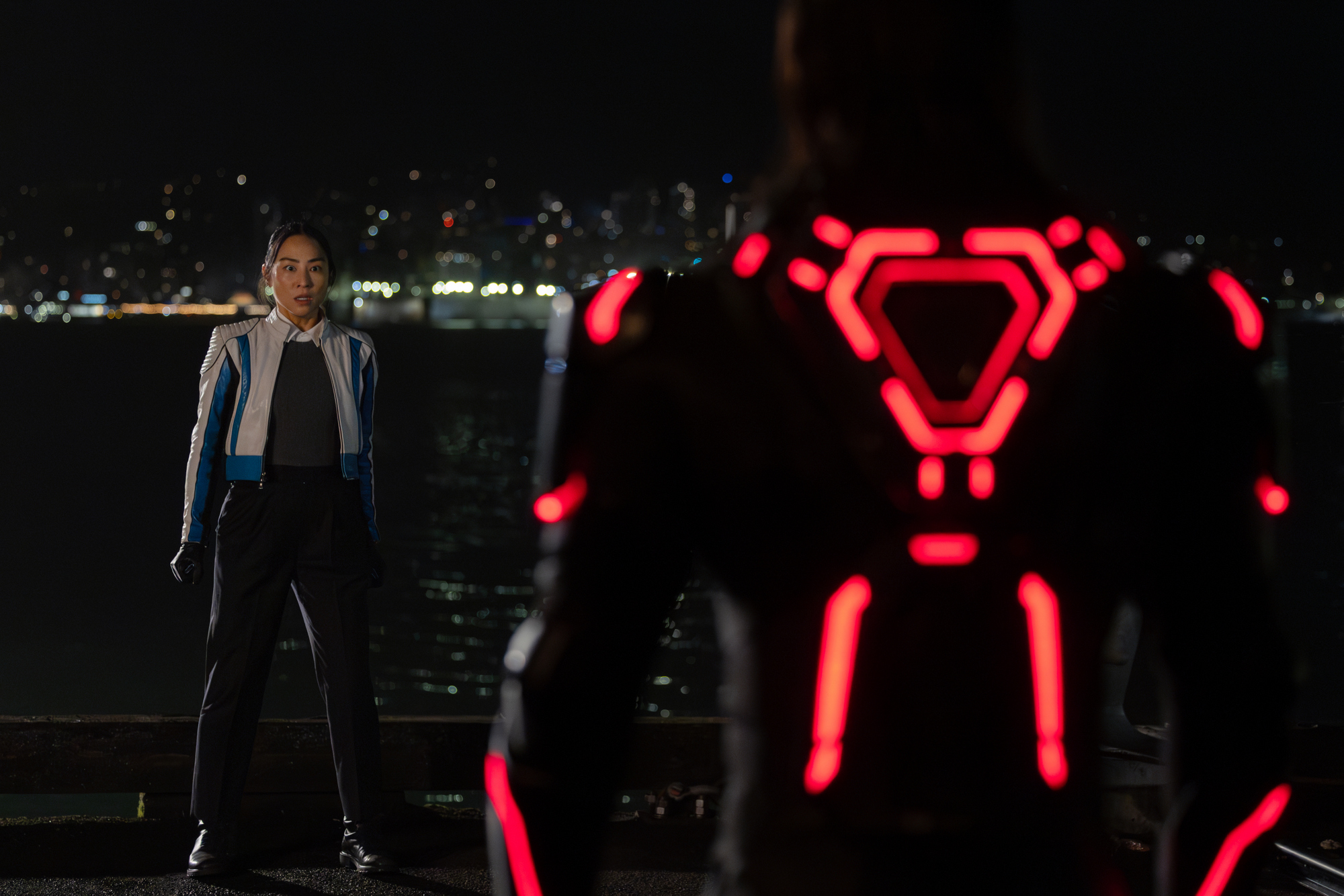
If it all sounds very simple and naïve, it’s because it is. This film is not subtle about how it codes its heroes and villains. It’s 1s and 0s. Dillinger’s digital equivalents are all scary and red. The few chances we see ENCOM’s digital form, they’re a calming light blue. The human performances match. Evan Peters relishes his opportunity to play arrogant tech bro Julian Dillinger, who is willing to destroy whatever he needs to find what he’s after. Meanwhile, Greta Lee’s Eve Kim, the CEO of ENCOM, has her own issues involving the loss of her younger sister, but is still in pursuit of something that would ensure their company maintains the right kind of control over the industry.
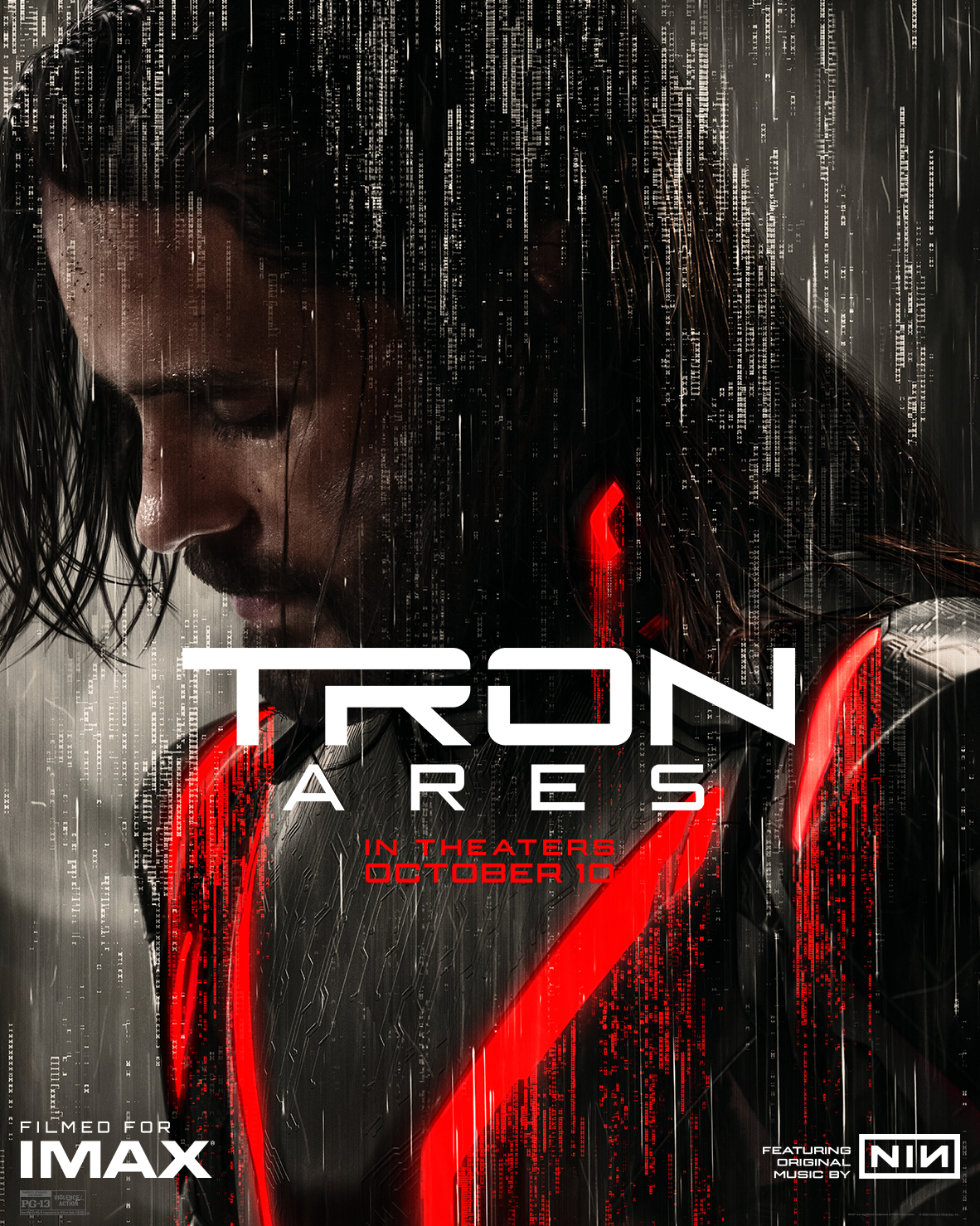
The true wrinkle comes in the form of Ares (Jared Leto), a super-intelligent program created by Dillinger. Ares is battle-tested and programmed to be faster, smarter, and superior to all others, while still under the control of its human overlord. Naturally, that last part is bound to be challenged by the nature of a program experiencing feelings and developing a soul, particularly due to its exposure to the real world. How Leto became the most acceptable pick to star in a series like this is beyond me. However, having him play a program that learns to become more human yields results that fit the tone of this film quite well.
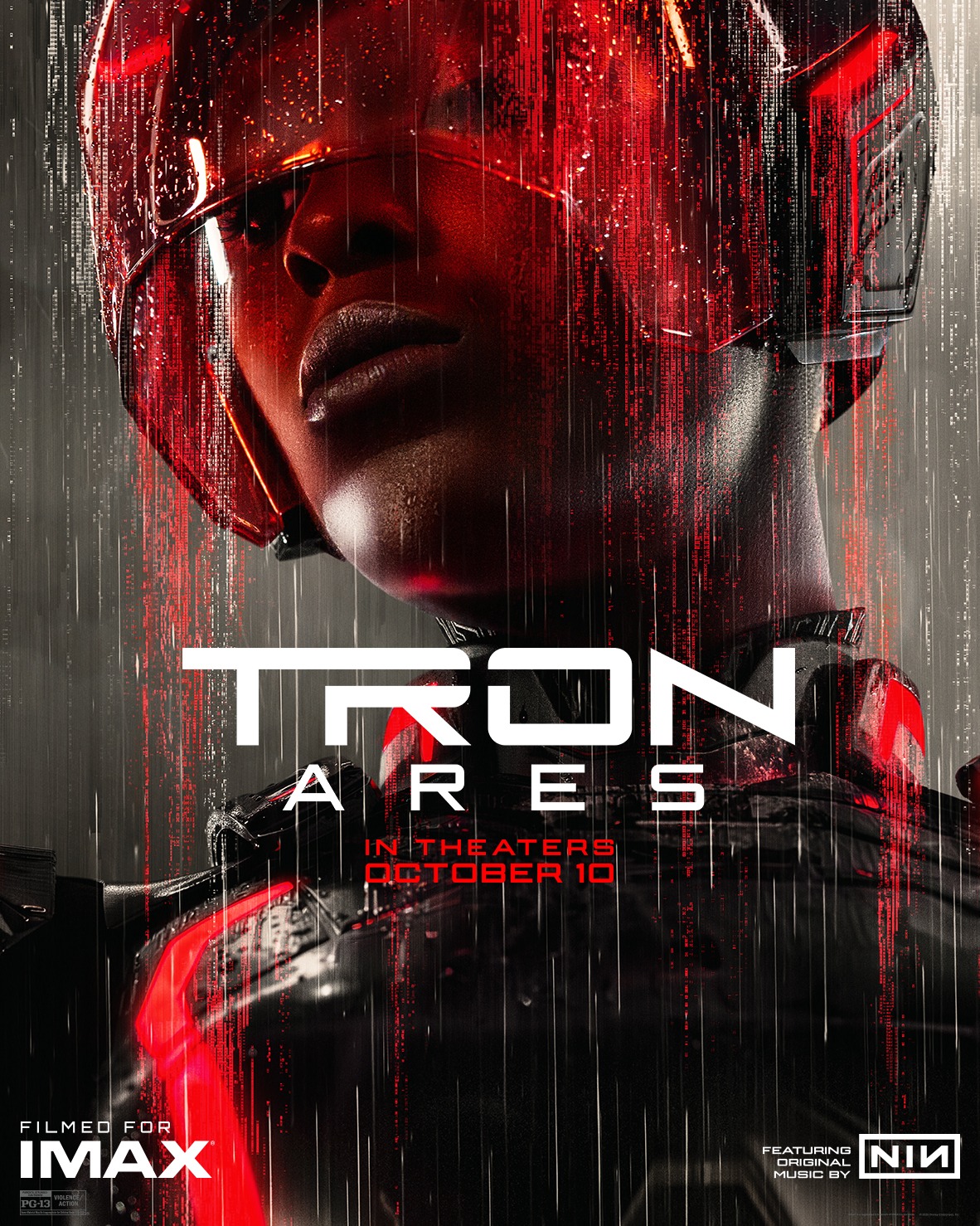
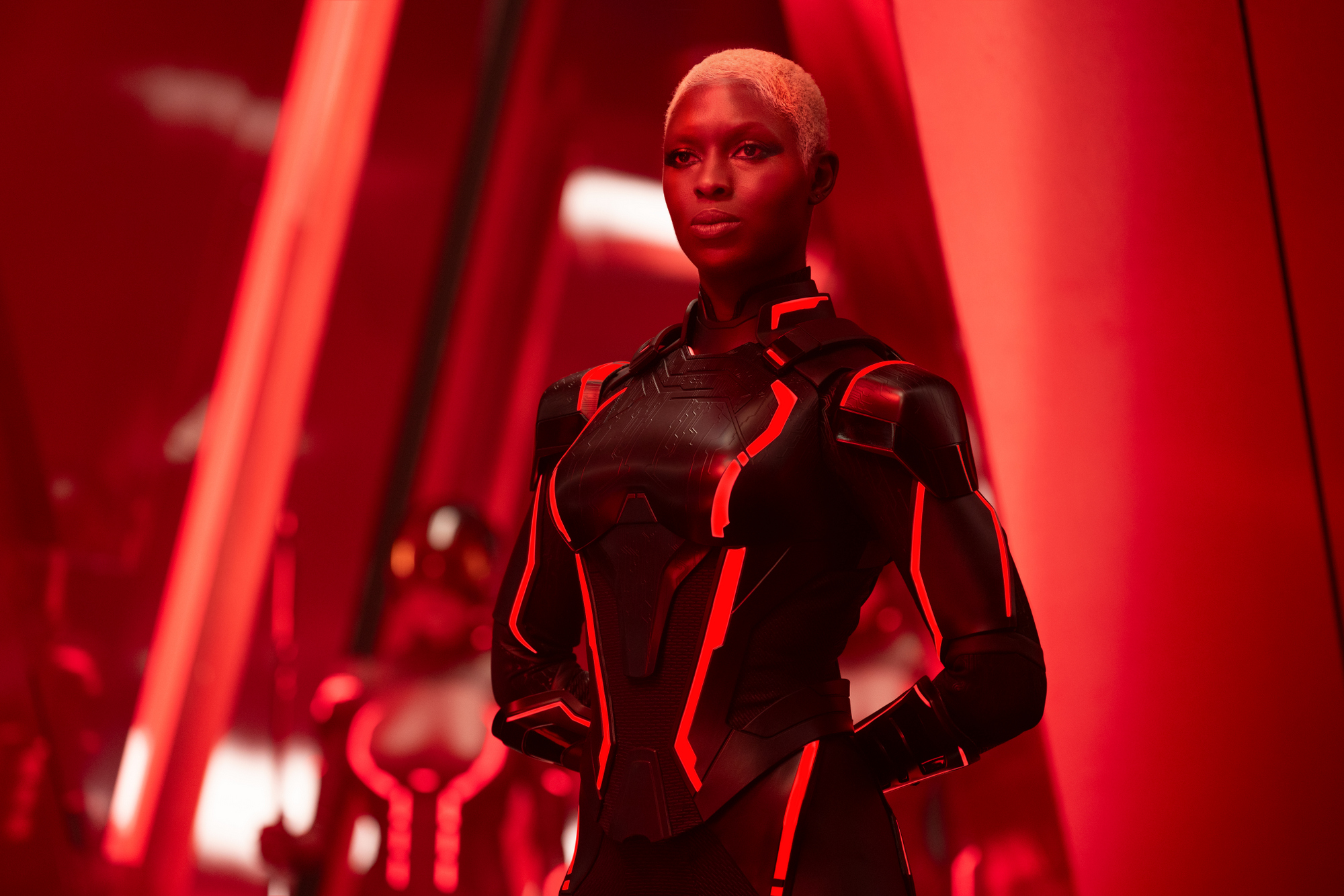
To shake things up, the biggest hook for Tron: Ares is clearly the choice to have the program enter the real world. While this doesn’t amount to a story that builds upon where Tron: Legacy left off, it does offer its own unique take, managing to make the Grid feel fresh again, establish new boundaries, and create a race-against-time conflict that keeps the movie’s pace active. In this case, while we see Ares and other programs, including Athena (Jodie Turner-Smith, having a blast in her villain era), Ares’ very determined second-in-command, enter the real world, they can’t last more than a certain amount of time. The solution to this is a hidden permanence code, which becomes the driving force for every major character.
Whether or not the nature of the Grid, how these programs make sense in that virtual reality, or what it means to be a user trapped in that reality made enough sense to audiences, I could appreciate how Tron: Ares took a different approach to the subject matter. Moving away from the gladiator combat aspect of that world, where programs were forced to fight each other with their frisbee-like identity discs or participate in chariot-like light cycle battles, what we see inside the system is more of a clear day-to-day approach of programs acting as needed to keep things in line, until threatened by outside forces (hacks). By the time several plot threads are in motion and various characters are entering and exiting the Grid, little work needs to be done, as the film has established a good handle on how all this works.
This is all being guided by Joachim Rønning, a Norwegian filmmaker who has become one of Disney’s go-to directors for various sequels, including Pirates of the Caribbean: Dead Men Tell No Tales and Maleficent: Mistress of Evil. I can’t speak to whatever passion he may have for the original Tron, but the results led by him and his team of filmmakers are quite impressive. While juggling a storyline involving rogue tech, AI, battling company execs, and other nonsense that needs to be appropriate for all ages, there still needs to be a level of innovation that impresses in the same way the previous films did.
1982’s Tron was revolutionary for its time, adding to what was possible to achieve on film in terms of special effects. For all the flak the digital de-aged double of Jeff Bridges received in Tron: Legacy (which I’ve always argued made sense, given that he’s an outdated program), the much greater majority of that film was also a visual marvel, headed by Top Gun: Maverick’s Joseph Kosinski. Ares is no different.
Sure, we’re at a time when massive blockbusters arrive more frequently than not, so I can’t say there’s a revolutionary visual effect on display that’s unlike anything else we’ve seen. That said, I can’t deny how good (and frankly how cool) it is to see the aesthetic of Tron blended into the real world the way it is here. On top of that, revisiting areas like the Grid, let alone some other key choices that support the build-up to the much-advertised return of Bridges’ Kevin Flynn hit as well as needed. That is one thing about the Tron series: it’s one of the few movies where hitting nostalgia buttons actually makes sense from a narrative perspective, given how outdated programs come into play.
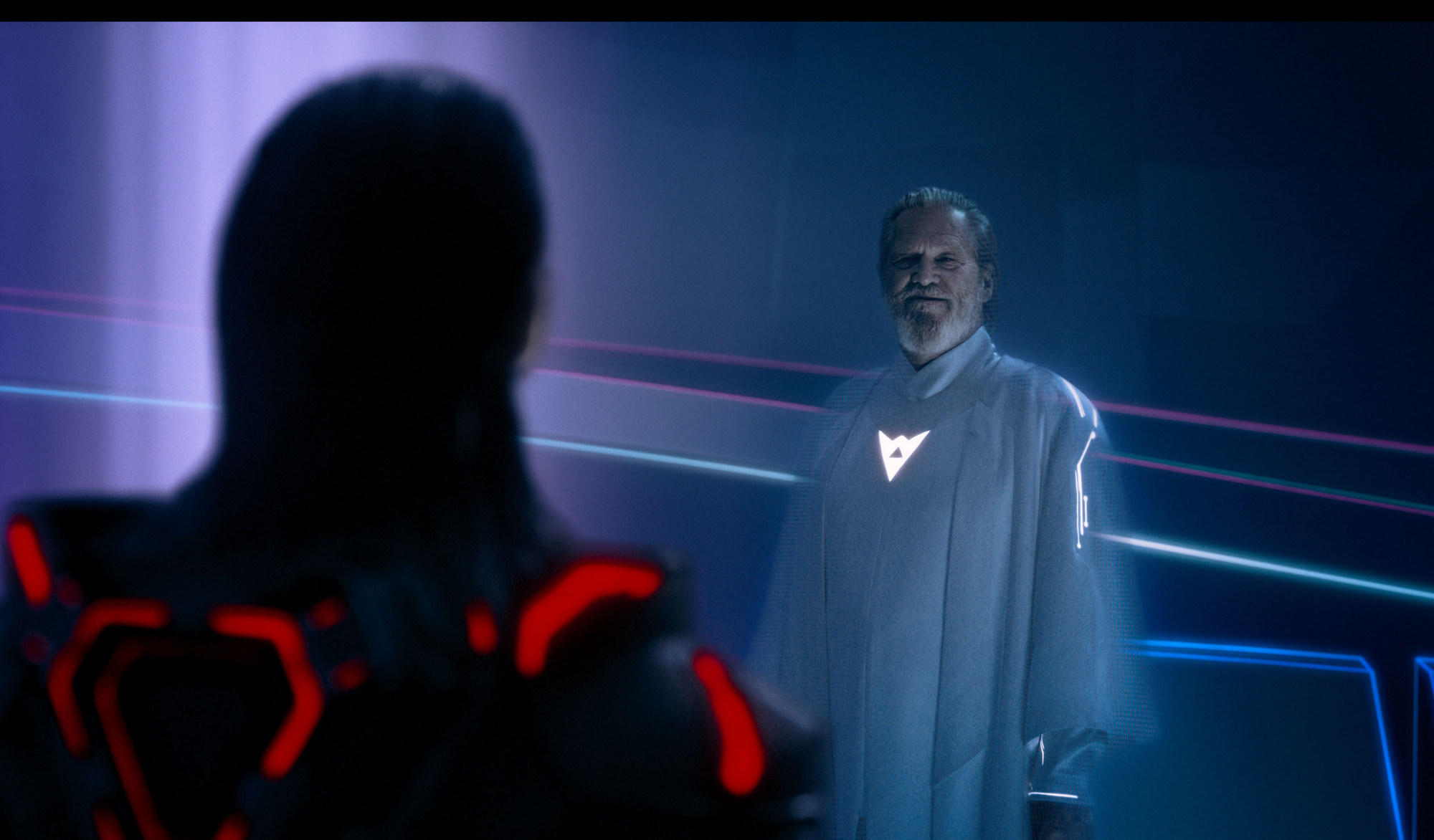
Additionally, for all the joy that comes from skillfully executed action sequences (including a reliance on 3D-based decisions to better account for scale), Tron: Ares comes equipped with another familiar enhancement – its soundtrack. We’ve gone from Journey to Daft Punk, and now we have Nine Inch Nails to provide the music for this film. It delivers. The industrial rock band lends a unique element to this film, which certainly makes the scenes stand out even more. I had a blast taking in the pulsating bass that accompanied the numerous IMAX-friendly moments of the film.
There is a part of me that wishes Tron: Ares wanted to delve more into the ideas it sets up. Then again, it tries to maintain a balance of fun with everything going on, and with this already being the darkest Tron film be default (some characters get more than just de-rez’d), I suppose attempts to add on deeper existential meaning to all that’s going on could cross over an already silly film into more questionable territory, let alone well-trodden areas. We’ve seen plenty of stories about sentience and rises of the machines in the past, so if Tron merely wants to excite me with its neon-soaked looks and cool ideas for motorcycle-related tension, then so be it. As it stands, I dug what was provided here. Tron updates only come along so often, but so far, the software hasn’t worn on me.
Tron: Ares opens in theaters and IMAX on October 3, 2025.