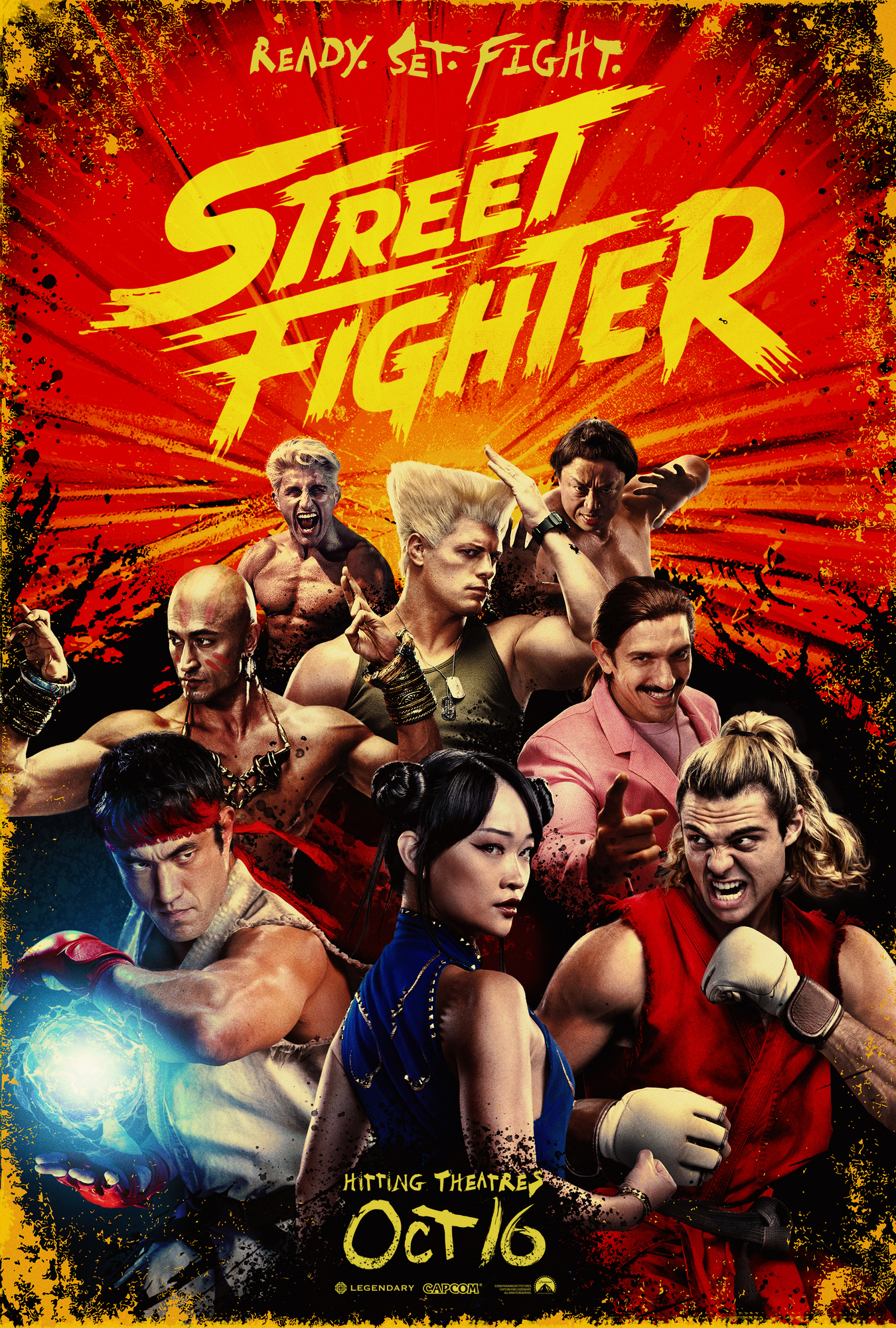
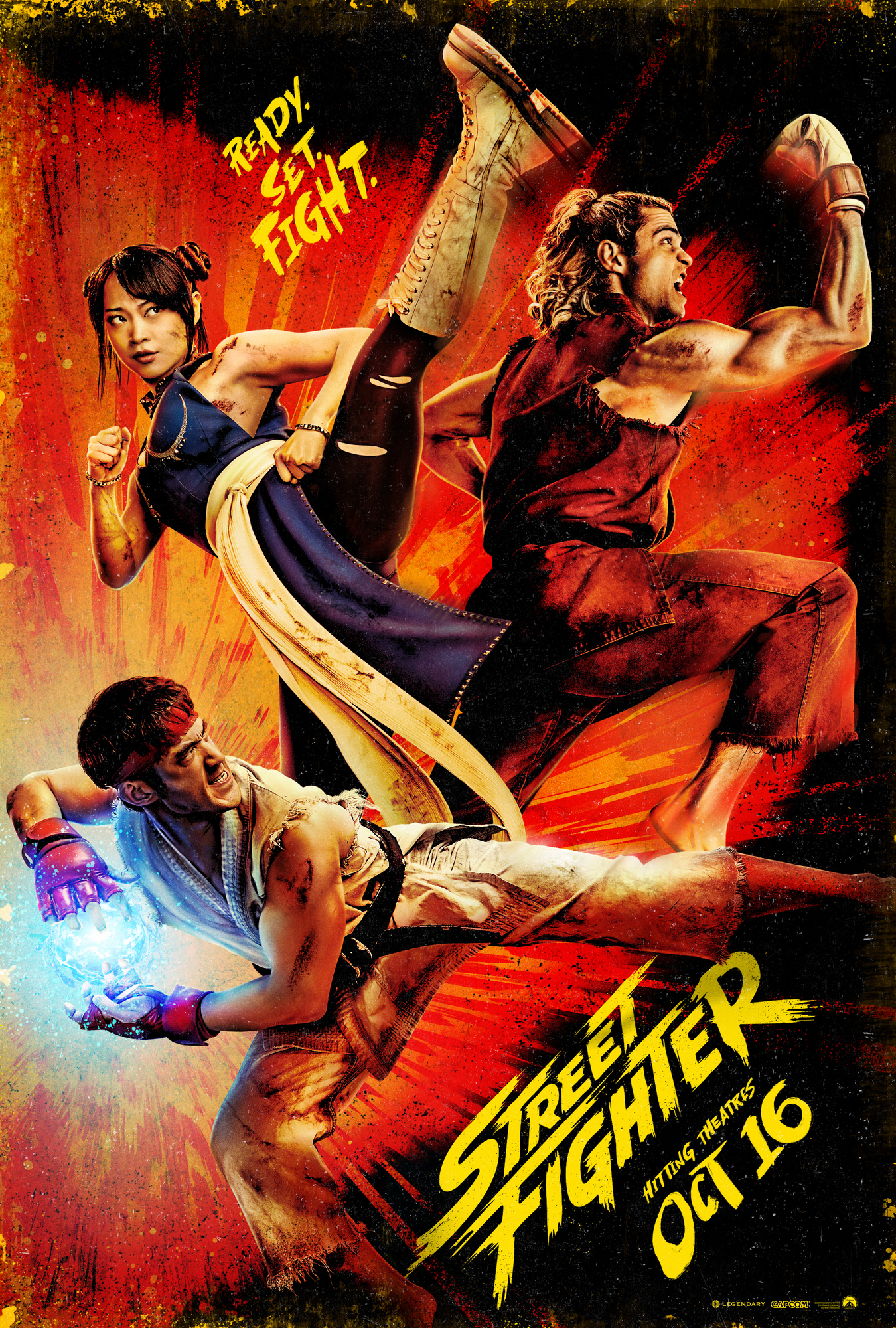
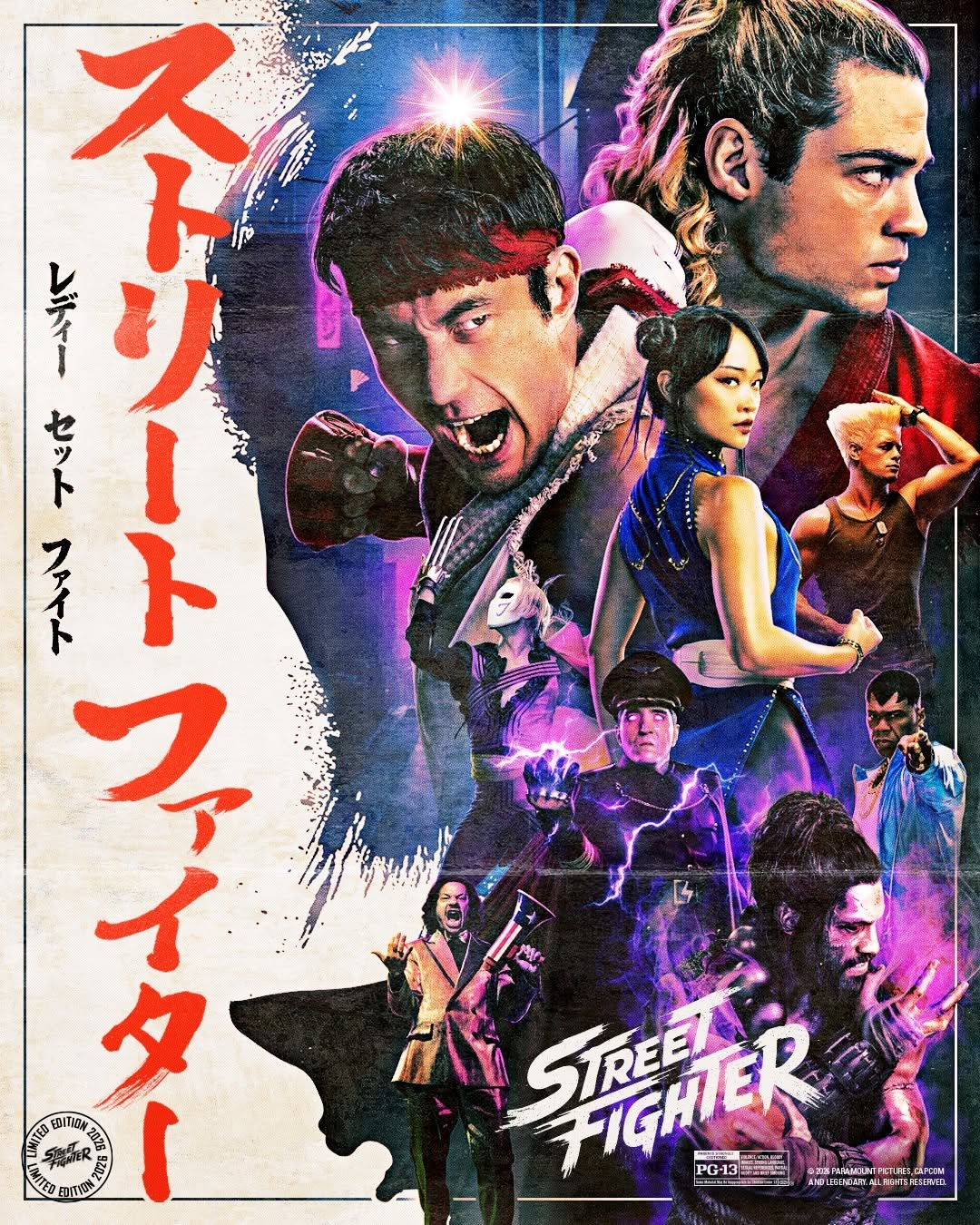
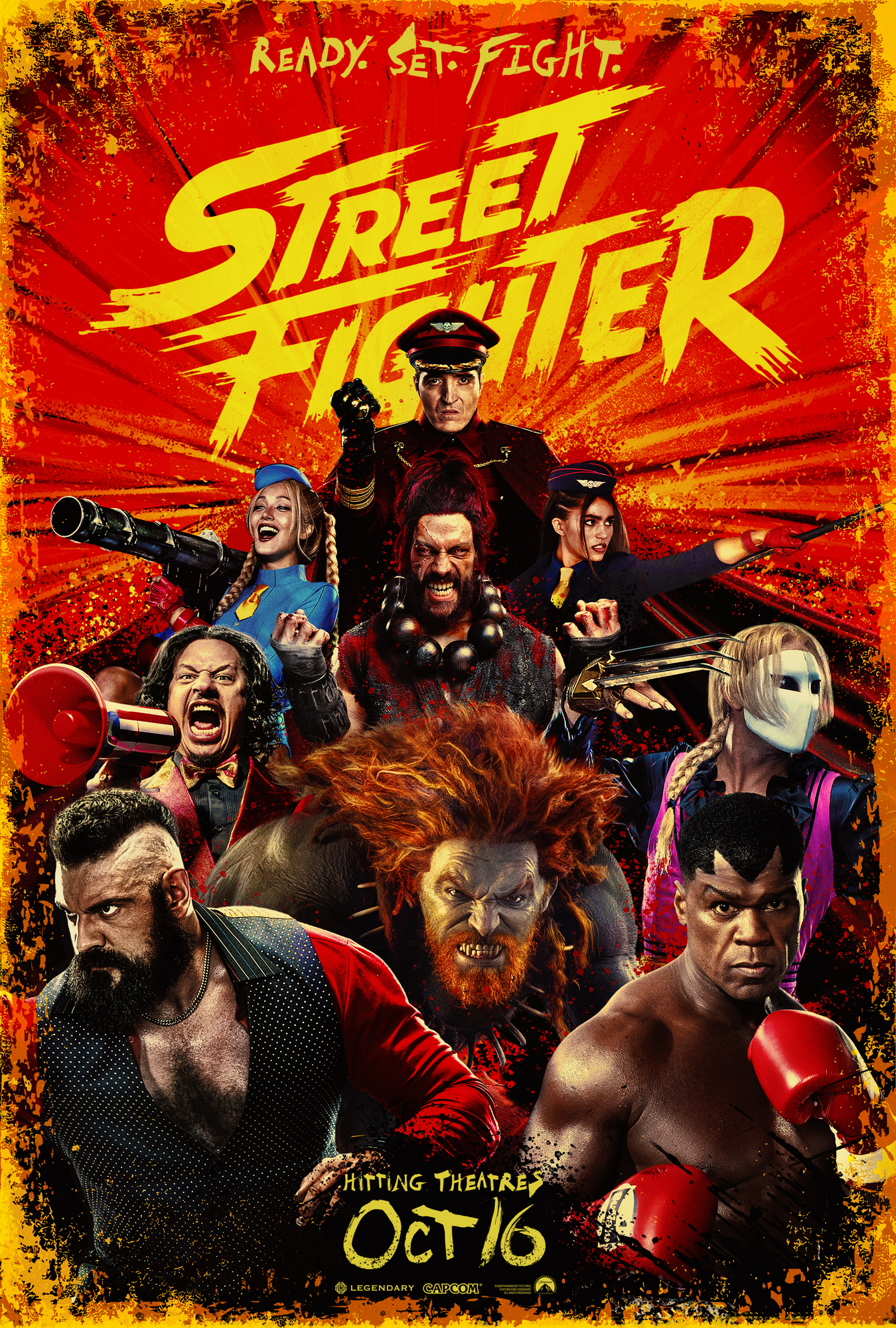
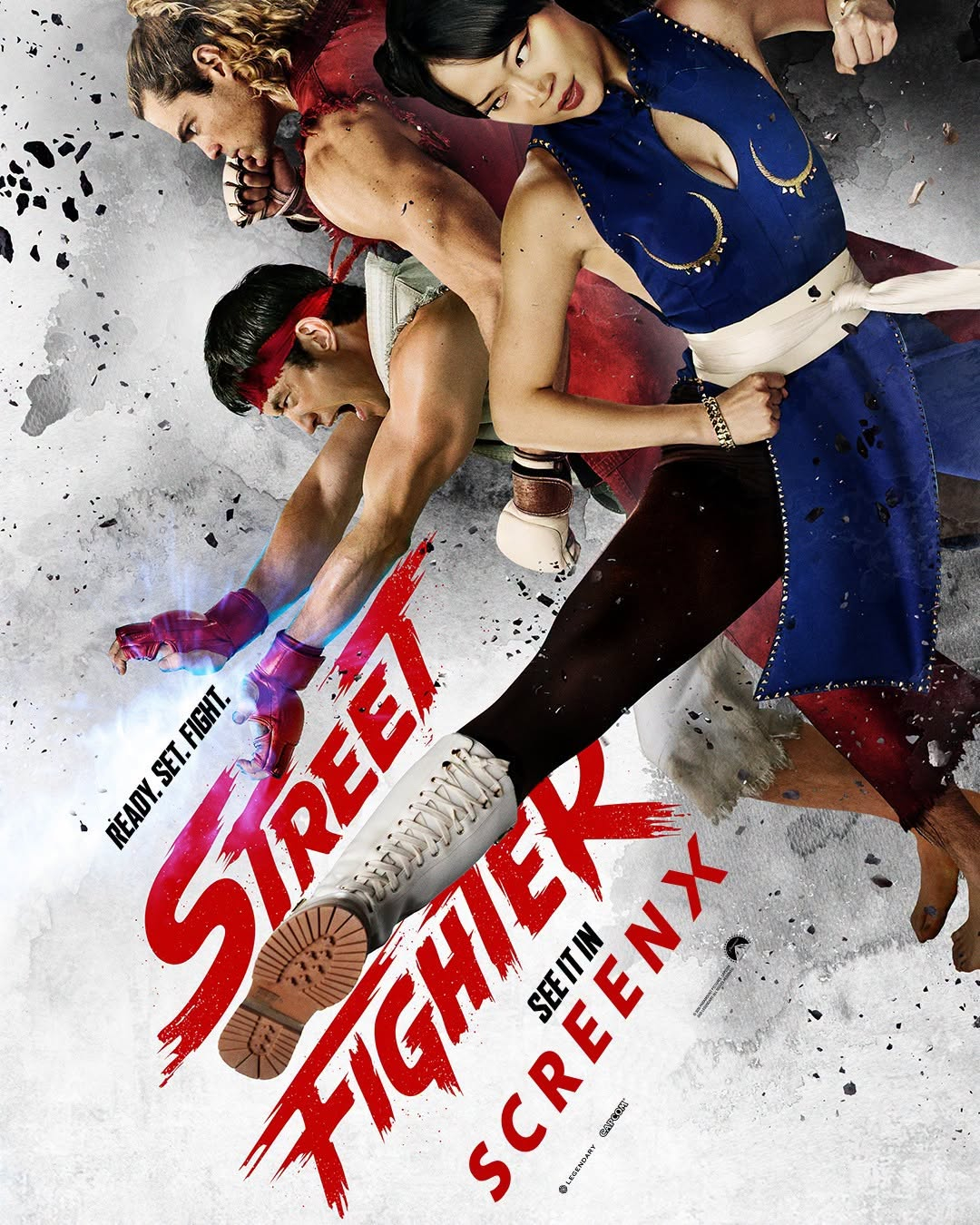
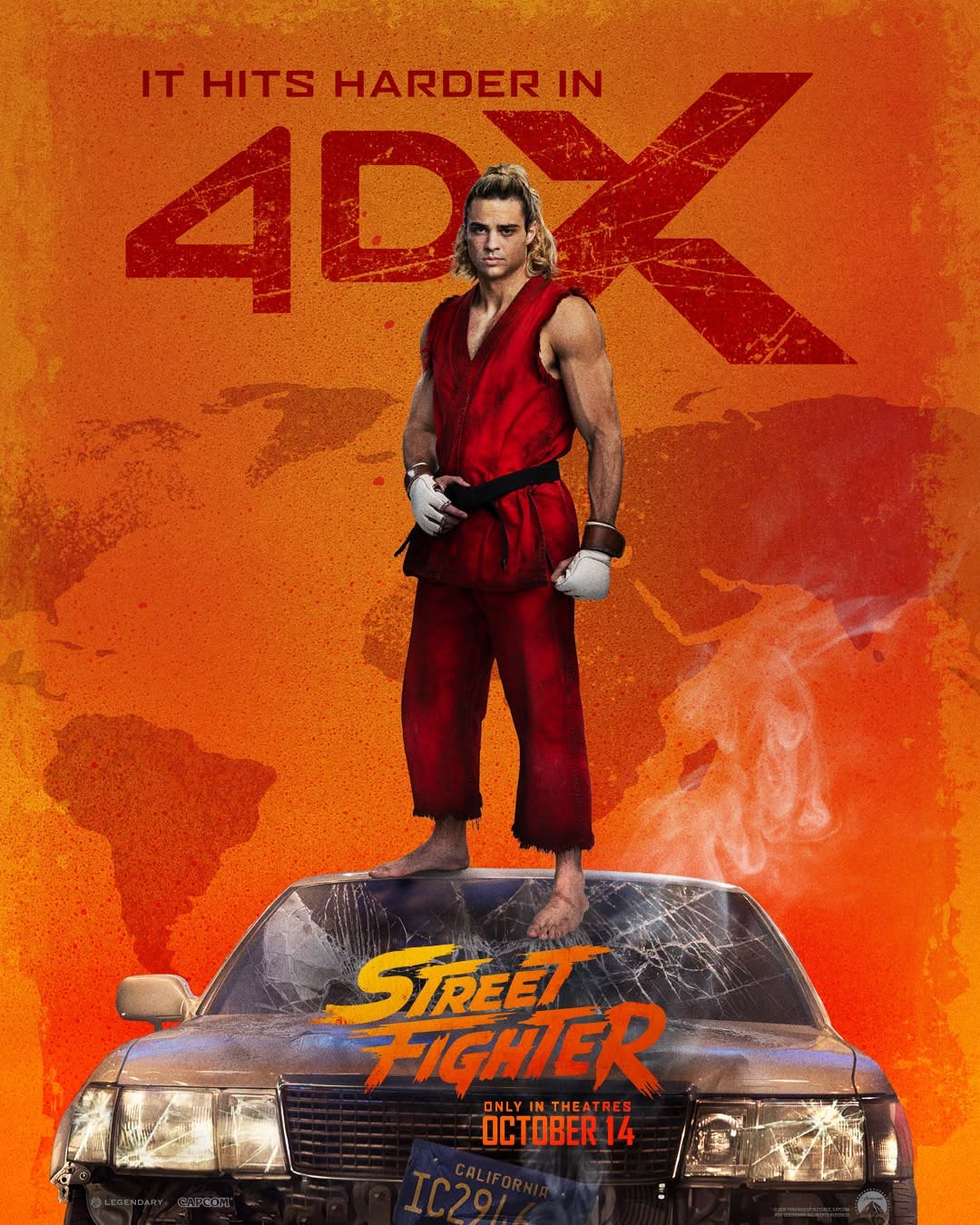
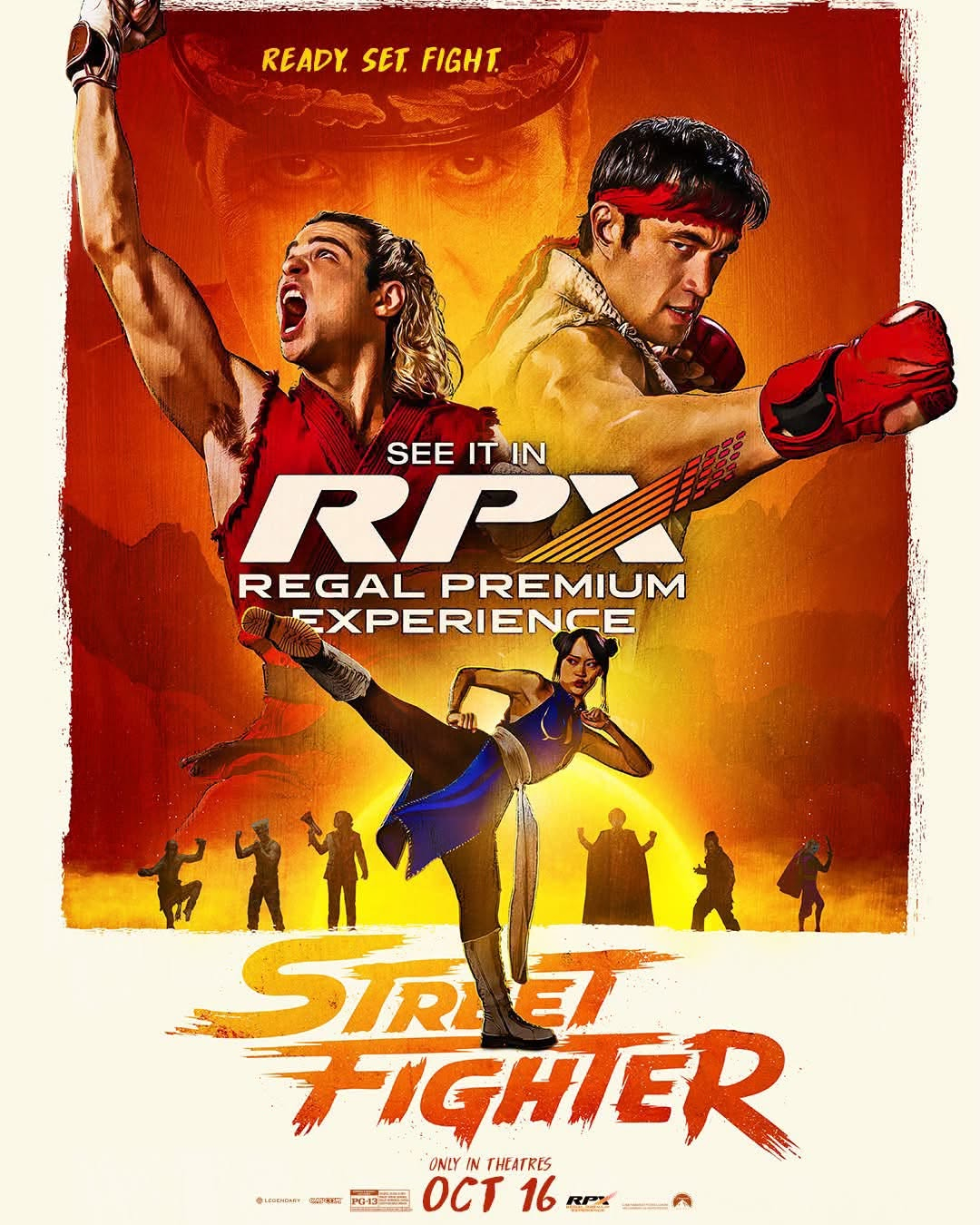
2026 has been a significant year for video game movies, with numerous well-reviewed entries and several that have drawn strong box office returns. There’s even been an upset in my rankings: Resident Evil finally dethroned Mortal Kombat, which had held the top spot since 1995. For whatever reason, I seem to focus on this a lot, without really delving into Street Fighter. The 1994 film is a big dose of campy fun, held together by a fully committed Raul Julia (his final role) and an entirely miscast-but-in-a-perfect-sort-of-way Jean-Claude Van Damme. Over 30 years later, we get another attempt at a traditional take on the classic video game series (basically the always-popular Street Fighter II, with a few pulls from other entries), and the results are quite colorful. That’s meant in a good way. While there’s enough to say about whether or not this video game adaptation can go above and beyond when it comes to key cinematic elements, at the very least, the action choreography is solid, and enough care has been put into making the film look great both in terms of representation of its source material and as a movie in general.
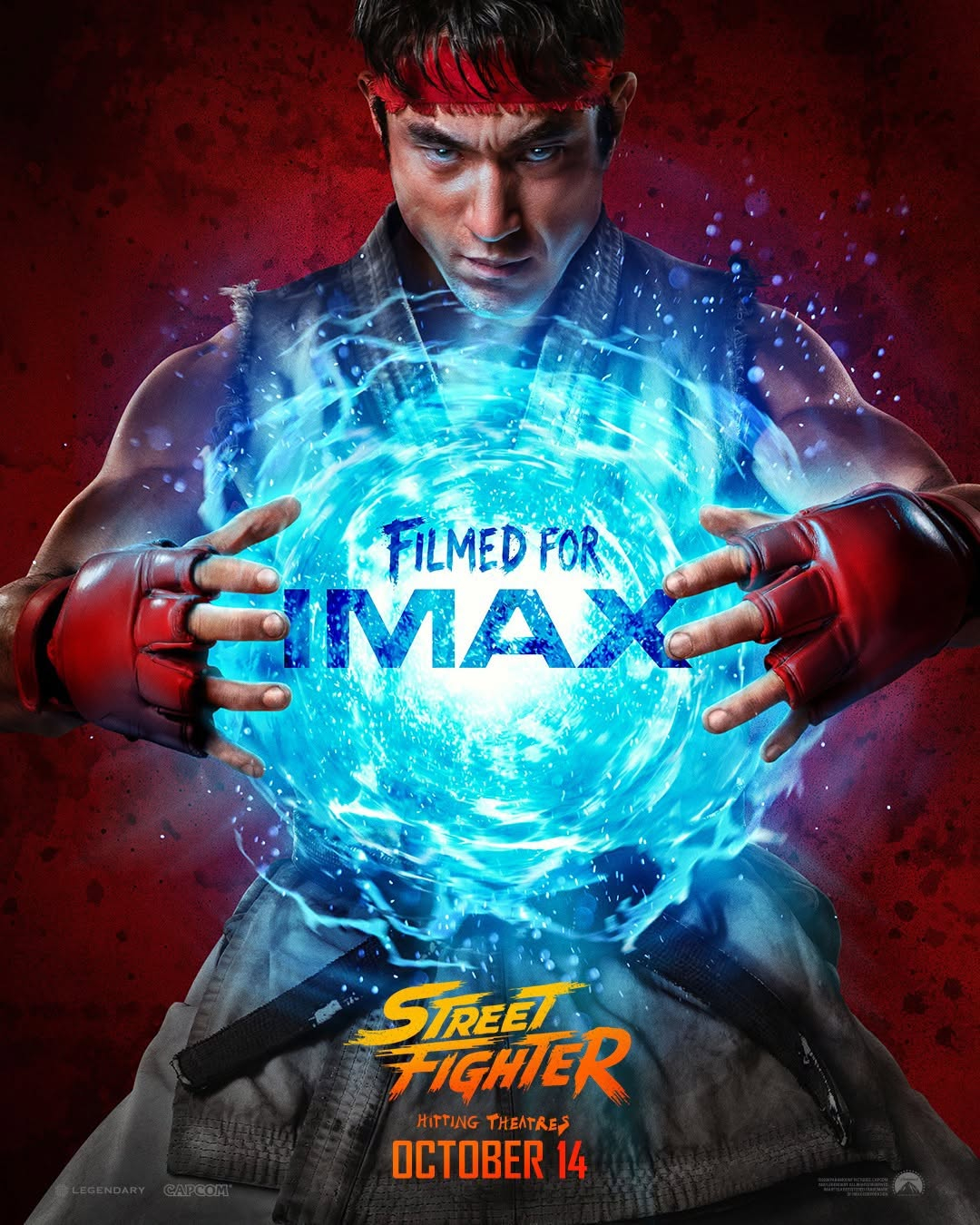
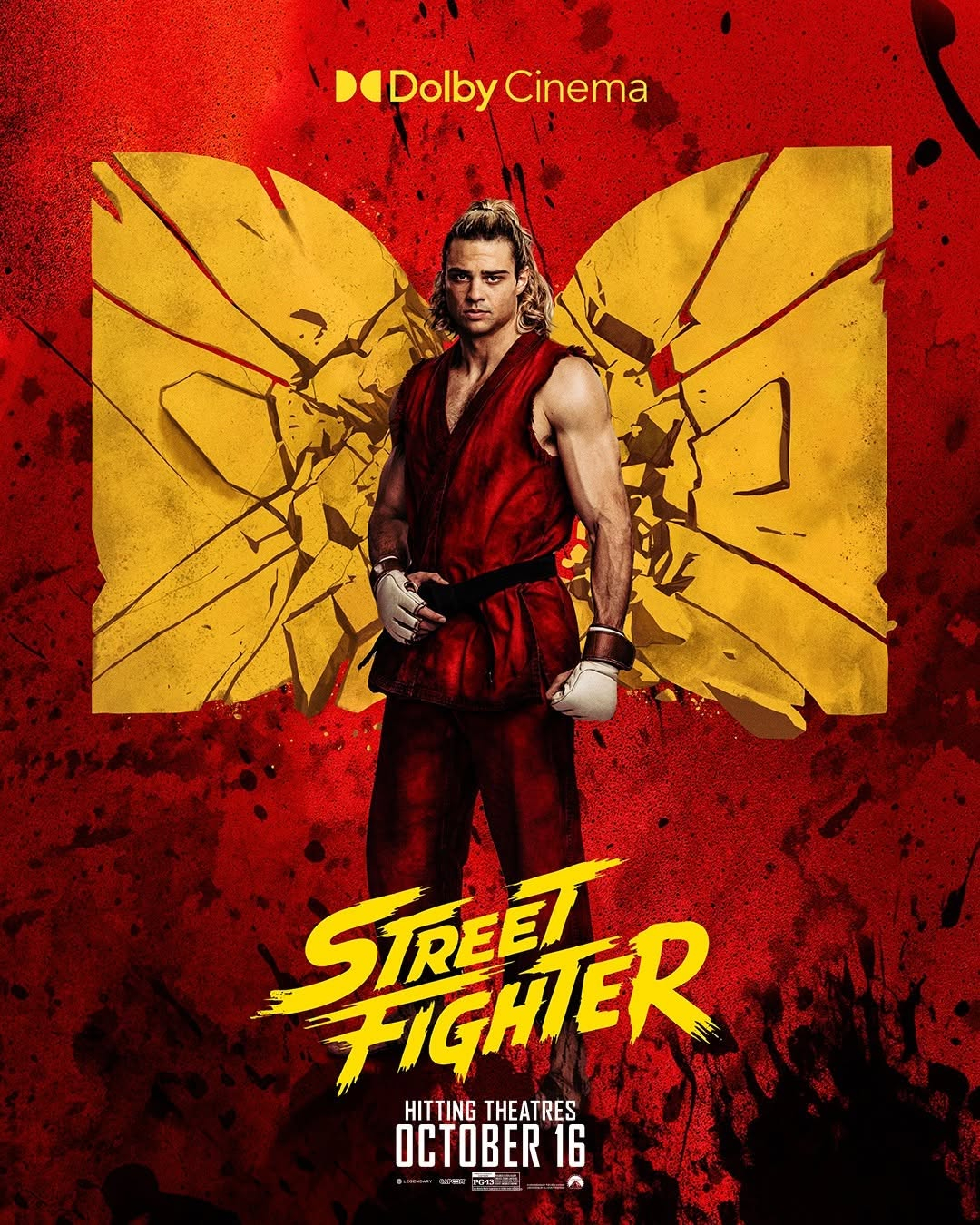
A fun thing to point out right away is that this is a 90s movie. It’s largely set in 1993, the golden age of arcade video games. This helps explain some costume choices, the movie’s tonal sensibilities, and most of the soundtrack, until the film gets too lazy to worry about those anachronisms. Whatever the case, the film is set in the 90s, though it begins with the first of many anime-style flashbacks to 1987 that establish our main characters. Ryu (Andrew Koji) is coming off a win against Sagat in the World Warrior tournament. Sadly, it awakens an evil deity known as Akuma (Joe “Roman Reigns” Anoa’i), who is bad news unless he randomly goes dormant. Worse, Ryu’s actions estrange him from his best friend, Ken Masters (Noah Centineo), causing them to go their separate ways.
See Also: ‘Gran Turismo’ Review: Beyond A Photo Finish
Not that constant comparison is necessary, but while Street Fighter games have proven again and again to be the better game in terms of playability, Mortal Kombat has a lot more fun with its lore. I point that out because this Street Fighter movie is so overly invested in its most notable character backstories that it feels unbalanced. While there’s a wide collection of performers here looking and acting the part, only so many of them can make more of an impression beyond how well they match up to the source material that it becomes a shame the writers felt the need to really hammer home the drama surrounding Ken, Ryu, and Akuma. Sure, Koji and Centineo do the work and embody their characters well enough, but I would have been happy to cut some of this repetitive material to learn more about the other characters.
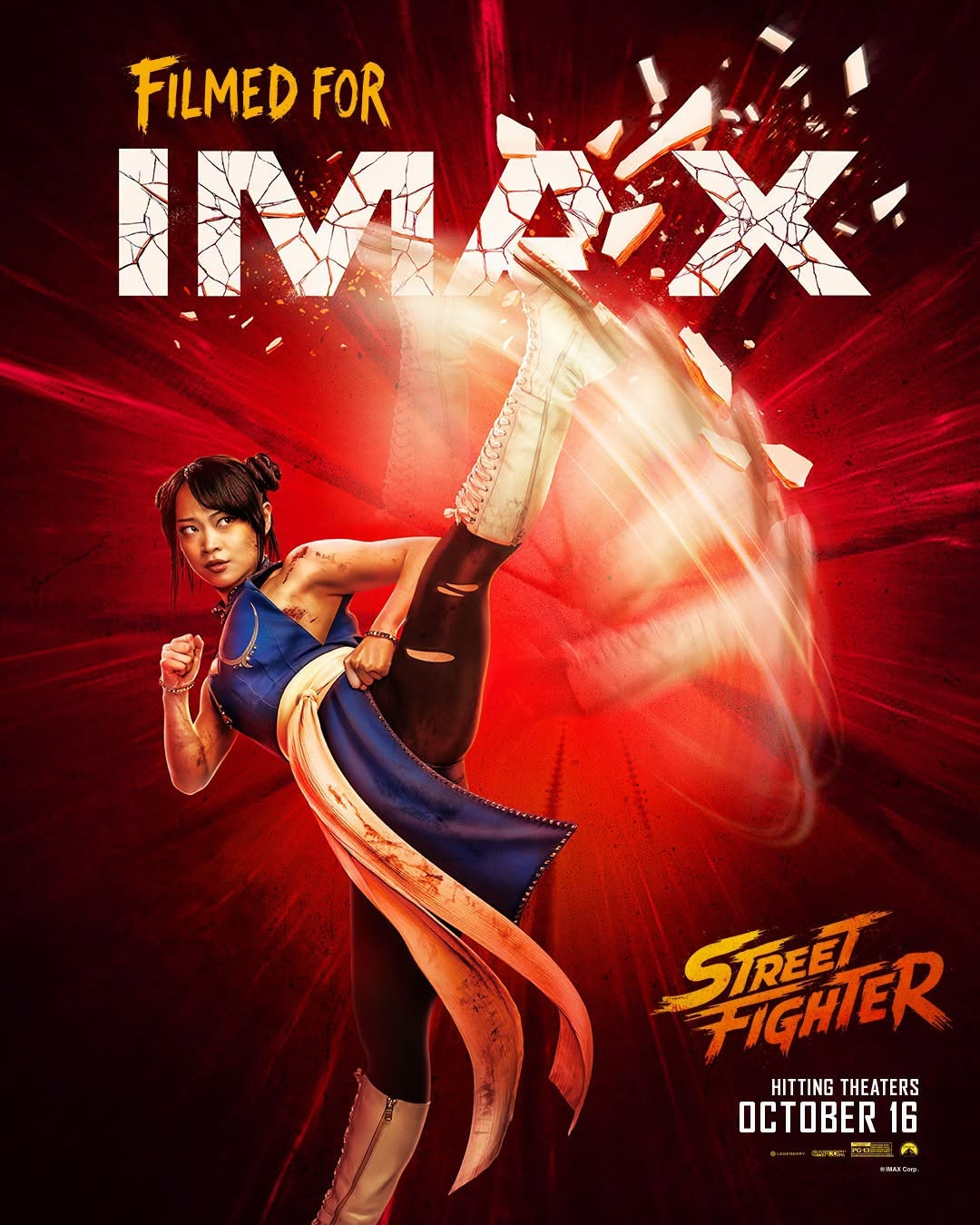
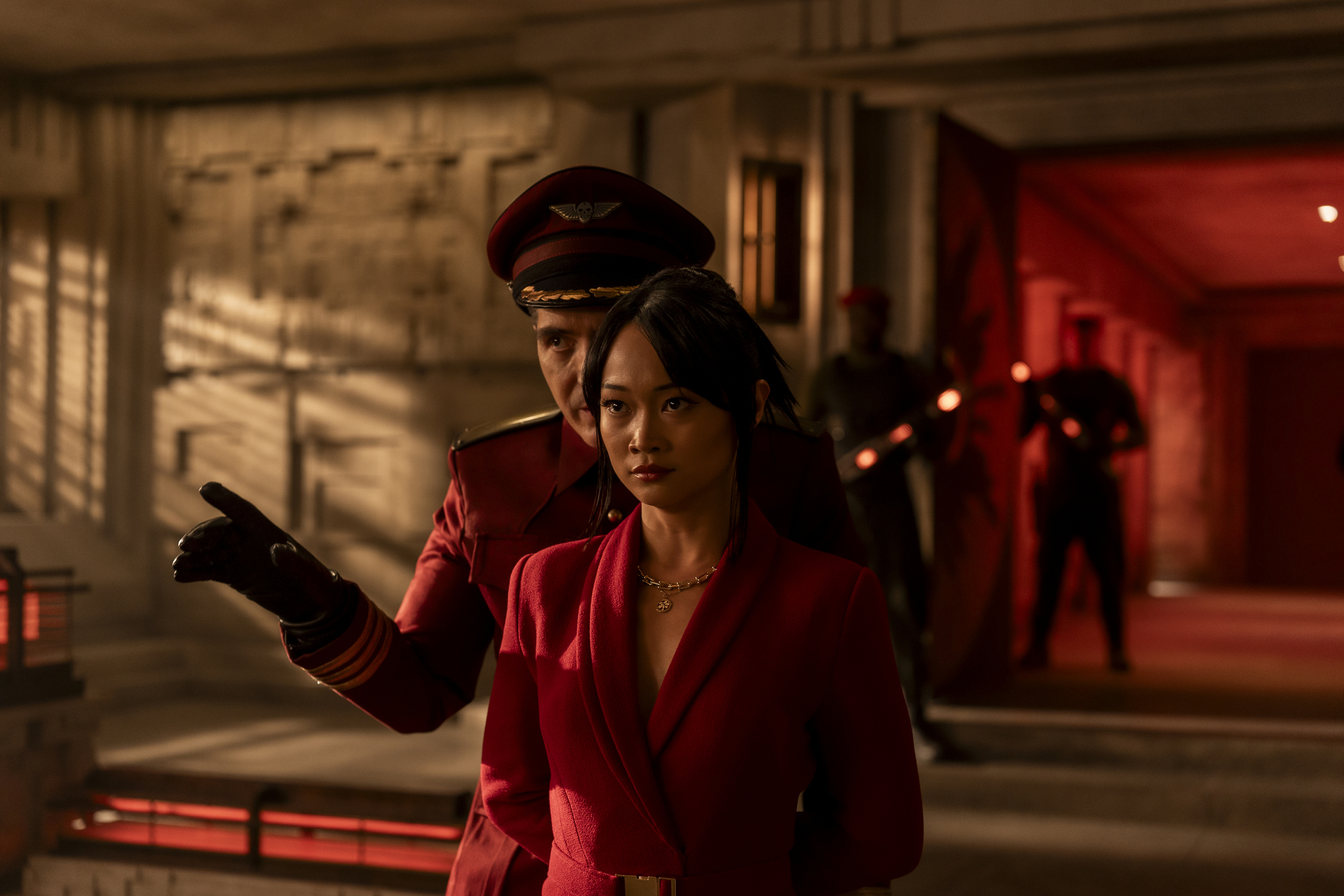
As it stands, the plot is pretty straightforward. Chun-Li (Callina Liang), an undercover Interpol agent, recruits fighters from around the world for M. Bison (David Dastmalchian, having a ball), the dictator of Shadaloo, who is hosting the second World Warrior tournament. However, this is really just a way to find the strongest fighters he can (specifically Ryu), so he can enact his plan to extract their power and inject it into himself. That said, the assembled characters end up in several fights inside and outside the ring, as our heroes come to terms with each other…and unlock their ability to throw around fireballs.
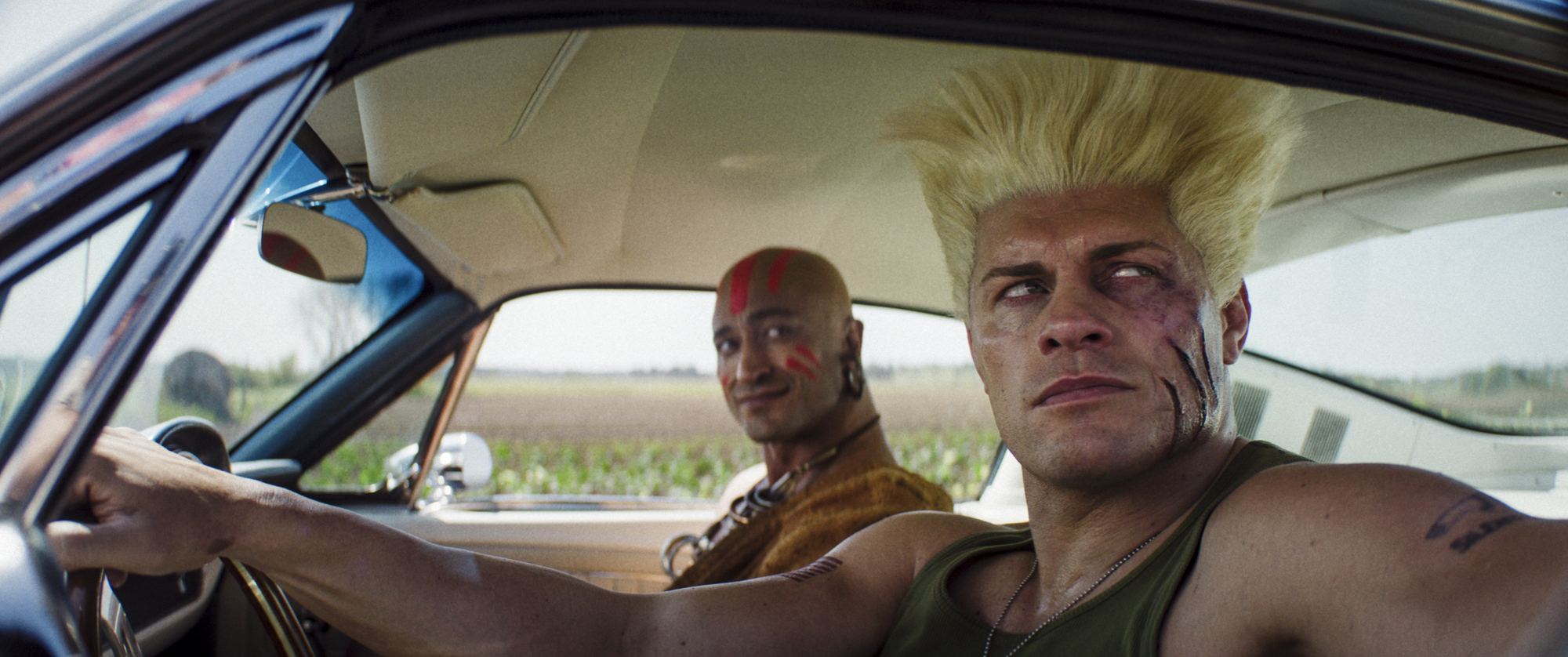
Because the story is so off-balance, the movie is all over the place in giving a basic sense of what’s at stake, which characters matter most, and what their relationships are. Sometimes this works for the film in spite of it all. Pro-wrestler Cody Rhodes is a hoot as the all-American Guile, rocking a ridiculously high flattop and matching his aggression with a personality that is essentially Maverick watching himself in the volleyball scene from Top Gun (this movie is surprisingly homoerotic, and it’s turned on by itself). Similarly, Dastmalchian gets to have a lot of fun leaning into the exasperation of someone who wants to be the best, but lets little distractions easily frustrate him.
On the other hand, while well cast and providing what’s needed visually and in action, characters like Balrog (50 Cent), Vega (Orville Peck), Dhalsim (Vidyut Jammwal), and Zangief (the giant Olivier Ritchers) only offer so much, despite having a level of charisma that made me want to see a lot more of them. I don’t need a Robert Altman-style take on this material to get a sense of how to watch this ensemble work, but pairing the loose main plot with the overuse of backstory around the two leads leaves everyone else gasping for air.
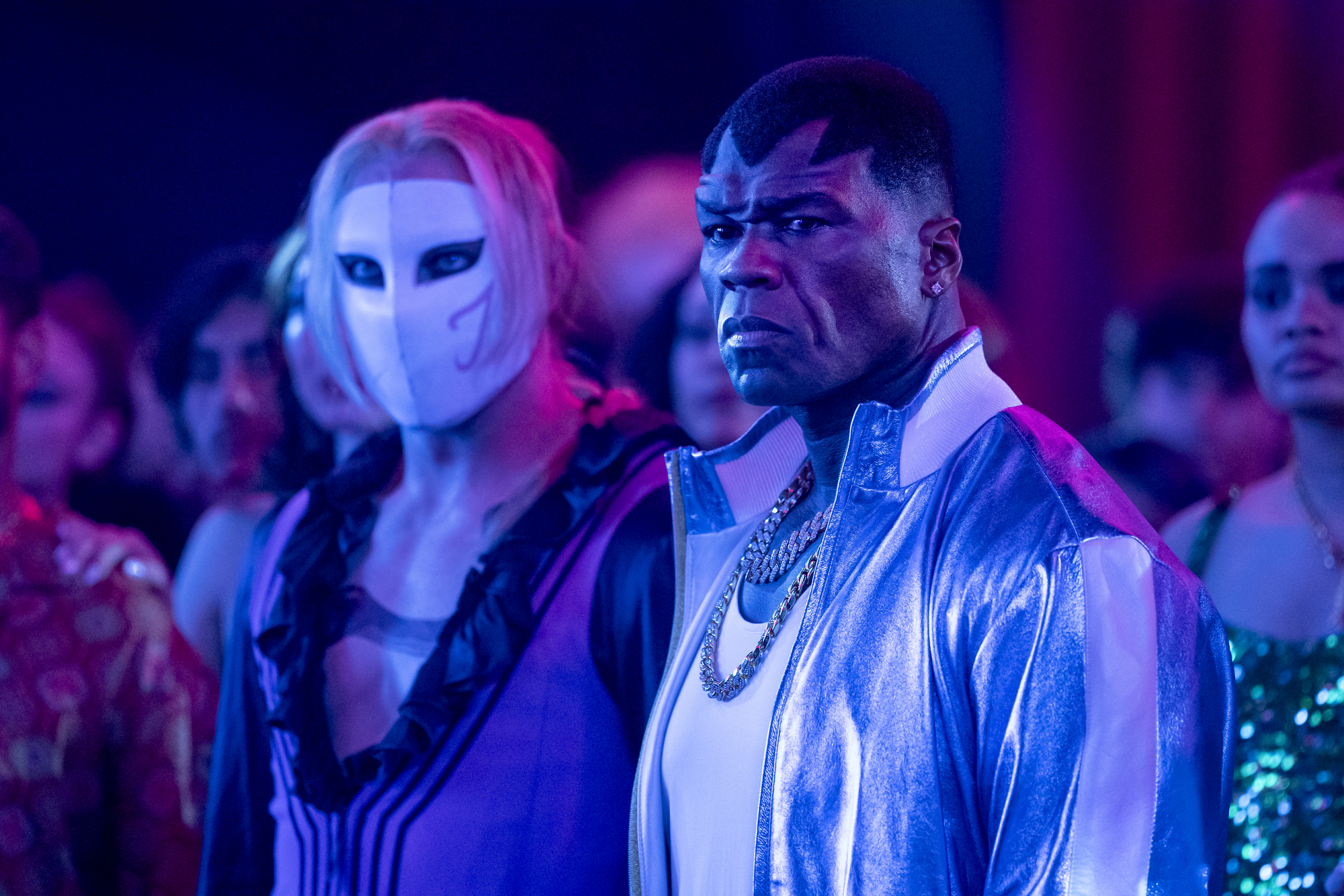
Now, it’s not as though a stronger balance would suddenly improve other aspects of the writing either. A solid energy level that matches what the film is after is important here, because otherwise the dialogue and exchanges are pretty uninspired. It’s the sort of trade-off that comes from casting actual martial artists and bringing in plenty of international representation for a film where the script isn’t exactly in great shape. That’s definitely the case when it seems clear that irritating comedian Andrew Schulz has been made into an exposition-dump machine, with way too much room to function as a character I’m told I need to see more of. Liang at least rides the melodrama train well as Chun-Li. Eric André, star of many of director Kitao Sakurai’s works, is also fun, bringing his chaotic comedy to Don Sauvage, an announcer held against his will.
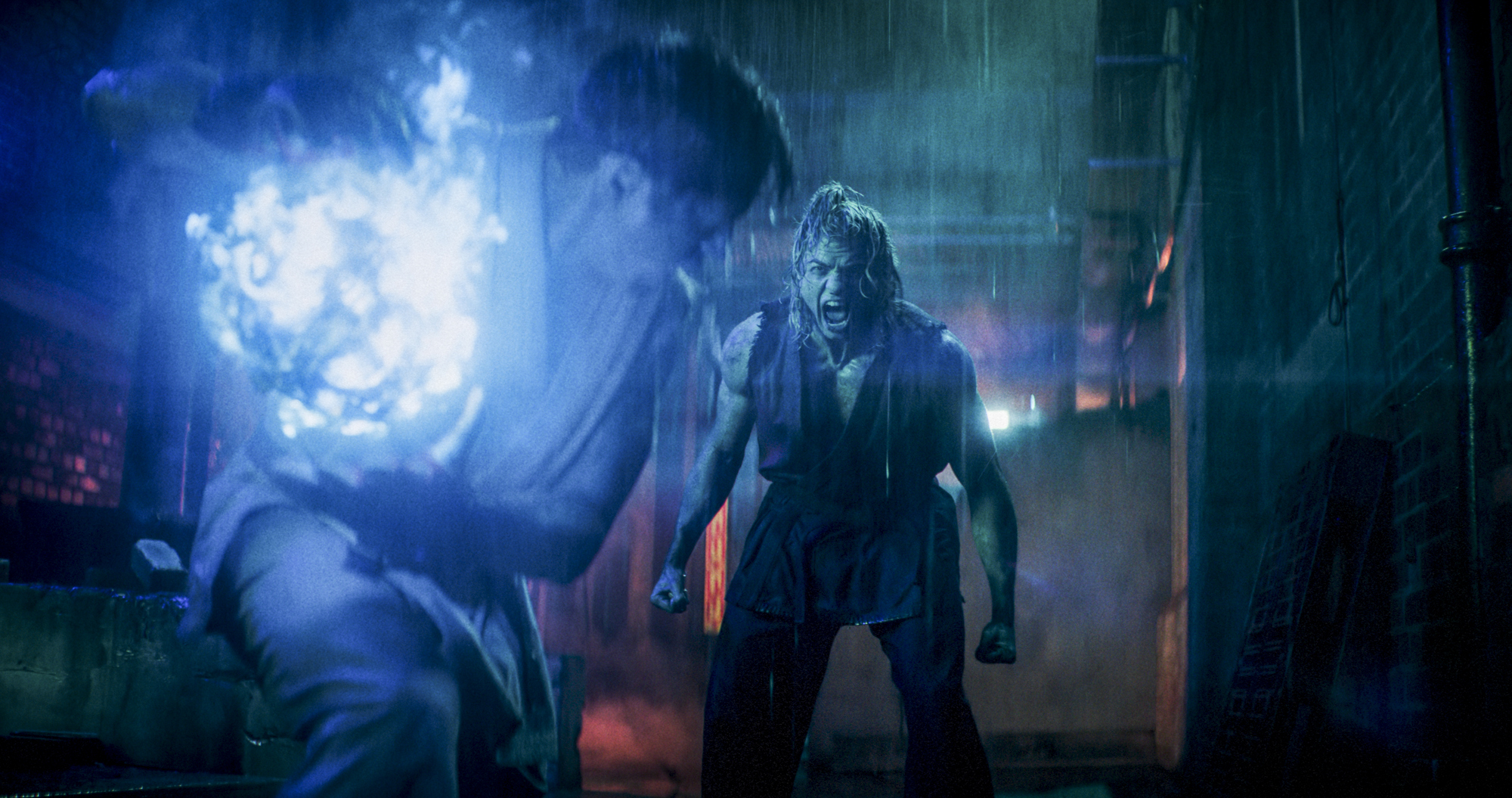
Much of this is at least resolved by what most of the audience came to see: wildly destructive fights involving very strong people. While we’re not looking at the great world of DTV action cinema in terms of underpraised elite choreography and editing, this film still does the job, treating the fight scenes as if they were live-action anime. We watch signature moves get used, characters bounce around the screen from great heights, and everyone takes an inhuman amount of damage, only to get up and go back at it with other fighters. Outside of an over-convoluted, somewhat misleading finale, the action never gets exhausting to watch, which is good news for a Street Fighter adaptation.
With that in mind, the film’s ending leaves a lot to be desired. Without getting too far into things, you have to hope there’s more to come in a future entry, because this movie leaves you hanging in a way that feels less like too much of a good thing and more like being denied a satisfying conclusion. I could argue that the chemistry between some characters makes me want more, but the film’s structure still feels like it’s missing something that could have made it stronger.
Keeping what I said about 2026 in mind, it’s worth noting that this movie still ultimately lands on the fun side. There’s not a high enough bar for my issues with the film to make it feel like it’s not capturing the right kind of energy for something like this. I just hope there’s an understanding of what can be handled better next time. It clearly seems possible. When Jason Momoa’s Blanka (a mutated electric green monster) ends up being one of the best parts of your movie due to a strange amount of introspection that works for him and his opponent, there’s certainly a chance to get even more stuff like that handled well in the future. So yes, this may not quite be the Champion Edition take on Street Fighter, but it has enough turbo energy to push it close to something stronger.
Street Fighter opens in theaters and IMAX on October 16, 2026.