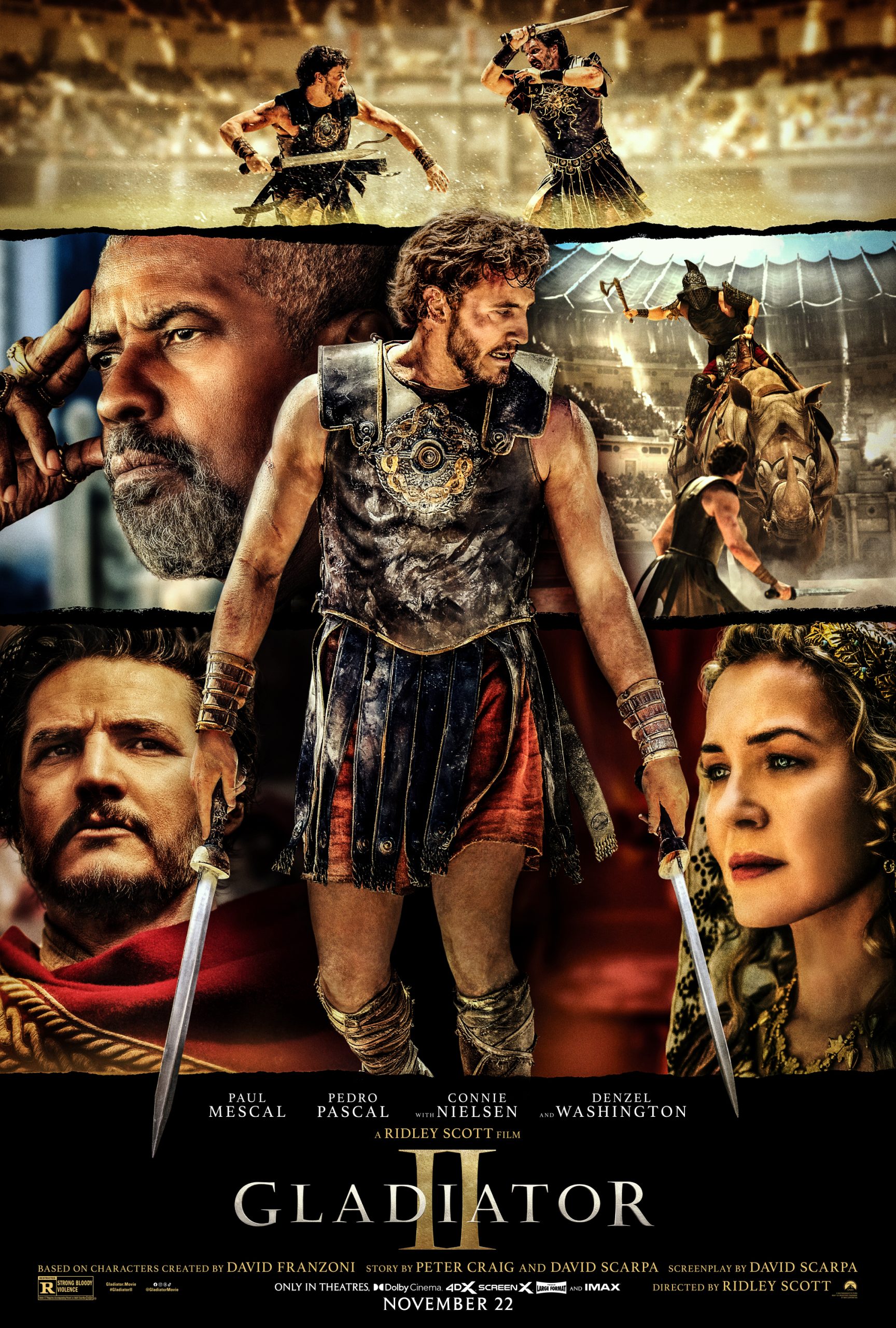
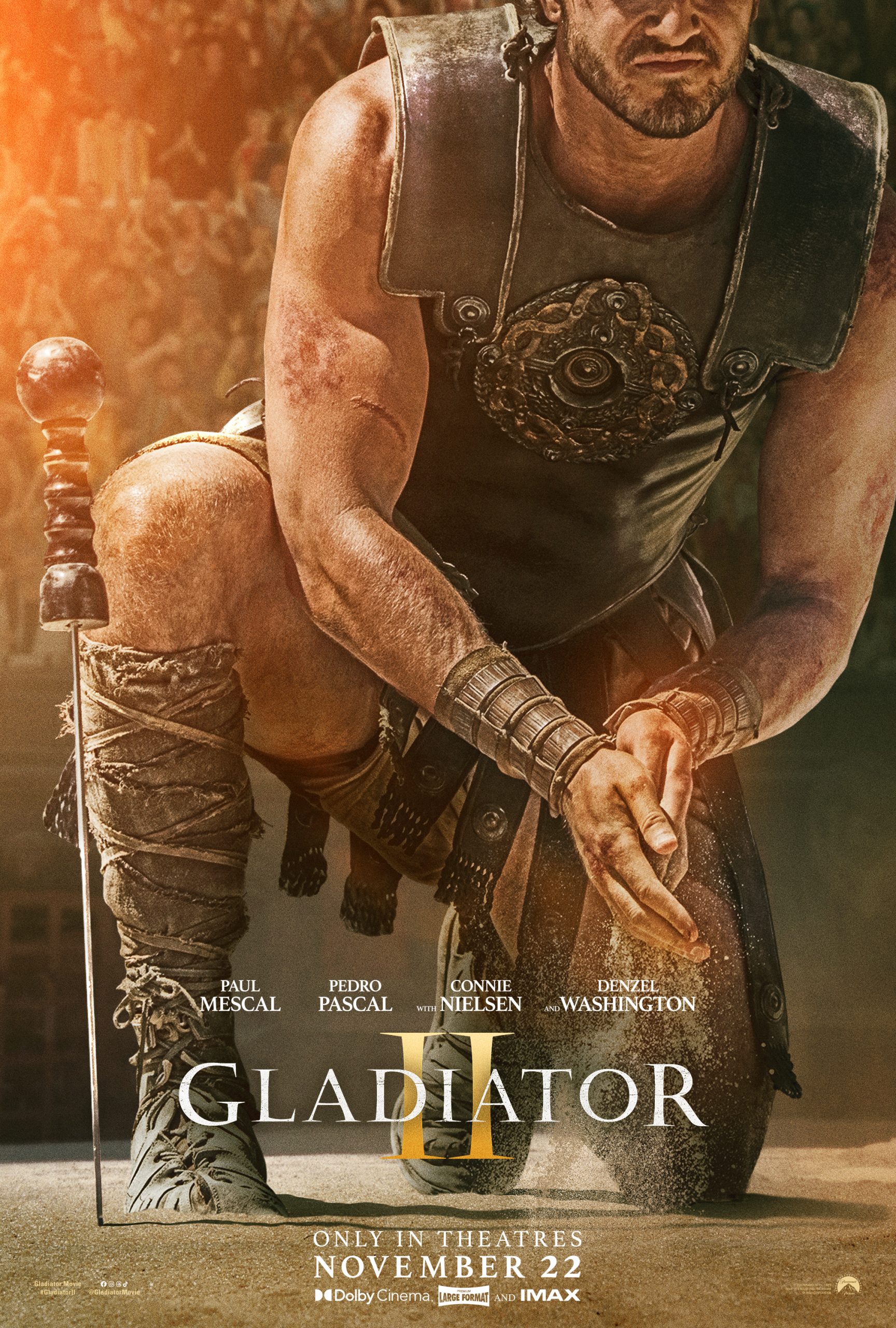
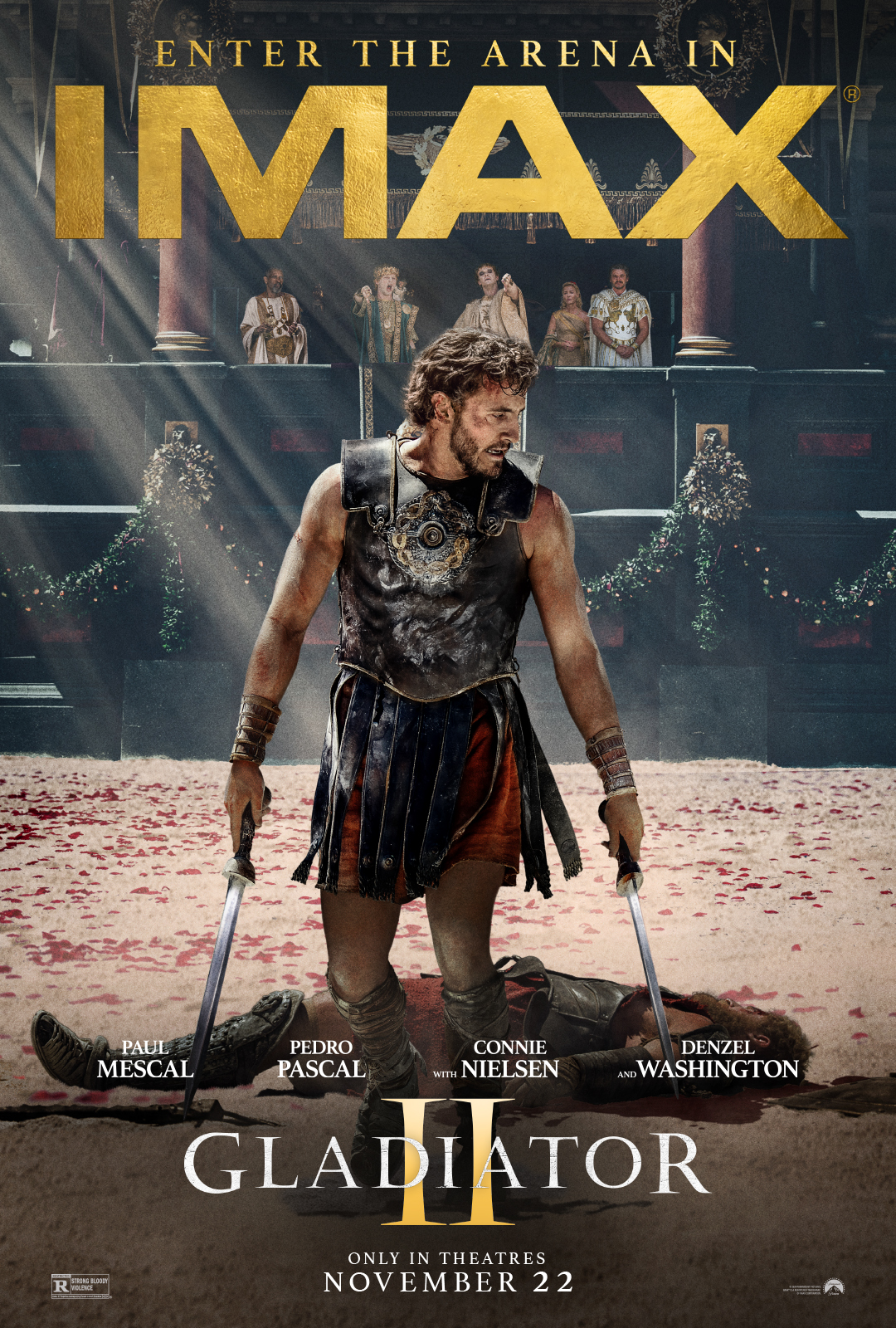
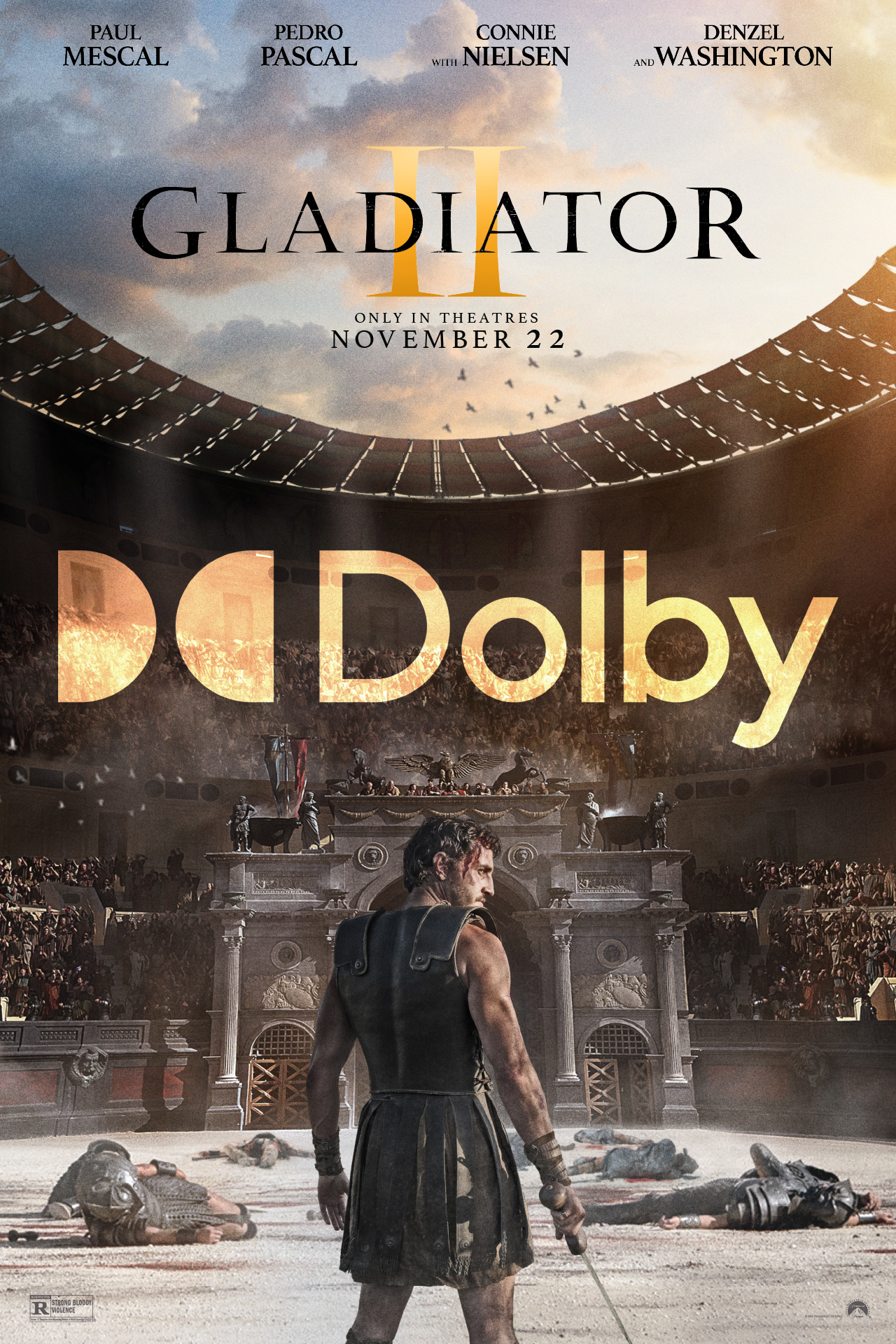
Where there’s a will, there’s a way, which seems to have been the case for Gladiator II, a sequel director Ridley Scott has had in some stage of development since the 2000 blockbuster hit won Best Picture. Rumors of different ideas concerning the history of Rome and the Roman afterlife (in an effort to keep Russell Crowe involved) were discussed, only to finally be settled with a script that, more or less, evokes some aspects of the original while charting a new course for a variety of characters to take over. The results are pretty fun. Much like the first, the film succeeds far better as a historical action movie than one worth taking seriously regarding the political dealings at play. Seen from this perspective, it’s another action-heavy melodrama that flourishes based on Scott’s incredible craft and a few notable performances to provide that much more dramatic heft.
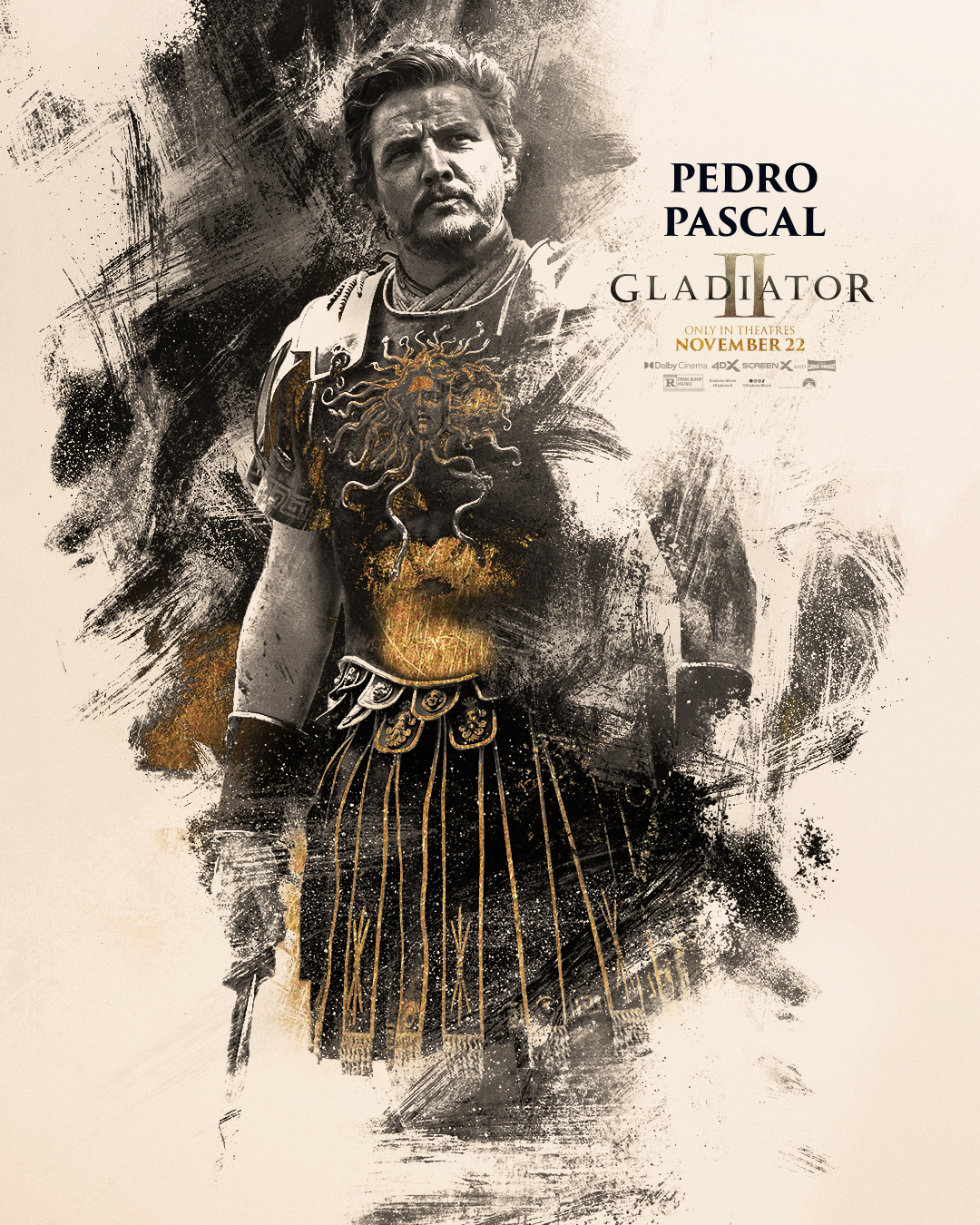
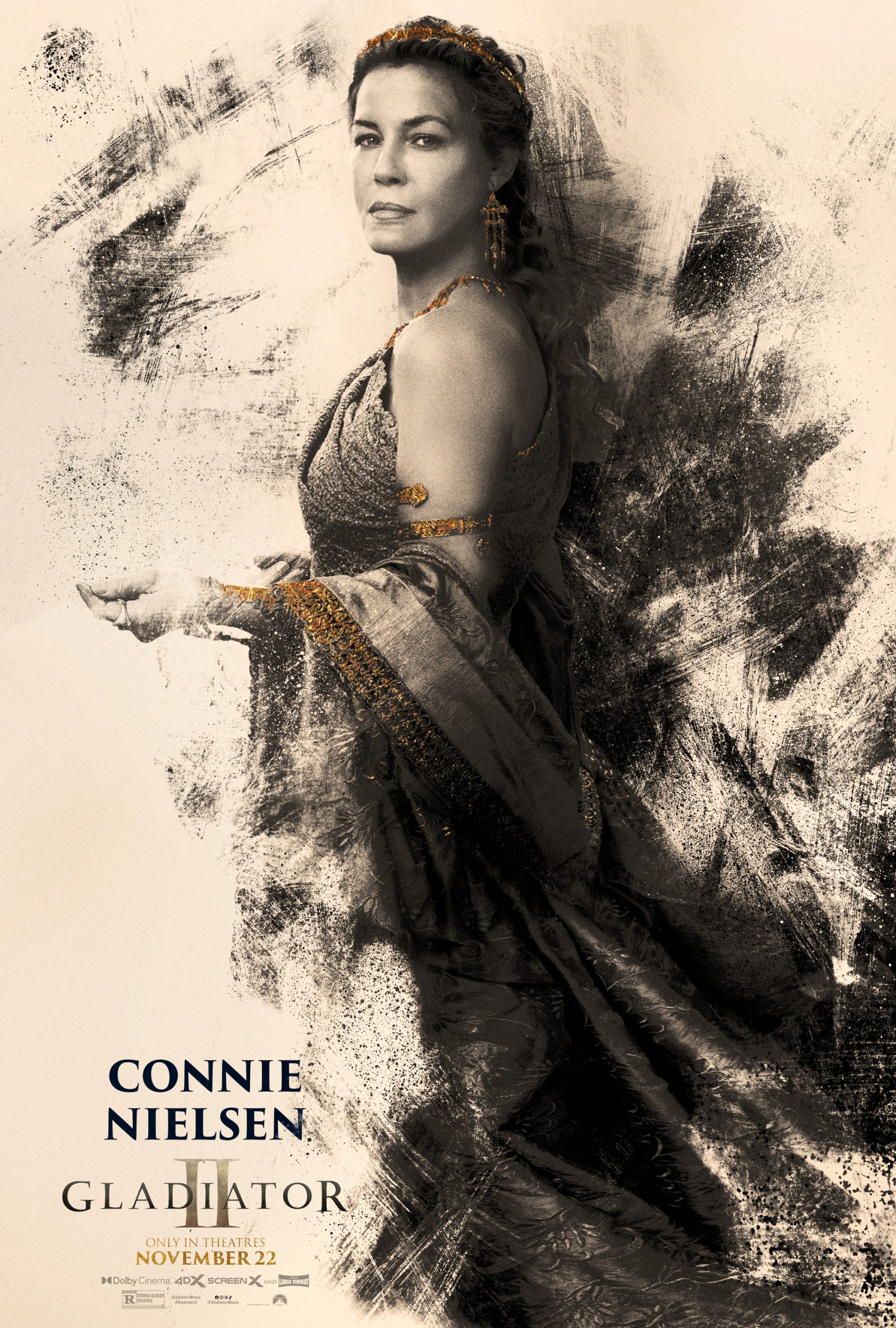
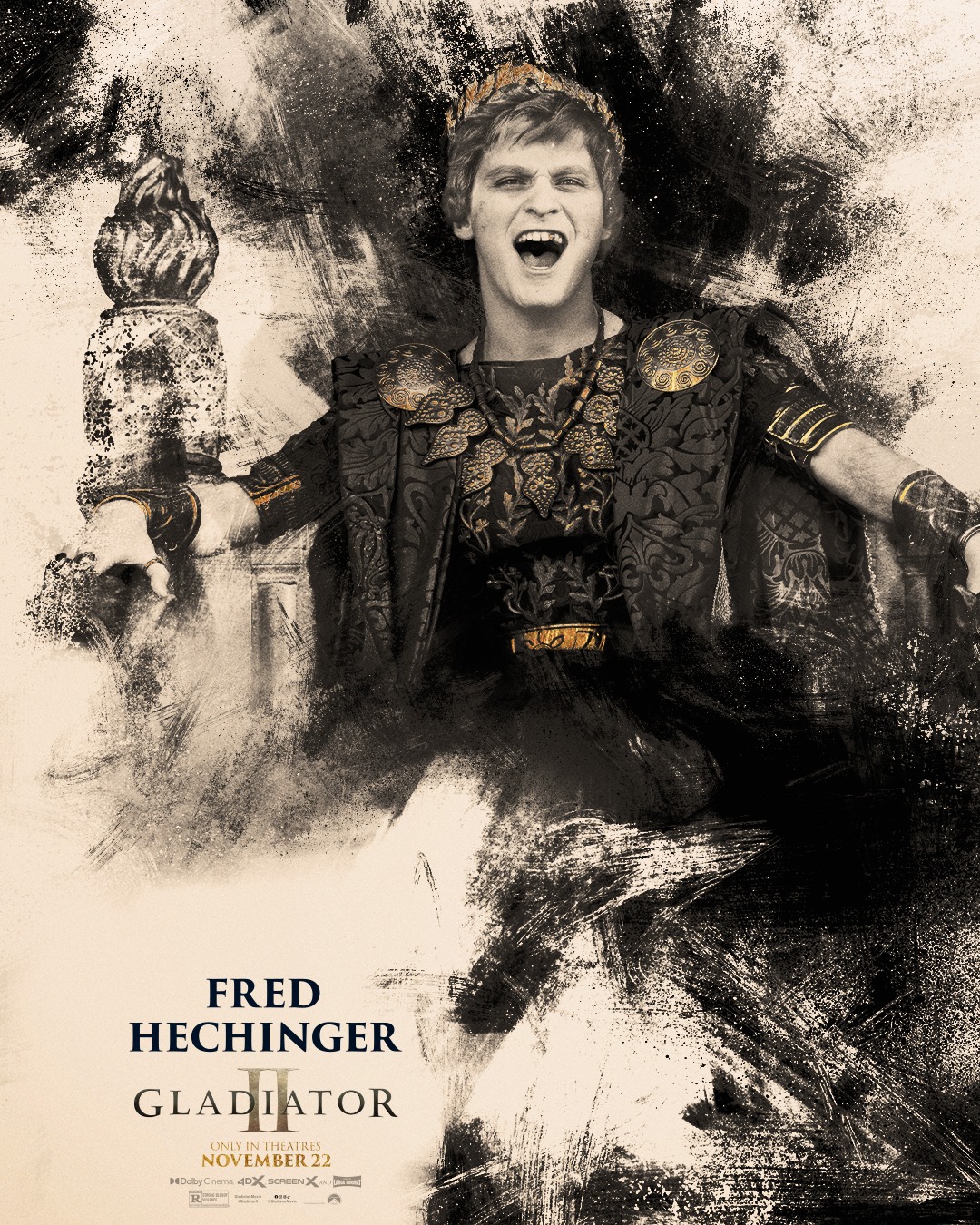
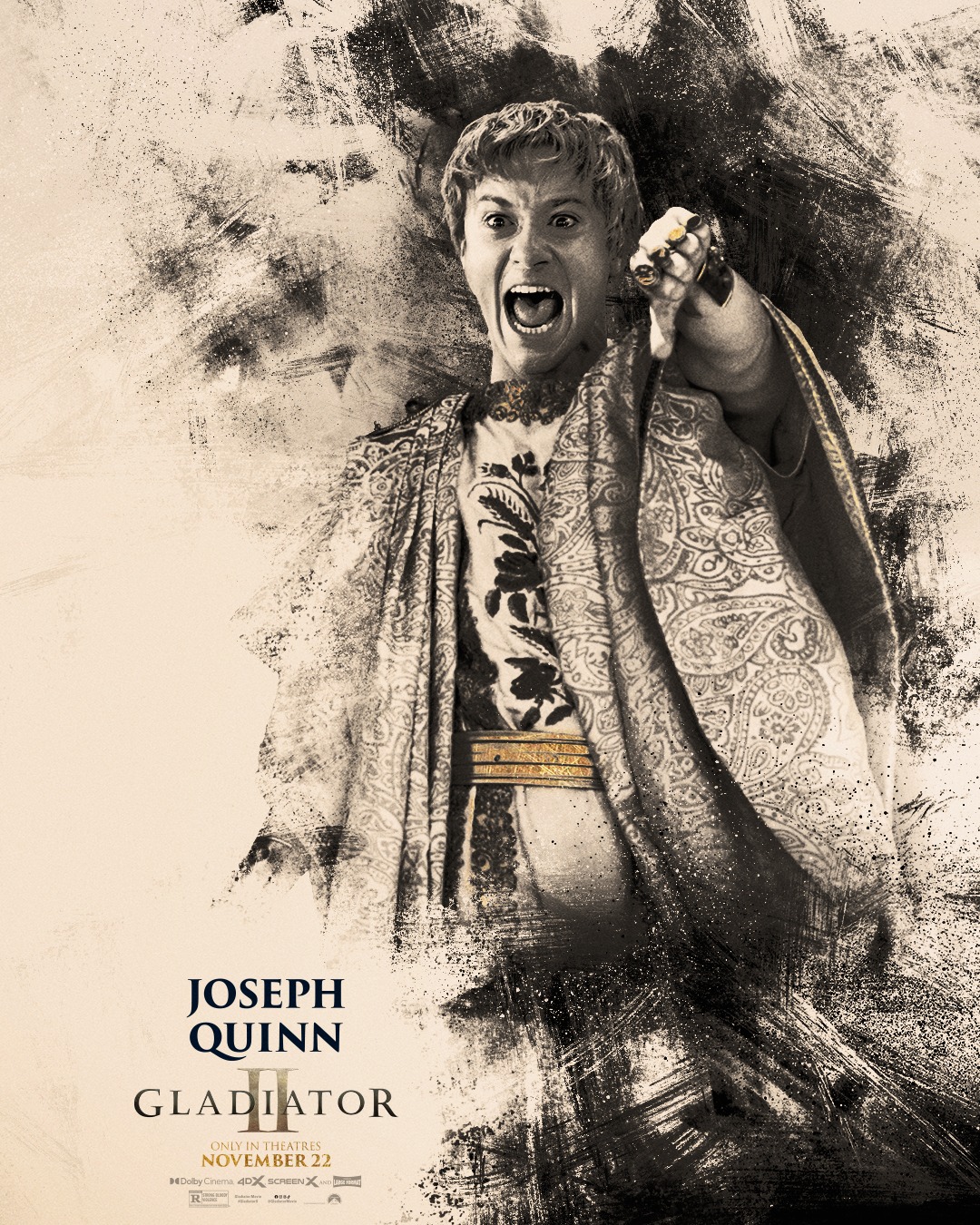
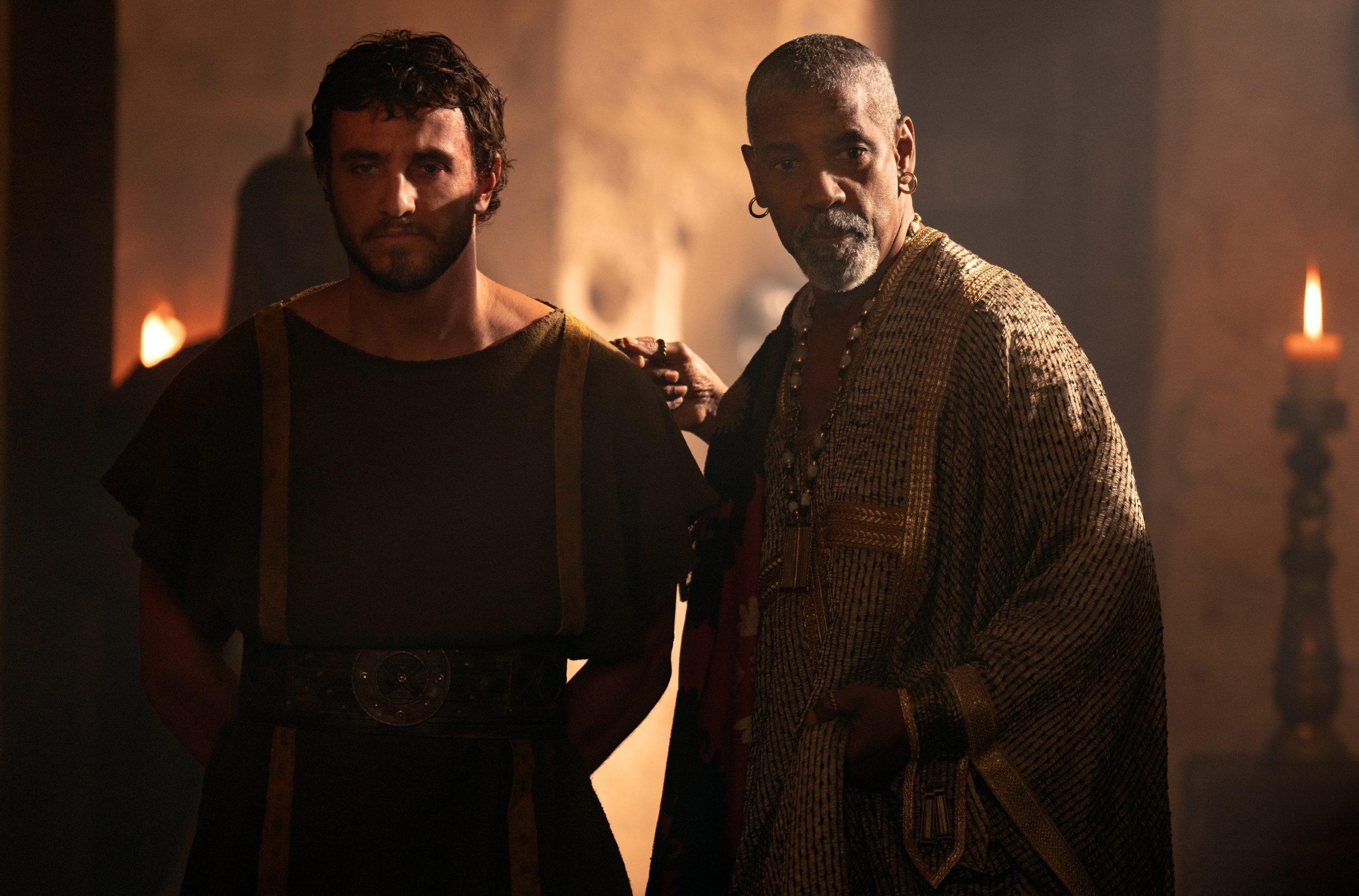
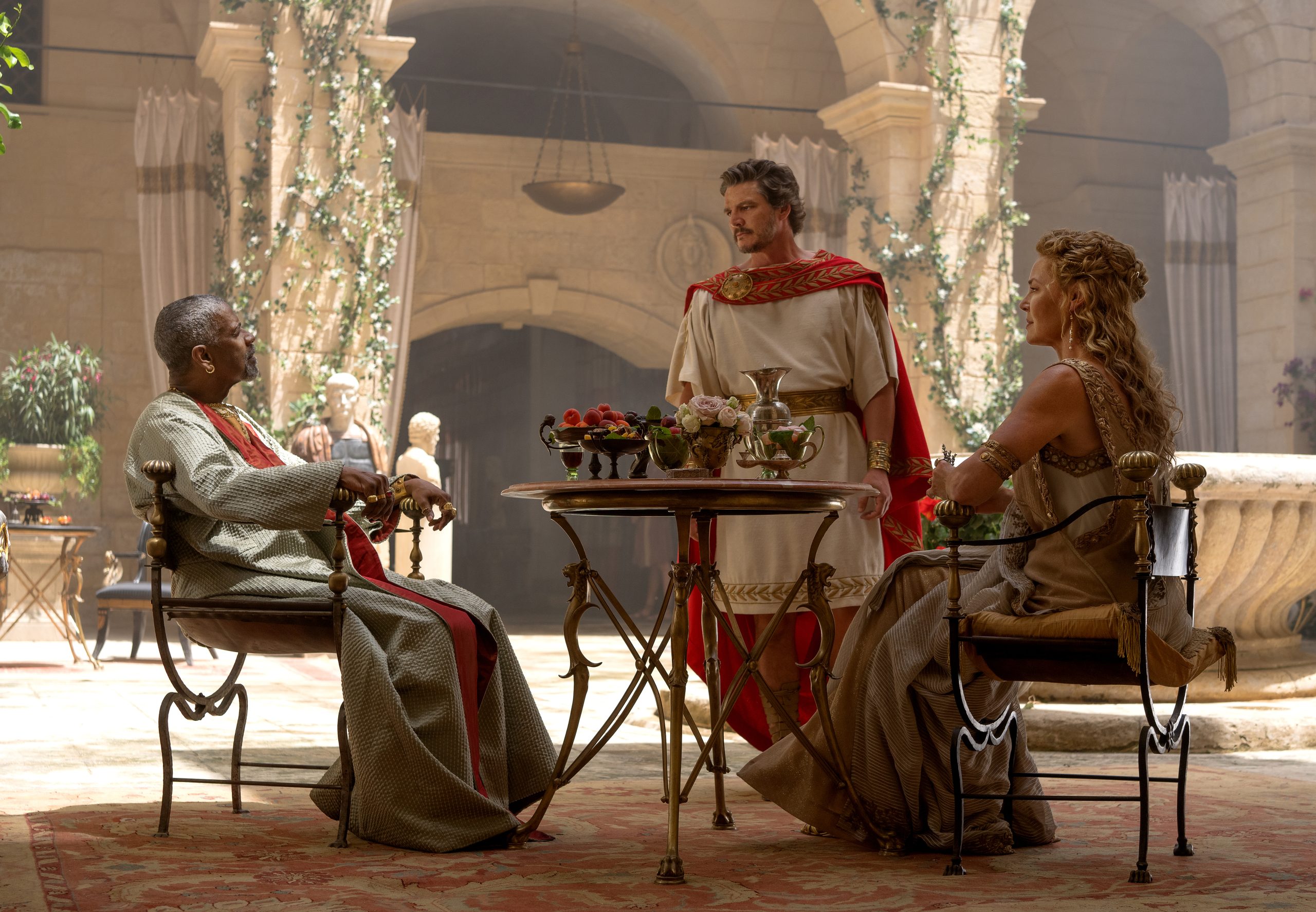
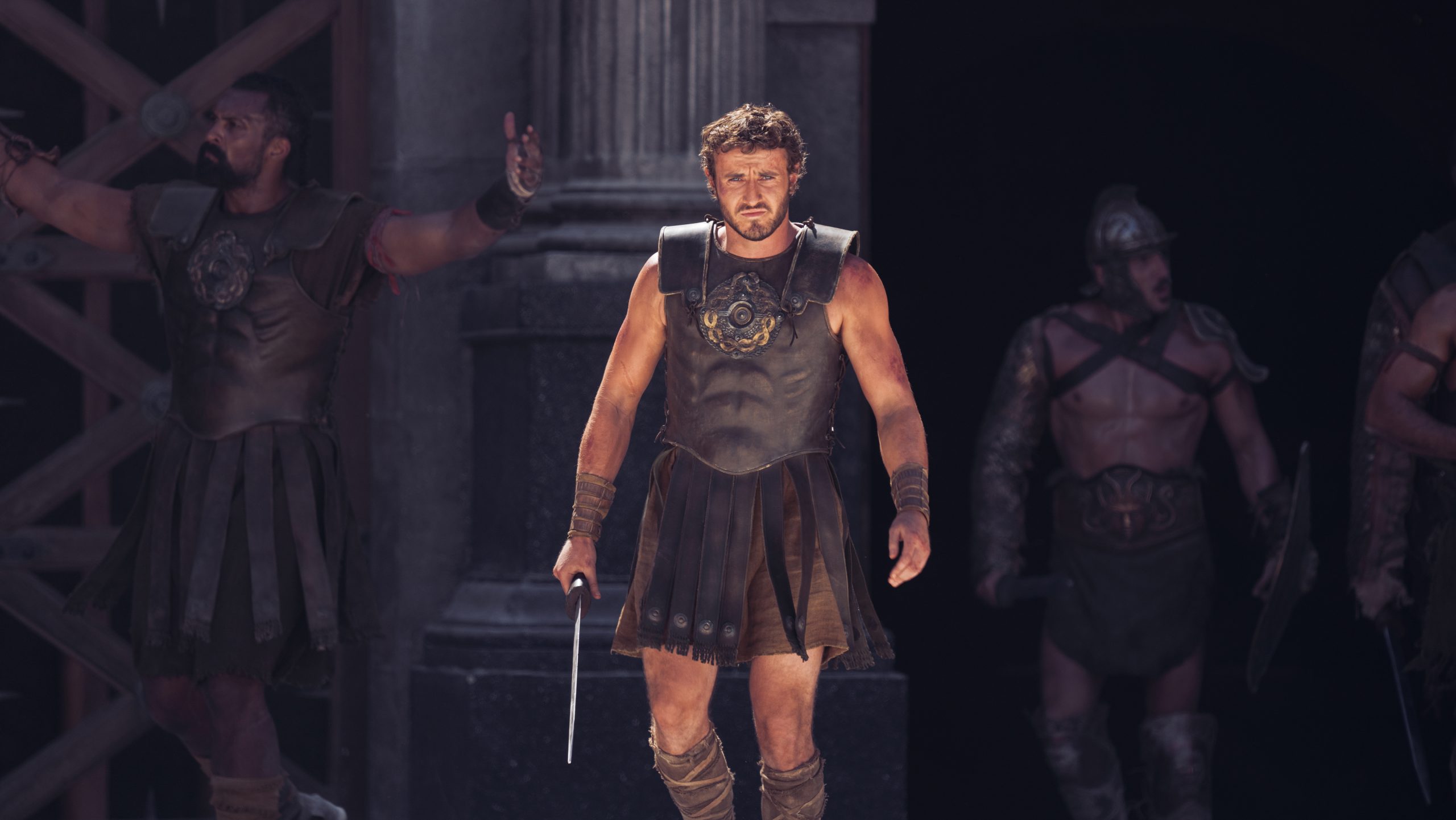
Taking place over two decades after the gladiator Maximus defeated Emperor Commodus in the Colosseum, we now see a Rome lorded over by Emperors Geta (Joseph Quinn) and Caracalla (Fred Hechinger), twin brothers who are far from popular with the people. No matter, however, as they have pushed their armies, led by General Marcus Acacius (Pedro Pascal), to invade neighboring lands, leading to a battle with Numidia. Paul Mescal’s Lucius (living under a false name for a time) is a part of this battle, and he’s not only defeated but robbed of his life as well. Now under captivity and forced to fight as a gladiator under Macrinus (Denzel Washington), an arms dealer with his own intentions regarding the leadership of Rome, Lucius looks to have vengeance while possibly realizing his own unexpected destiny.
See Also: ‘Emilia Pérez’ Review: A Modern Affirming Opera
Written by David Scarpa, who collaborated with Scott on All the Money in the World and Napoleon, if one believes the story presented here has more than a little in common with the first film, they are not necessarily wrong. Gladiator movies, in general, only offer so much in the kinds of stories they can tell – do great in battle, rise up, inspire the people, revolution, etc. Still, it at least seems as though Scott knew he couldn’t rest this film entirely on a towering heroic performance like what he had with Crowe in his Oscar-winning take on Maximus. So, instead, we get a bit of a pivot rooted more in the motivations of all the main players involved, leading to various complexities in motivations, desires, and schemes.
Mescal equips himself well with the sort of haunted honor he’s going for. Playing a character lost in his emotions regarding how to get back what was taken from him in both his past and present, Mescal does a lot with a relatively thin character compared to a couple others, yet must have so much of the film rest on his shoulders. This being the first major studio film Mescal has had to carry, following his various indie efforts, he makes for a fine action star in a movie designed to at least make one think there’s more importance to what’s actually going on.
Similarly, Pascal only has so much going on with his role. As a general who trained under Maximus and is now married to Lucilla (a returning Connie Nielsen), the mother to Lucius, the way conflict arises for Marcus is interesting in so much as the film gets more mileage out of the political intrigue this time around because of how oddly relevant everything feels. Playing a dissatisfied general serving under blonde buffoons who consider themselves second only to God, and will complain and stomp over anyone attempting to get in their way, watching Marcus navigate a dangerous arena where he must hide his disdain while secretly plotting a more democratic solution provides some nice heft. Plus, seeing his actual skill with the sword compared to the witty brawler that Lucius portrays adds some interesting dynamics to the physical prowess of these two.
Looking closer at the modern analogs, however, the first film was strangely prescient, as it dealt with a spoiled emperor coming into power, following his more respected father, and enacting war games that were popular with many of his people. So, to follow that up, I can’t say Quinn and Hechinger are tremendous additions as these ridiculous co-emperors. However, in playing these hammy emperor roles, not unlike Joaquin Phoenix, there’s a silliness that makes one hope other forces are at play to establish stakes one can take seriously.
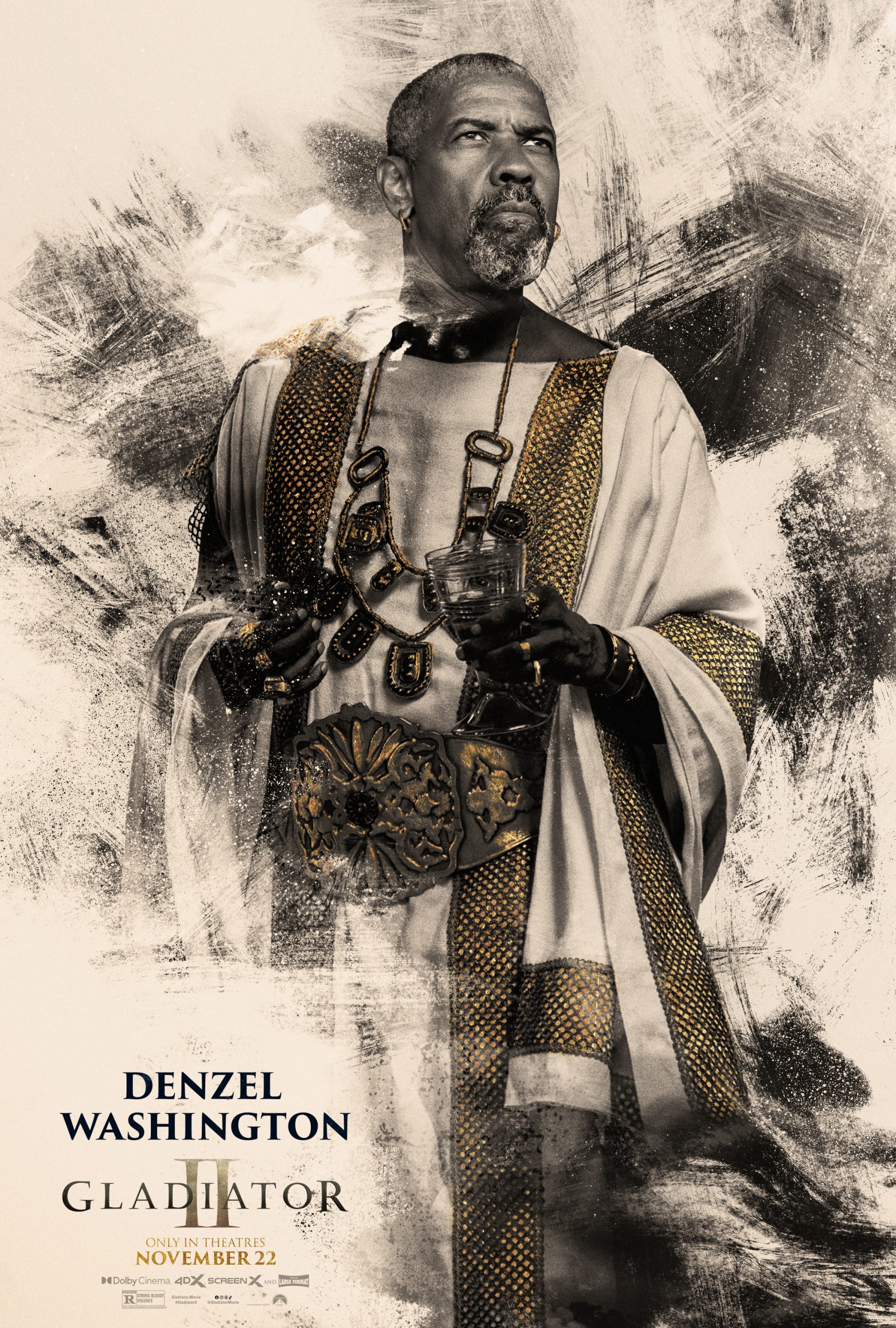
This is where Washington comes in, giving what is by far Gladiator II’s best performance. Not that this is all that surprising, but he’s playing a snake in the grass, waiting for proper moments to strike, and does so while gleefully taking over his scenes. Whether that’s rooted in Macrinus’ charms, his style, or clear sense of authority, Washington fully embodies what this man is supposed to represent. He imbues Macrinus with enough to suggest plenty about where he comes from and is not above leaning back at times to better serve those he’s sharing scenes with. Naturally, however, there’s an imposing nature that comes with this character and a danger that the film wants audiences to keep in mind.
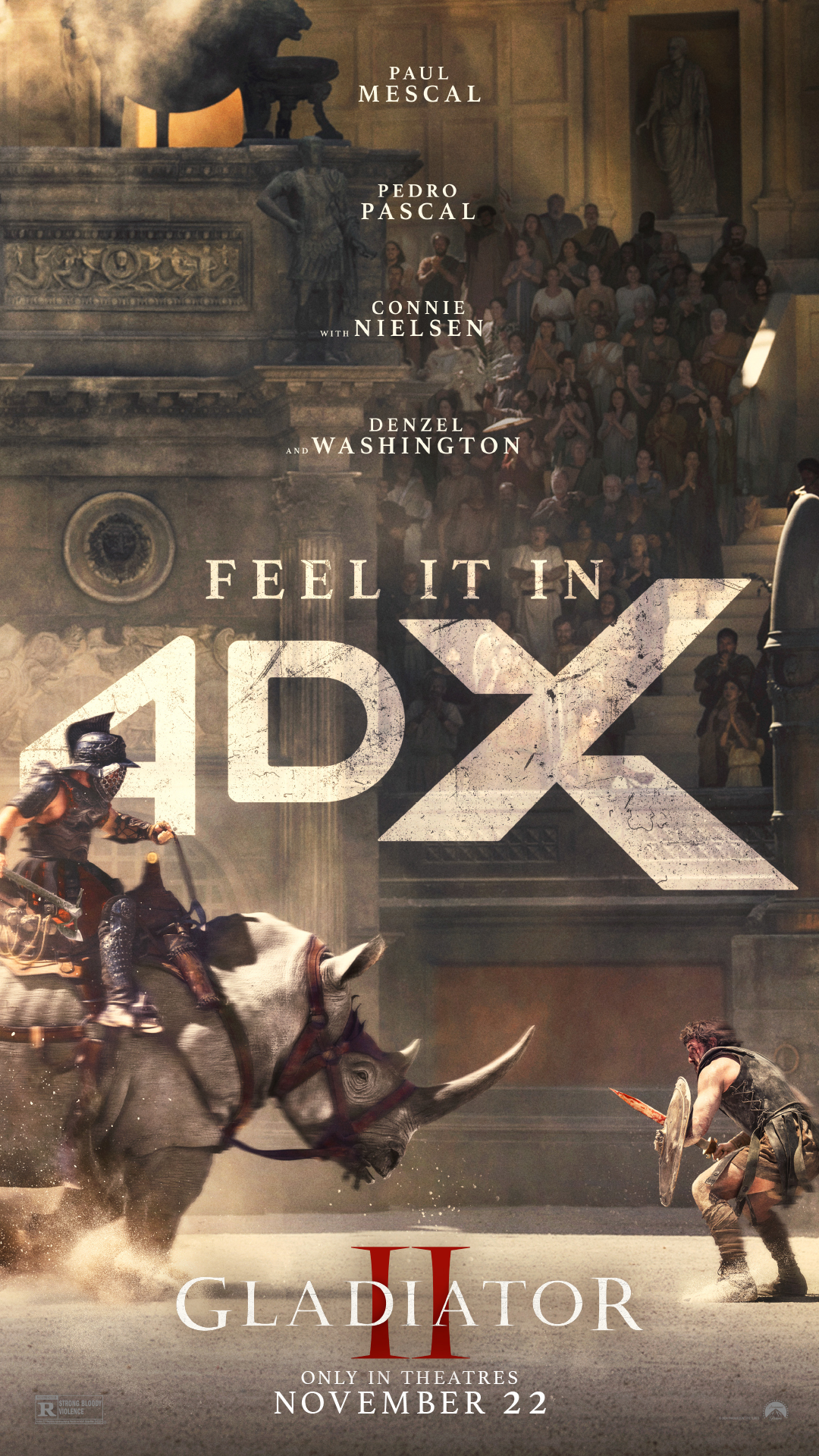
This sort of playfulness allows the film to shine best when not focused on the epic-sized action. Of course, when we drop all the backdoor scheming and politics and settle into the battles, Gladiator II does all it can to satisfy. This film features naval battles, arena fights, naval battles in the arena (based on actual fact), fiery sieges, indoor wrestling matches to the death, and even a rhinoceros encounter for good measure. Suppose I’m already of the mind that sword and sandal epics must be inherently a little absurd to work, well. In that case, there are few better than Ridley Scott to let me know he gets it too, as he allows his abilities as a filmmaker to shine, knowing these battle scenes are designed to get an audience’s blood pumping.
That said, and with the caveat that I don’t hold Gladiator all that high in the realm of Oscar-winning features (it’s a solid and very entertaining Summer blockbuster at best), there was a good portion that had me more compelled by the various relationships established, as the routes to success became somewhat blurry. Having complexities emerge due to a more substantial reliance on an ensemble cast instead of one individual made me more willing to embrace things at stake, and see two sides to specific battles that would occur.
If anything, it’s unfortunate that much of the third act throws so much of what was working out the window for a more conventional action-based finale that’s not unexpected but still lacking in the power that was at least upheld by Crowe’s commanding performance in the previous movie. I don’t necessarily have to keep calling on the other film. Still, there’s no real point in avoiding it, as Gladiator II certainly doesn’t try to. Fortunately, even after Lucius embraces his backstory more head-on, it doesn’t feel like it’s using its predecessor as a crutch. Instead, there’s clearly an attempt to make this film feel like a natural next chapter (with Scott already developing a third).

It should also go without saying that Scott gets great people to work on his films, so it’s no shock to see so much lavish filmmaking on display. Whether it’s the costume and production design or the use of sound and visual effects, there’s a great sense of scale on display to once again show off the effort that has gone in to recreate ancient Rome. With the added sense of Shakespearean-level drama in place, I would even say more effort has gone into delivering a mood that shifts during our visits to areas such as the emperor’s chambers or council meetings.
Gladiator II has plenty working in its favor as a successful historical action movie that happens to think highly of itself regarding the Roman Empire. Much like the first film, any real attempt to dig into its political aspirations falls apart for me (this continued idea that Emperor Marcus Aurelius wanted to give the Roman government back to the people is ludicrous, so seeing that continue to serve as a central point here had me chucking to myself). Still, it does allow for entertaining depictions of backdoor dealings and the undercutting of those in power on a more effective level. That said, this movie lives for its gloriously violent battle scenes, which truly deliver. On top of that, Mescal, Pascal, and especially Washington put in excellent work to make this endeavor shine. Gladiator II may not be the true ruler of legacy sequels, but it is well-suited to battling it out in the cinematic arena.
Gladiator II opens in theaters and IMAX on November 22, 2024.