
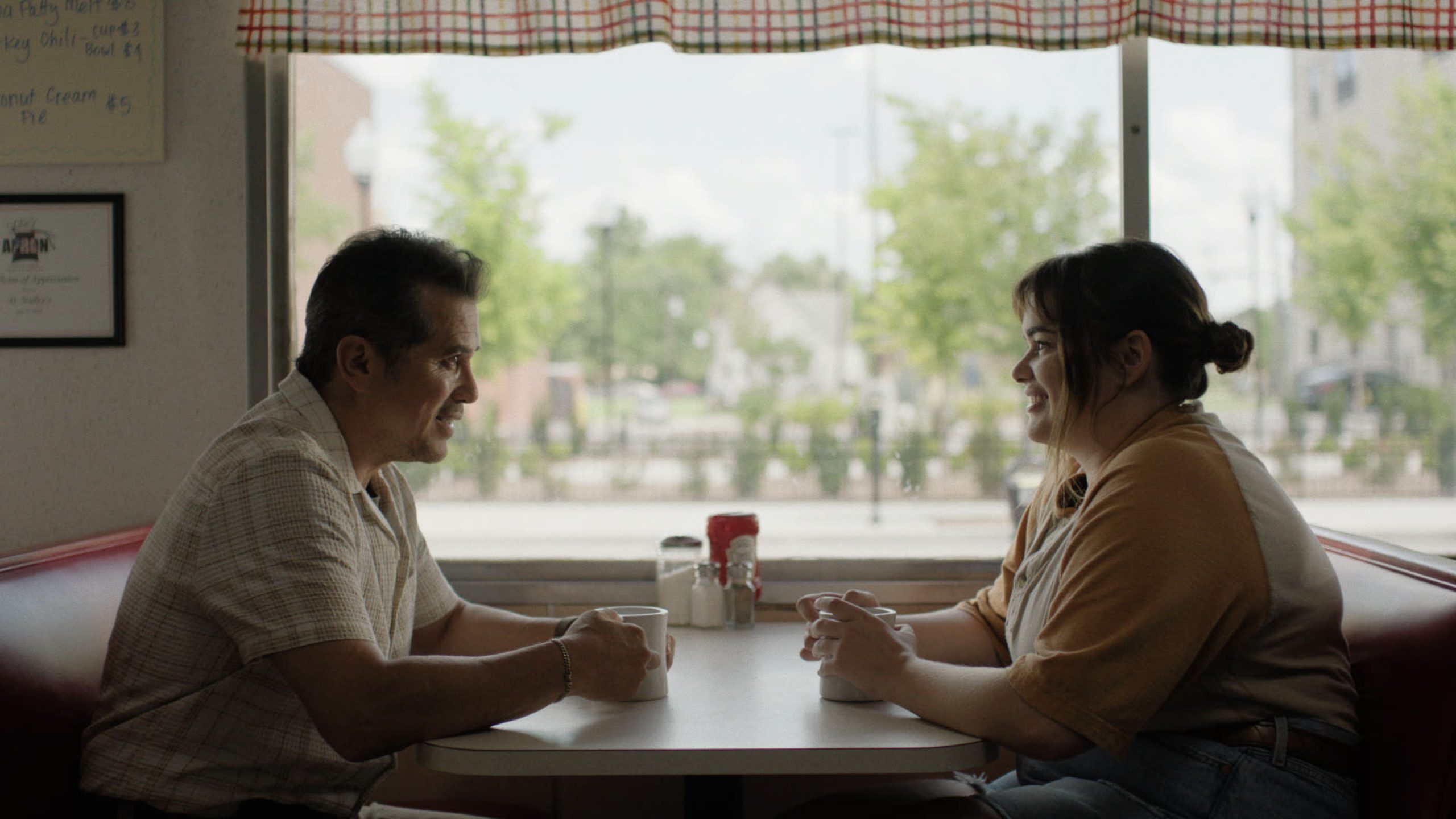
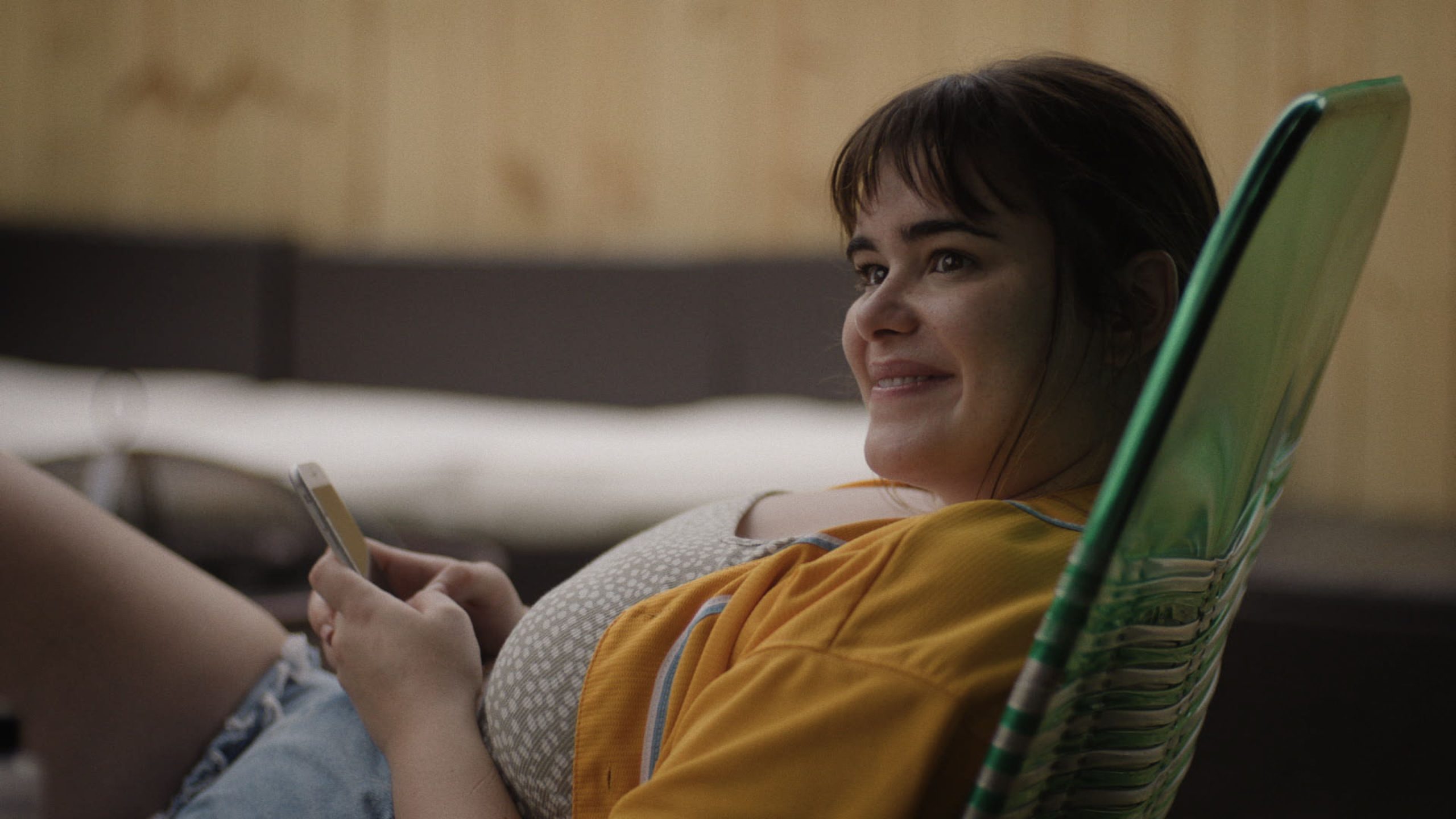
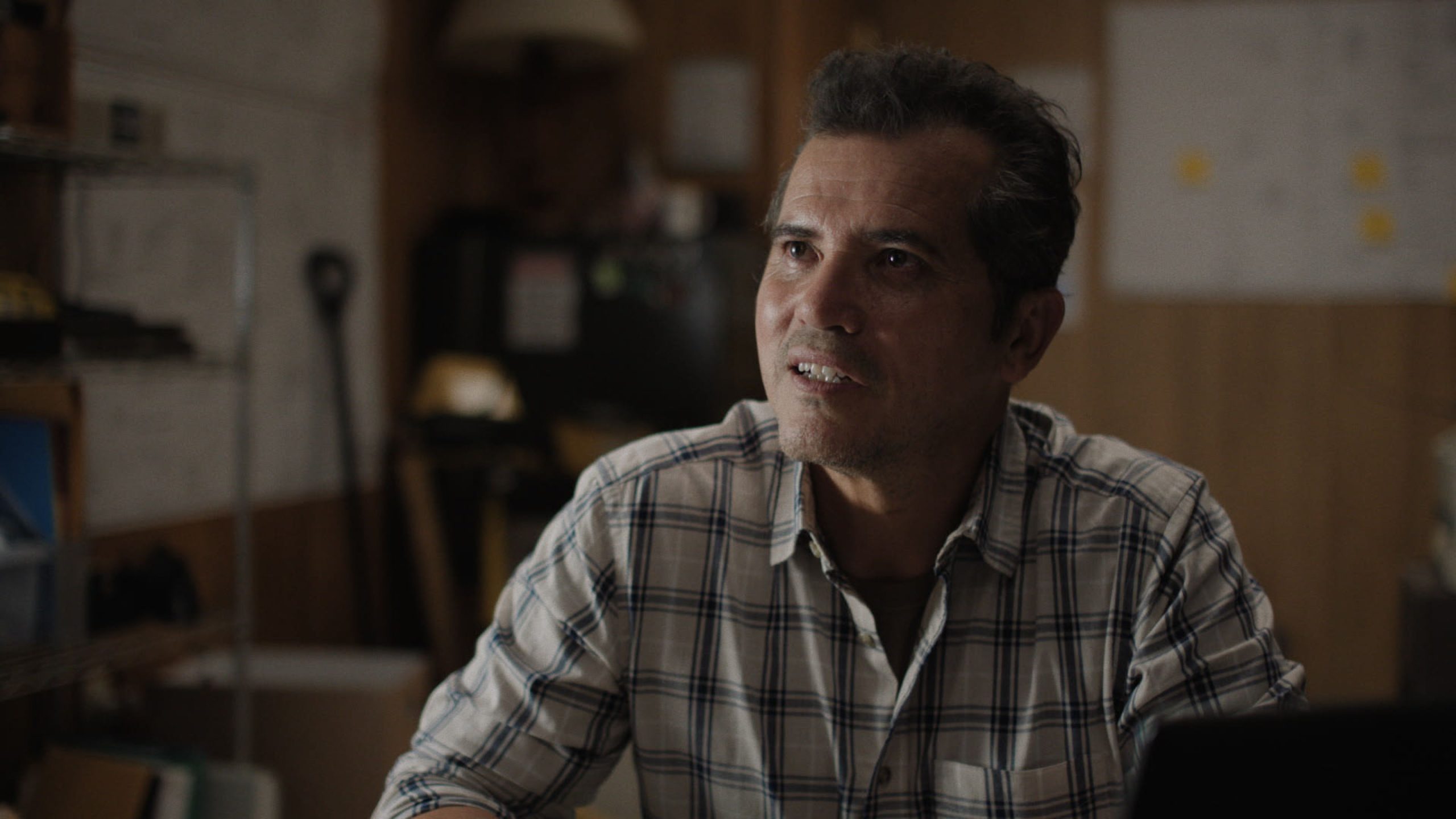
Following a film festival run that began at SXSW 2024, Bob Trevino Likes It made its way to theaters this past March, accompanied by rave reviews and 13 audience awards. In the film, Euphoria’s Barbie Ferreira stars as Lily Trevino, a lonely woman who “friends” a man on social media she believes is her father, Robert (French Stewart). Anxious to reconnect after a falling-out, she instead finds Bob Trevino (John Leguizamo). Bob discerns Lily needs a friend as much as he does, and their growing connection becomes a vital source of healing for both.
This is the feature-length debut from writer/director Tracie Laymon. While Laymon got her start in short films and music videos, given the nature of this story, which is loosely based on actual events, it proved to be the right opportunity to transition into short films.
The following is a brief discussion I had with Laymon, where we discussed the value of shorts and what it was like moving into features, the collaborative nature of working on big projects, and the journey of healing through filmmaking.
[The following has been edited for clarity.]
Aaron Neuwirth: I want to say right off the bat that I really like this movie a lot. I don’t do interviews very often, and I only like to do them when I really like the movie, so I’m happy to speak with you.
Tracie Laymon: Well, thank you very much.
AN: So, you’ve made a lot of short films, and I was wondering, was the plan to always kind of get into features, or was it just that the nature of this story made more sense for you to do it as a feature film?
Laymon: It was. I always wanted to do a feature, but I kept trying to do other ones. They weren’t really going, or they’d get set up and then they’d get cast and not happen, or things like that. The fact that I had to make this one is… I think it takes somebody being like, I have to do this for an indie to get made, because it certainly doesn’t happen, you know? There are so many obstacles, and it takes a village. So, this was the one, because my “why” was so clear. I wasn’t going to be okay in life if I didn’t tell this story. I think a lot of first features, I feel like they’re that personal.
AN: That was my next question. I don’t necessarily need all the details regarding the actual reality of the situation, but did you see that this was just a story you realized needed to be fleshed out more to work as a feature film?
Laymon: Yeah. I mean, there was. The real story is that, you know, my dad was upset with me and wouldn’t call me back, wouldn’t email me back, and I put his name into Facebook and accidentally friended another man with his name who ended up being kinder to me and more paternal to me than my dad was being at that time. That said, the real story is nine years over the internet, so that doesn’t make a great movie. Nobody wants to watch two people talk to each other on the internet for nine years.
So, what I would do is add emotional truth from my experience or the experience of people that I love to every scene in the film, and then I fictionalized the sequences around that, because I realized it doesn’t have to be exactly how it happened. In fact, it shouldn’t really be like that, exactly, you know, because it is a work of fiction. But how do I take the emotional truth, the heart, the journey, the trauma, and the healing, and show that to the audience? What’s the best way to show that? So, that’s what I did.
See Also: ‘Friendship’ Review: Bad Bonds, Hilarious Results
AN: What was the biggest challenge for moving from shorts into features?
Laymon: It’s funny because it was like our third or fourth day of shooting, and I was like, “Oh, we still have a long way to go.” Because with shorts, it was like, “Oh, we’re done.” We did it in about two or three days. So, you just have to take really good care of yourself, because, you know, directing a feature is so stressful, and that’s just par for the course. That’s normal, you know. But if you know, you can get through a few days and not get enough sleep or something, it’s fine, but you actually have to eat well and take care of yourself.
 Maybe I did some mindfulness classes before this. I highly recommend that, because you know, whether it’s your first indie or your like, 10th studio film, you’re going to be faced with a lot of obstacles. So, knowing how to deal with those obstacles helped with the stress. And then there were other challenges, which I feel like our team handled it great.
I definitely feel like I rose to the challenge, but, you know, you shoot out of order, and it’s easier to keep track of that when it’s just a few days. When you start changing things in a feature, you know, you have to think every day about everything else that could change if you make that change.
Luckily, maybe coming from being a writer, I was used to tracking changes and looking at everything. But I think that’s something that helps with preserving the tone. Plus, for me, I was very protective of the innocence of this relationship. Those are things that I had to keep tracking, even on the hard days.
AN: I have a lot of respect for shorts, and that’s why I keep asking things on that side, because I never want to say, like, “You know, you were merely toiling in shorts just so you can move up big leagues,” because they’re both distinct entities that deserve the same kind of respect.
Laymon: Shorts are so important. I never could have done this feature without shorts. I was building muscles with those shorts that allowed me to do this feature. And a lot of people like John Leguizamo’s Manager, said, “Let me see your shorts.” So, I’m not sure if he was going to give John the script, and if he didn’t see that, maybe I couldn’t direct something. So, I don’t think it’s necessarily all about building to something. I have great respect for shorts as an art form in itself. That said, they’re also helping you develop your filmmaking muscles through challenges.
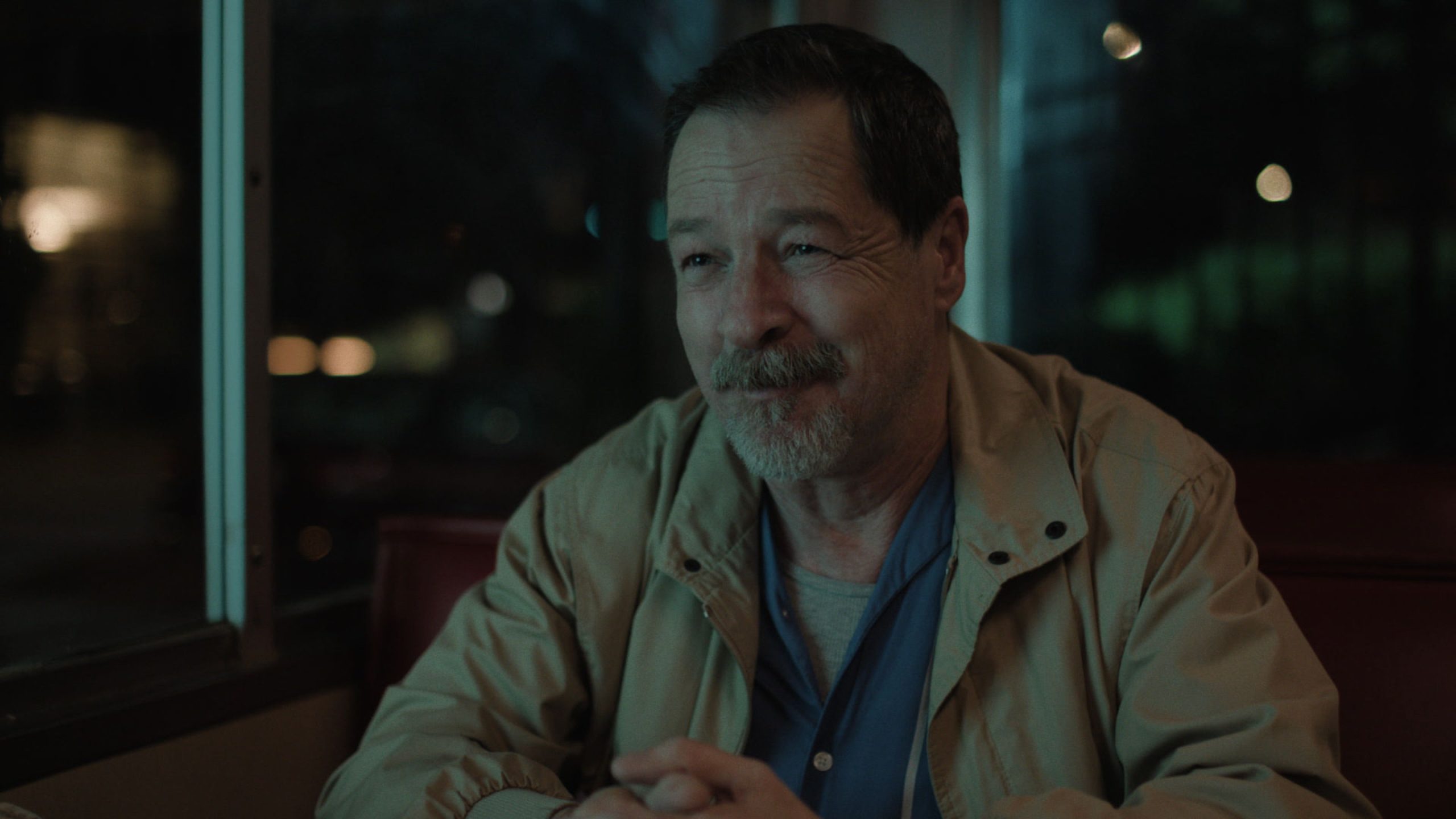
AN: I want to talk about the casting a bit. You have this great set of actors here, and each one nails the character they’re playing. Some I wouldn’t necessarily expect, like French Stewart, who is here, and it’s not something I typically associate with him. And there’s also Leguizamo, who’s playing a more sensitive and tender character than you usually see. What was the process like for finding these individuals?
Laymon: Yeah, and there’s also Barbie coming from Euphoria? It’s very different. I guess one of my assets as a director, I think, is that I don’t see people in boxes, and I don’t project onto people. I just want to see them for who they are. You know, I saw in all three of those actors and those human beings that I saw more than I was being shown in the roles that maybe I had seen from them. Sometimes you cast again against type, and it’s not who the people are. So, it doesn’t work. But sometimes you cast against type, and it’s an opportunity for audiences to see these people in a whole new way and open up doors for them that they absolutely deserve. These are three incredible human beings, incredible artists. That also includes Lolo Spencer and Rachel Bay Jones, just beyond incredible, you know.
Casting directors have told me I do more work than any other director before we make an offer. And I don’t know if that’s a compliment, but I’m going to take it as one, you know, because I don’t believe in these lists. I understand we have to have them, but to me, there’s one person meant to play every role that I write. And I feel like I got those people for this film, and I’m just so happy they that I was able to see them, and that they were able to see me, and then we did this together. So, yeah, I think, like, I can just say to other filmmakers, “Look, don’t look at what they’ve already done necessarily, look at what you see under the surface that they aren’t getting an opportunity to do.”
It’s been really wonderful and beautiful to see audiences respond. And maybe John’s fans don’t necessarily know about Barbie, and Barbie’s fans don’t necessarily know about John. So, you also have this intergenerational, incredible appreciation thing going on, which mirrors the movie.

AN: So, I have one more question: Without spoiling things, the movie ends on a bittersweet note. On the one hand, it’s quite sad. Still, it’s also very, shall I say, emotionally satisfying. Given the film’s positive reception, when did you know that you’ve accomplished what you were going for as far as how you concluded this story?
Laymon: Oh my gosh. Well, I’m extremely hard on myself to a fault. I’m working on this, but I actually didn’t know. I didn’t even have a clue until the seventh test screening. I thought I had let everybody down. I mean, this is, this is obviously not the way it should be. And I’m working on this, you know, but I’m so detail-oriented. I was like, “Is it working? Are we honoring everything?” And by the seventh test screening, we had changed some scenes around. I had done that final push with some tweaks that really mattered. And I was watching the test, which was with 50 people or so, and they were sobbing and laughing, and I was like, “We did it!”
I just felt this kind of release of the stuff I had been carrying for so long, you know. And I have felt stages of that at every single screening that I’ve gone to since then, where someone says, “I can relate to this,” or “Thank you for being this honest,” or they relate to our incredible cast, or they see themselves in the story. And so, my story became our story. And when I used to hold on to my trauma and be like, “No, this is mine. I went through this,” but now it’s like, “No, I went through this, and other people went through this, and we get to heal together.” We get to heal through laughter. We get to heal through the tears. So now it just makes me all lit up to do the next one, because the healing feels great, but it doesn’t end. I thought it ended. It doesn’t end. So, it’s a lifelong journey.
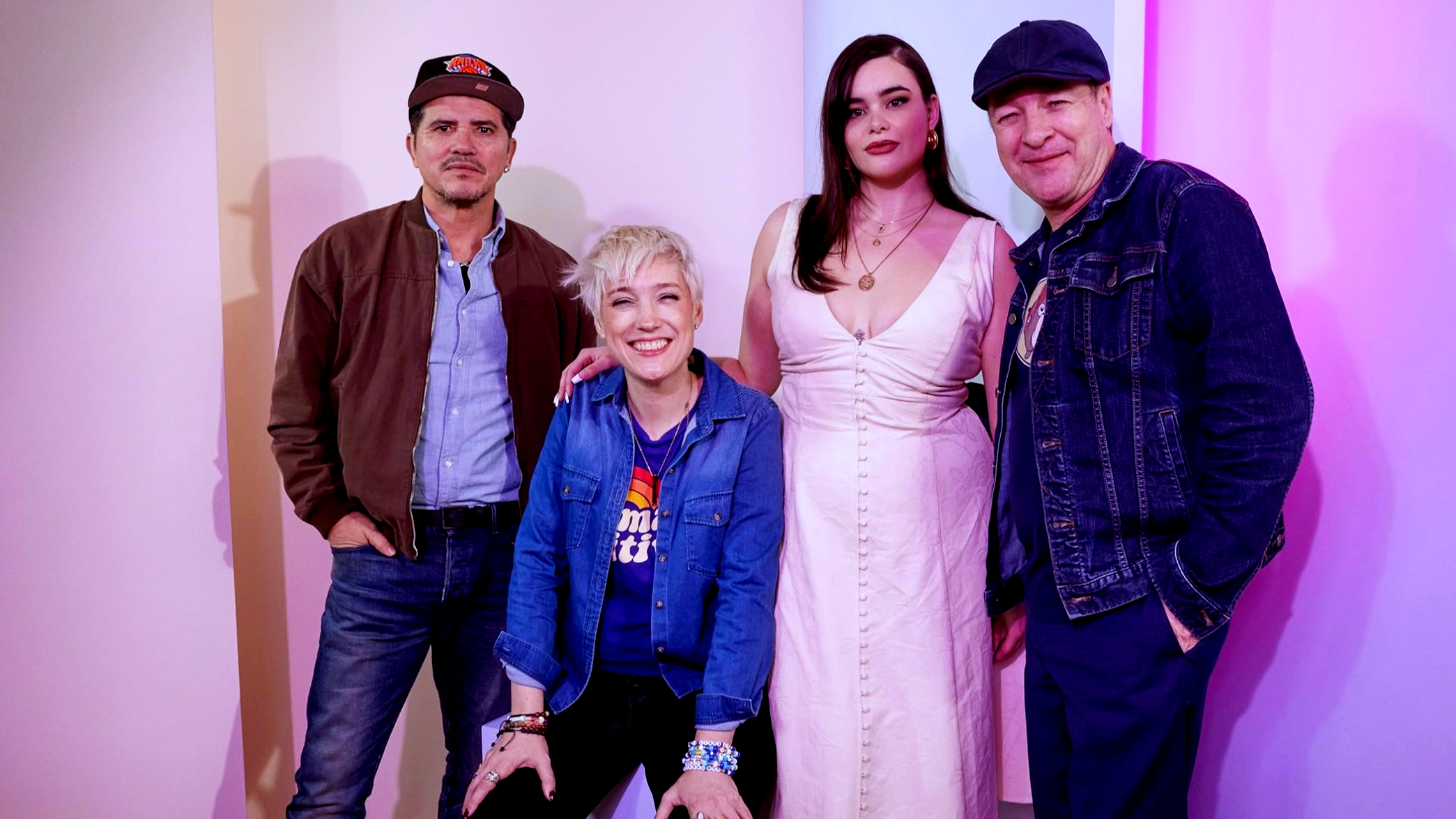
AN: Well, I’m excited about what’s next. I can certainly relate to aspects of the film. And, yeah, it’s one thing to make an audience member sad just because something sad happens, but it’s another thing to get to them because of that emotional satisfaction that comes from by way of proper storytelling, and this film wrecked me in the right ways, and I very much appreciate it. And I’ve certainly been, I’ve been recommending this movie to everyone, because I think it’s really great.
Laymon: Well, thank you for that!
AN: Thank you for the film! I appreciate the time, and thanks again for speaking with me.
Laymon: Oh, thank you. I wish you the best, and I hope I get to talk to you again.
Bob Trevino Likes It is now available to rent on VOD.


