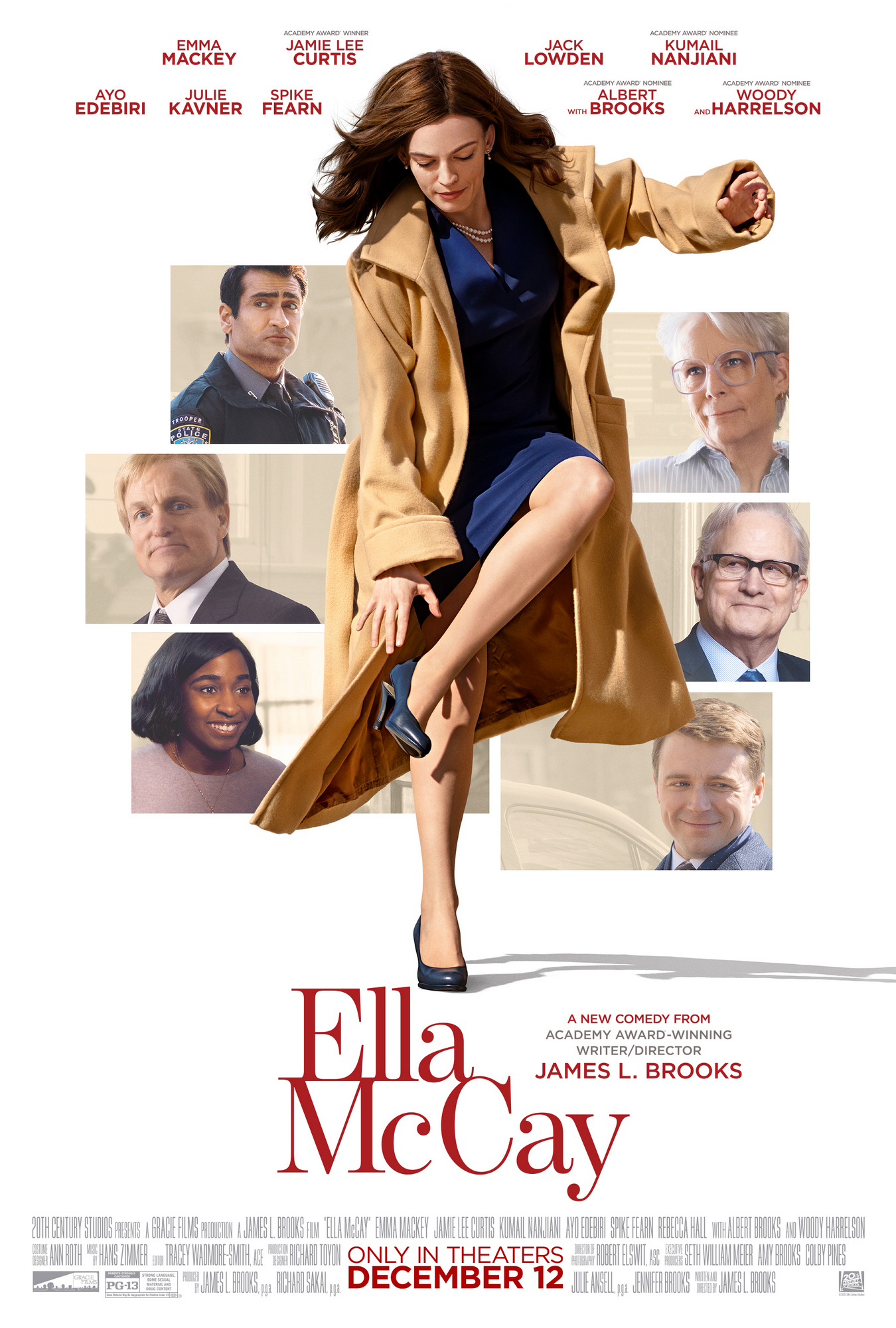
It would be nice to believe that meaning well is good enough, but here we have Ella McCay, a miss of a comedy-drama attempting to blend lightweight political strife with the familiar issues of a hard-working family. Coming from writer/director James L. Brooks, one does have the hopes that such an acclaimed filmmaker, even one delivering their first film in 15 years following a notable flop, would be able to conjure up something exciting, given the evolution in our political, cultural, and social avenues during that amount of time. Alas, it’s hard not to feel as though the 85-year-old director ends up seeming a bit out of his depth as far as crafting a more meaningful story, let alone one so directly focused on the plight of a young, female lieutenant governor.
A brief prologue lets us in on the backstory, and Julie Kavner narrates it, because, I guess, if we needed an info dump, it may as well be told by Marge Simpson. Essentially, Ella (Emma Mackey) and her younger brother, Casey, are forced to reckon with a broken family after it is revealed their father (Woody Harrelson) is a philanderer. Once their mom (Rebecca Hall) passes away, Ella ends up living with her aunt Helen (Jamie Lee Curtis), with the intention of growing into someone who could do a lot of good for the world. Cut to 2008: Ella is now an idealistic 34-year-old lieutenant governor on the verge of promotion, thanks to her mentor’s (Albert Brooks) own elevation in status. Naturally, this transition isn’t easy once a variety of discoveries are made that seek to make things miserable for the one person who wants to help everyone.
See Also: ‘Marty Supreme’ Review: Breathtaking, Blind Confidence Builds To A Smash
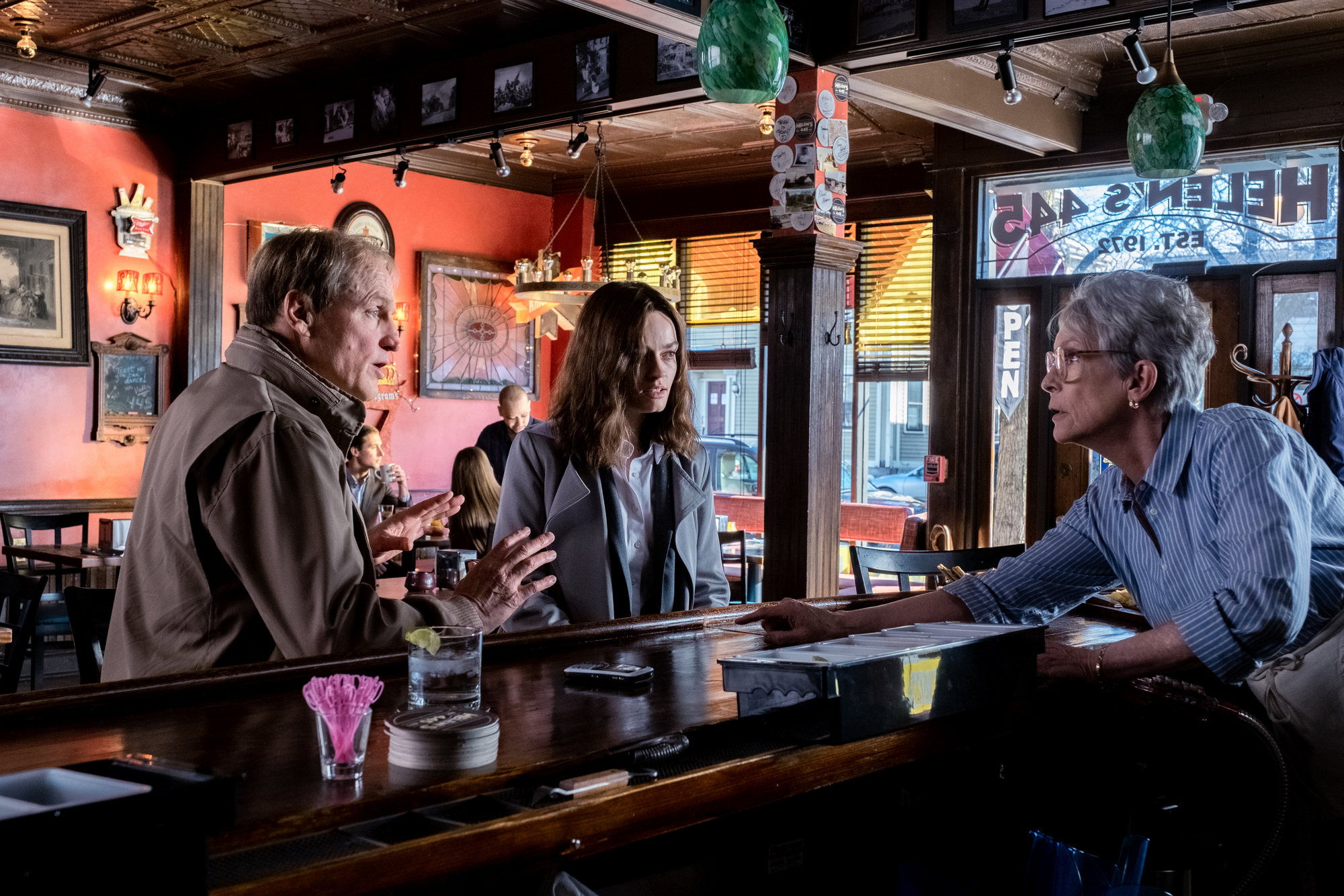
This movie so clearly wants to champion the abilities of Mackey that it’s a shame it gets twisted up in subplots and storylines that hardly feel fresh. Whether it’s Washington D.C.-related scandals, affairs, daddy issues, other familiar strife, or two-faced politicians, it’s not as though the film is lacking in ways to challenge our lead. Still, it ends up becoming a chore to try and follow, let alone something of a checklist of all the ways Brooks can prove he’s there to show us he’s highly in favor of strong female characters. There’s nothing at all wrong with this, but when having so many details ends up leveling out the tone to the point of it feeling somewhat weightless, the dramatic urgency becomes lost.
With that in mind, the film has a timing issue, along with a couple of plot contrivances. Given the Ella character, we have to believe in a few things about the types of activities she would participate in, let alone her choice of partner, which never really goes smoothly. On top of that, the film itself feels as though it lacks teeth, given that it’s a relatively recent period piece. It honestly feels like the “easier to write a film at a time without cellphones” excuse by positioning the story around a far less divisive time in our political history (relatively speaking). As a result, it’s able to get around the possibility of insulting anyone by having to deal with any form of depiction of America’s current fascist-adjacent leader, yet also seeming like a copout as far as really showing us what sort of grit Ella truly has (nevermind what could seen as whitewashing when it comes to considering who Ella could be inspired by in favor of, again, making everything all so much simpler for Brooks).
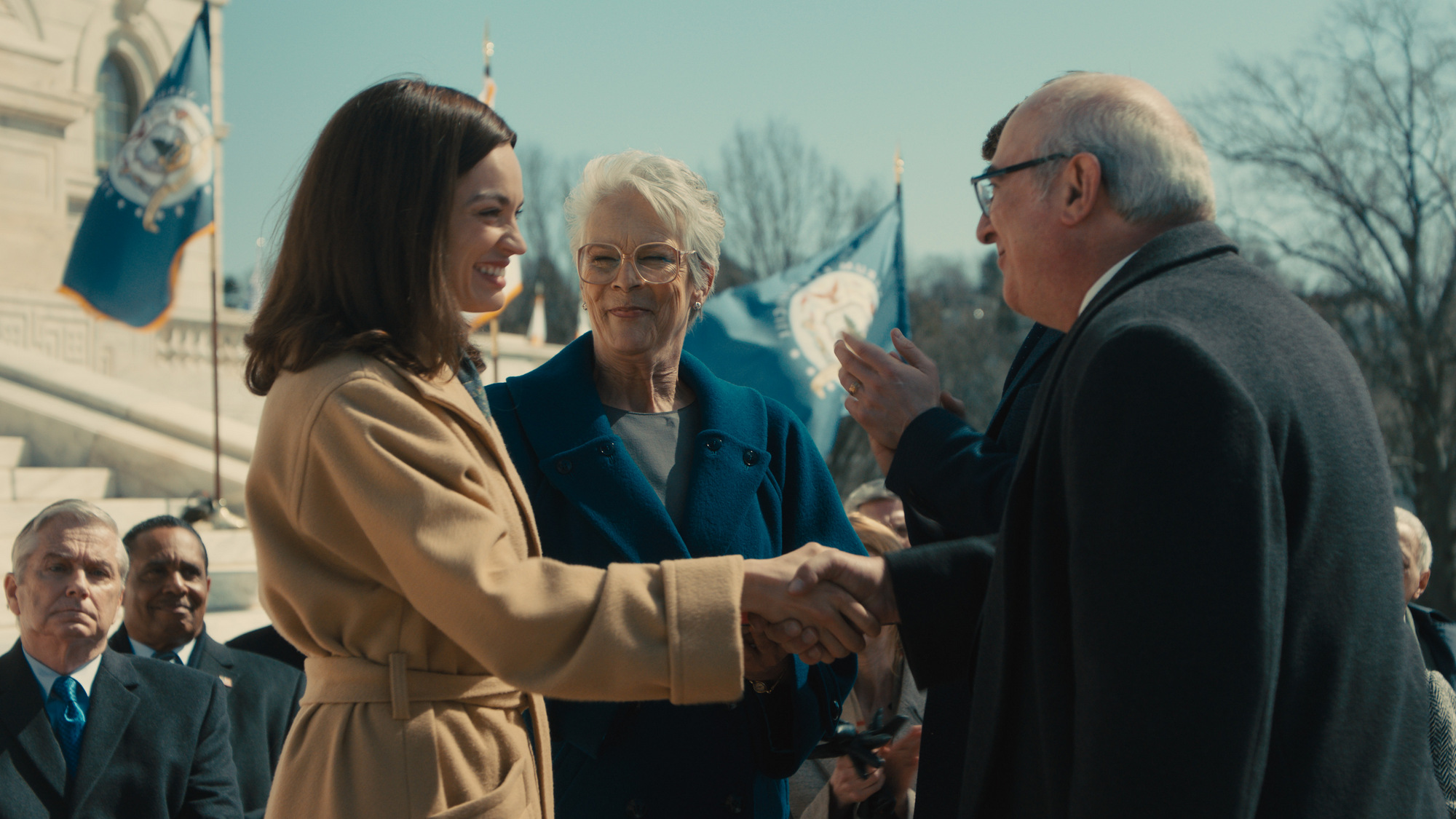
However, this is a Brooks film, which can often sweep past weightier ideas if the characters and dialogue snap into place. This is where the film disappointingly falters. We have plenty of dialogue-heavy scenes where things should be really cooking, and yet Ella McCay never quite feels like a terrific exercise in wordplay, as seen in films like Broadcast News or As Good as It Gets. Some of the players are just naturally able to deliver, like Albert Brooks, of course. Even Harrelson contends with his tired role the way he usually can with rascally charm. Otherwise, forced interactions from talented performers such as Kumail Nanjiani or Ayo Edebiri end up feeling like a letdown.
Mercifully, by not functioning as one of Brooks’ rom-com epics, the two-hour rundown at least allows the film to feel pretty light on its feet, as the story runs from one plotline to another. That said, is this the result of tinkering for the sake of getting to the point faster? Hard to tell. Fortunately, Mackey is bringing all that she can to Ella, as we want to see her get out of these challenging situations. But perhaps a cleanly shot film pretending to exist in a far more preferable time wasn’t the best way for this director to take a perspective on this person’s particular issues. Ella McCay may insist on showing the difficulties faced by professional women, but having an assortment of issues to work out from a filmmaker seemingly out of touch with how to take on modern times does the movie no favors.
Ella McCay opens in theaters on December 12, 2025.