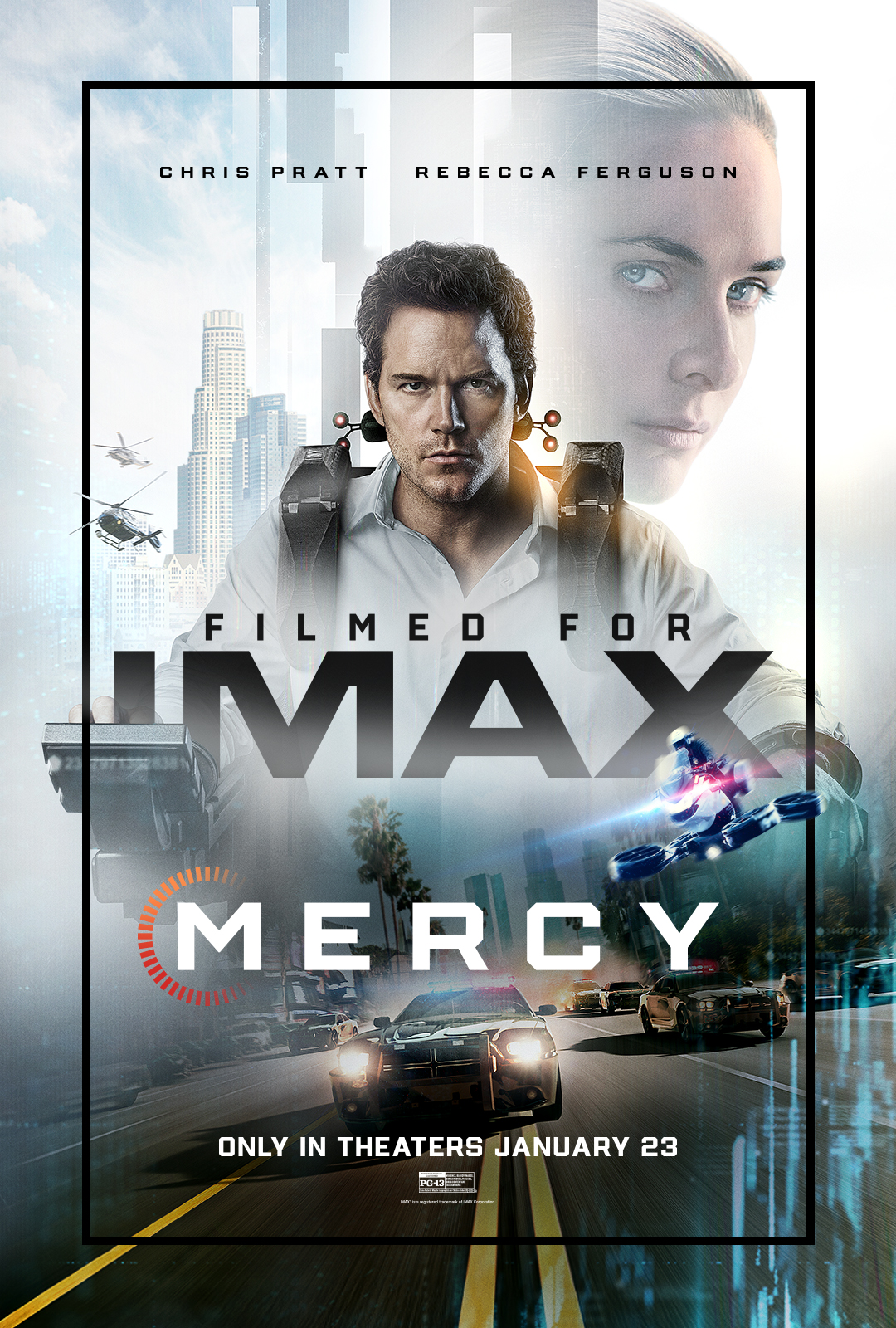
There’s hope to be found in these “real-time” thrillers, as they should at the very least not have to last any longer than needed. Having a purpose for creating an economic use of time should be a plus for high-concept action flicks that may be too overboard with their own premise. Mercy, sadly, doesn’t quite pull this off. A bumpy start that does too good a job of painting a bad picture of our hero is rectified by a very exciting and fun middle section, only to be undone by a generic and oddly problematic finale. The concept at play is realized well enough (solve the crime you’re accused of in 90 minutes or be executed), and those willing to check it out in 3D will get what they paid for. However, stripping away the bells and whistles leaves little to have mercy for.
Set in 2029 Los Angeles, this is a future where crime has overtaken so much of the city that a new AI-based system known as the Mercy program has been put in place to cut out everything but facts when it comes to violent criminals put into custody, and move them instantly to trial. This proceeding lasts 90 minutes, allowing the accused to attempt to prove their innocence before execution. Chris Pratt stars as Det. Chris Raven, who was an early supporter of Mercy, but wouldn’t you know it, he’s now been placed in the system, accused of murdering his wife (Annabelle Wallis). He’ll now have an hour and a half to figure out what really happened.
See Also: ‘Greenland 2: Migration’ Review: Some Comets Strike Twice
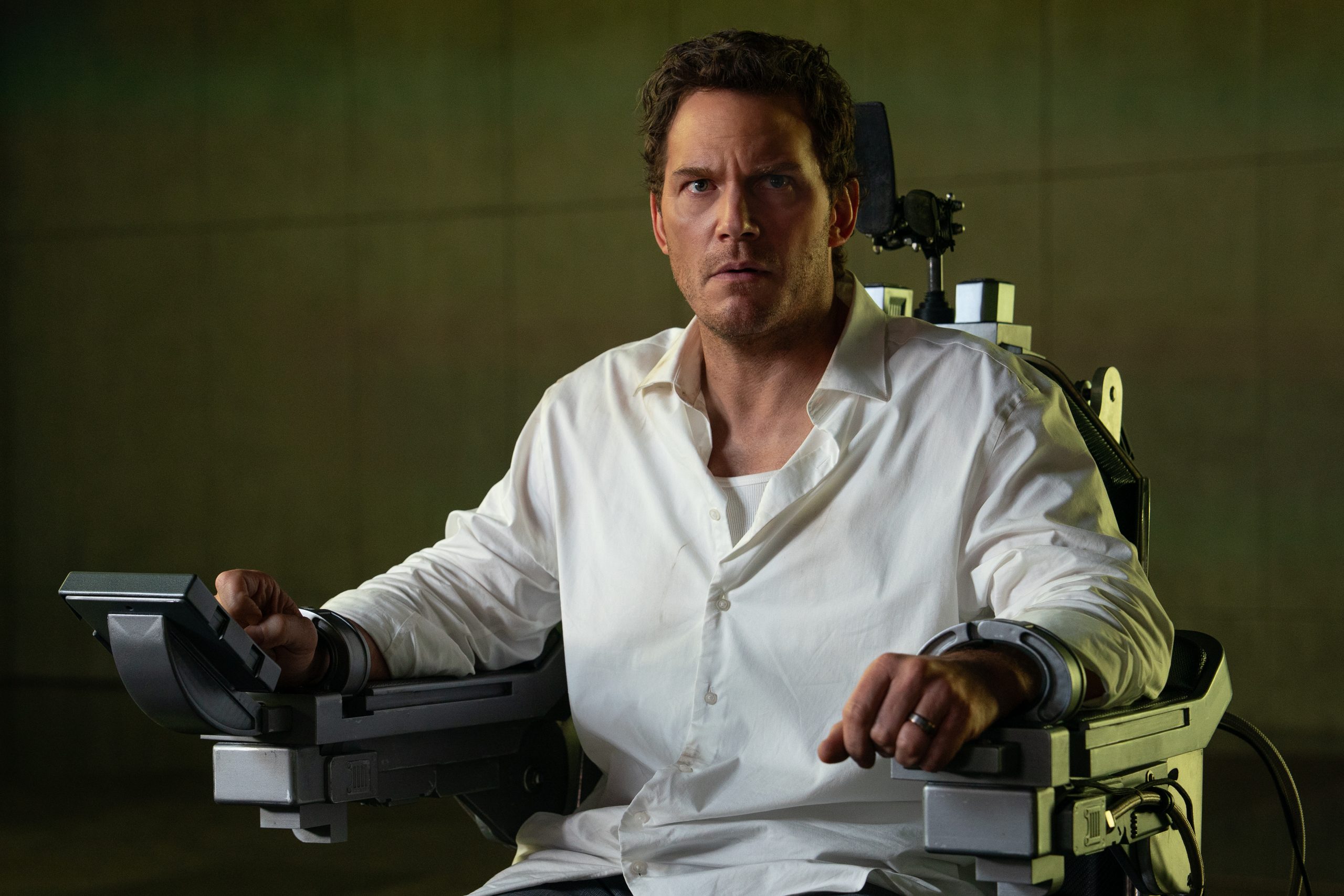
There are other details to round out the unique nature of Mercy. One is the film’s co-lead, Rebecca Ferguson, who is the face of the AI, named Judge Maddox. We also have to follow this film primarily from Pratt’s very specific location – strapped to a chair in Mercy headquarters. That means director Timur Bekmambetov (Wanted) is taking the screenlife genre a few steps further. Rather than limiting our point of view to a laptop screen, we are now in a virtual reality space where Chris can go through surveillance footage, phone recordings, real-time GPS systems, and any other form of tech (great for 3D), when we’re not cutting back to the emotional reads of Chris or the supposedly facts-only computer lady machine.
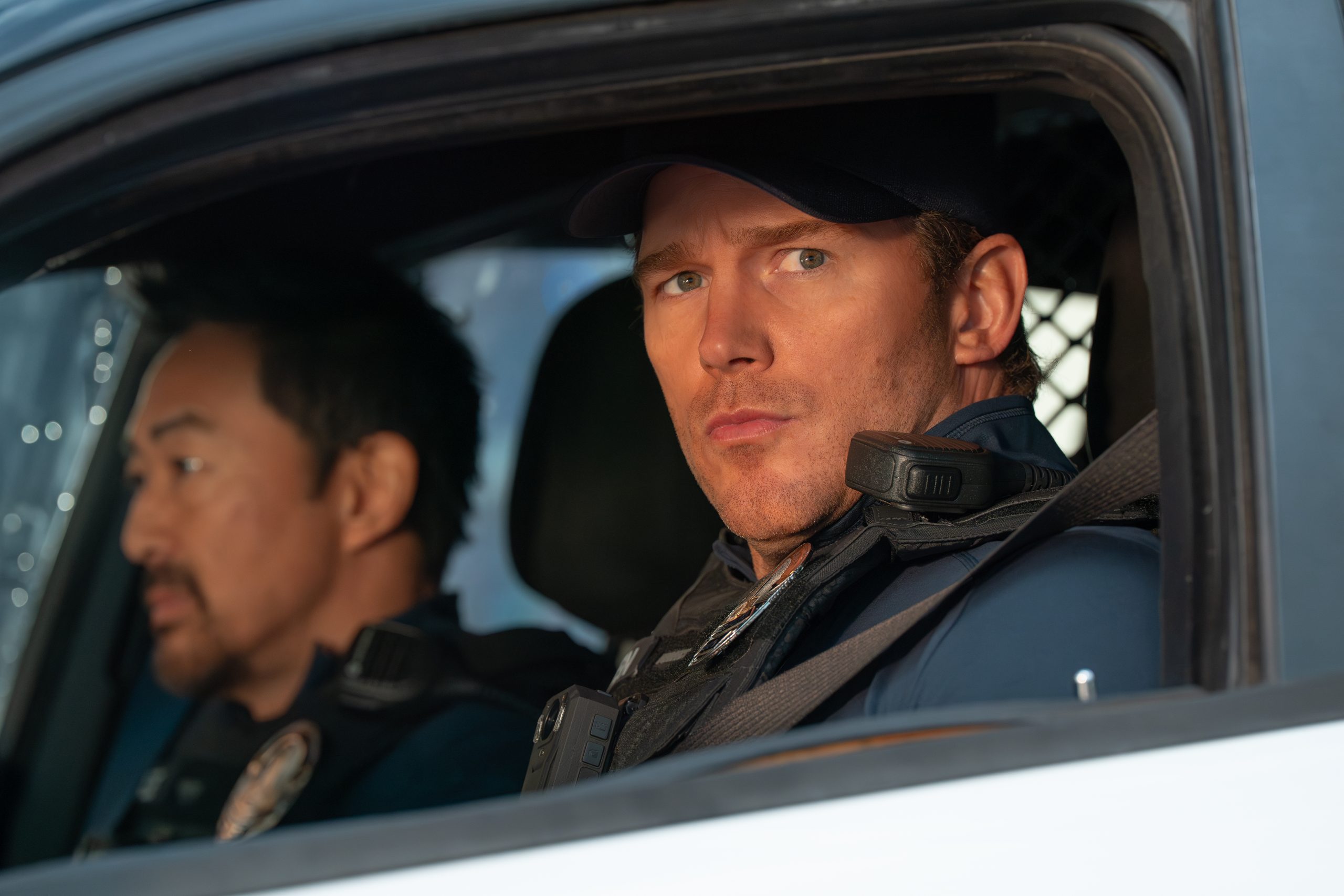
Oh, and this timeline also has police hover bikes flown by Chris’ partner, Jaq (True Detective: Night Country’s Kali Reis). It’s a convenient way for characters to get around quickly, given the time constraint. Plus, it’s frankly kind of cool to see in action.

That last point is why this movie may not ultimately come together all that well, but I’m also willing to accept that a casual moviegoer isn’t always looking for much when they can at least enjoy getting to see hoverbikes. There’s no reason to forgive the clear issues in Mercy, but for a throwaway high-concept sci-fi action thriller, there are more unforgivable issues than simply aiming for a far too conventional finale.
As noted, the middle section of this movie is quite strong. However, it does mean pushing through the opening, which tries to get the audience past all the questions that would likely come up in this situation, and setting the bar so low for Chris, who is revealed to be a bad husband with a drinking problem and anger issues. Sure, the movie needs the audience to rise to the challenge with the lead at their lowest, but it also shouldn’t nearly negate whether the truth matters.

That said, for this film’s logic, it gets through those minutes only to find a real groove during the investigation process. There’s a clear goal, eagerness in what’s being discovered, an acceptable level of humor, and a very clever use of production design to get across points in distinct ways. It would be hard not to think that this was the area writer Marco van Belle enjoyed putting together the most. The film presents suspects for Chris to consider, evidence to check, and additional details that may or may not reveal a new perspective, all while Ferguson tries to hold a blank stare and adjust his percentage of guilt.
It’s just a shame the film pretty much falls apart once all the cards are on the table. Whether or not one is familiar with certain cliches, even the actions taken in the film’s third act feel too overboard and unoriginal to find interesting in any real way. On top of this, Mercy is the kind of film that is fueled by one major murder, yet goes on to add an alarming number of casual deaths with the idea that there is an even bigger deal at stake, so those don’t really matter. And, to top it all off, just sheer optics end up taking the film’s whatever finale into an even more questionable territory. It may be an unforced error, but it certainly doesn’t help.
At the end of the day, no, cool hover bikes and an engaging use of the main premise don’t end up saving Mercy, even if I don’t begrudge those elements doing enough to please the TNT Friday night movie crowd. It’s not for a lack of effort; the movie is assembled in a complicated enough way to know plenty went into creating this world. Plus, Pratt works about as well as needed. The film just needed a few more trials with the screenplay before coming up with this form of a cinematic verdict to put forward.
Mercy opens in theaters and IMAX on January 23, 2026.